



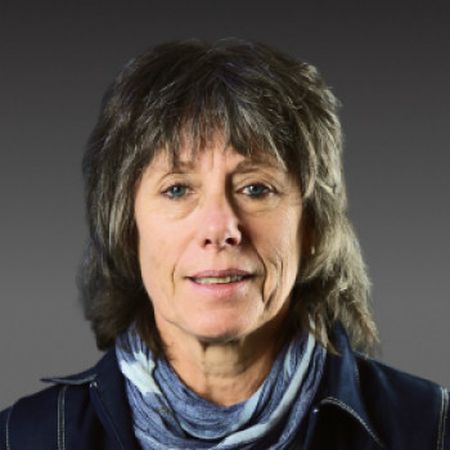
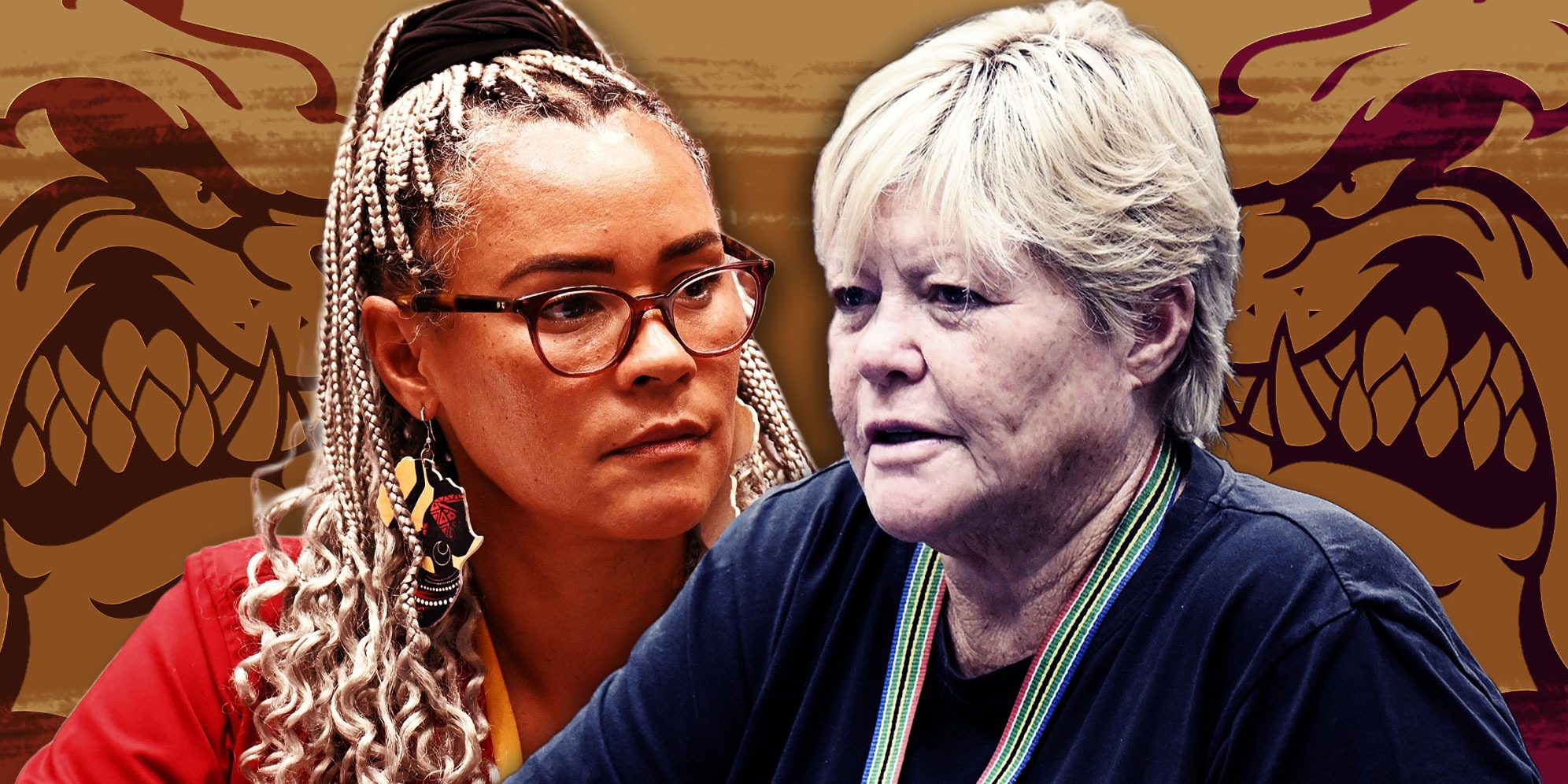
 Illustrative Image: MPs Leigh-Anne Mathys (EFF) and Glynis Breytenbach (DA). (Photo: Phando Jikelo / RSA Parliament) | (Bulldogs. (Image: iStock) | (By Daniella Lee Ming Yesca)
 /file/dailymaverick/wp-content/uploads/2025/10/label-analysis-2.jpg)
Last week, at this multiparty police committee of the 7th Government of National Unity (GNU) Parliament of South Africa, it was the turn of Economic Freedom Fighters (EFF) and Democratic Alliance (DA) MPs Leigh-Ann Mathys and advocate Glynnis Breytenbach to howl at each other across the void.
Breytenbach is a former NPA prosecutor and viewed as a bulldog of a cross-examiner who goes for the jugular – between popping wine gums – when needs be. Her short and sharp questioning of a be-shackled and be-Burberryied Cat Matlala, in Pretoria’s C-Max Kgosi Mampuru Prison in November last year, catapulted the Kimberley-born and bred advocate to the top of X’s “trending” for the day.
Read more: ‘Cele lied’ — Vusimuzi ‘Cat’ Matlala alleges he made R500K payoff to former police minister
Durban-born, Australia-educated Mathys, a founder member of the EFF and now veteran parliamentarian, like Breytenbach, gave as good as she got, and got as good as she gave in return. It was like verbal ping pong, people.
It all began early on Monday morning last week, just as members were settling into their seats, when Mathys spoke up, offering an apology for Julius Malema, who was absent.
Weaponised prosecution
She informed the sanguine committee chair, Soviet Lekganyane, that Malema was preparing for his appearance at the East London Magistrates’ Court that Friday and apologised for his lack of attendance.
Mathys was on a roll; you could tell by her pitch as she went on to speak of Malema’s “weaponised prosecution”.
Breytenbach, until then seated quietly behind Mathys, called out instinctively, “That’s not true, you are using this platform for incorrect purposes.”
“Who asked you to enter?” Mathys shot back.
“You think I need your permission?” Breytenbach said in a low voice.
The Limpopo-born Lekyanyane looked on, clearly wondering how to intervene before matters escalated further. His plea of “honourable members, honourable members!” was drowned out when Mathys warned Breytenbach, “When you comment, don’t think we will not respond. We are not afraid of this white supremacy!”
And there it was, the red flag to the bull. Or should we say the bulldog?
Breytenbach, seated directly behind Mathys, triumphantly called out, “Ditto! The race card, there it is. It is all you have”.
The bulldog
The reason the bulldog is often used in the English language to embody strength in battle is that the breed has a “strong tenacious bite, often targeting the face or the head”.
Both Mathys and Breytenbach are equally matched when it comes to attitude, so it was no surprise that neither apologised when asked nicely to do so. Had they been bulldogs, they would have preferably ripped each other’s faces off.
“Stand up,” Lekganyane, a former teacher, instructed both women, continuing “, Greet each other.”
Both women stood like naughty kids in the playground, faces set in anger, not making eye contact, with their hands in their pockets, refusing to greet, never mind apologise.
McBride and the mirror
Some battles are better left at a stalemate, so Lekganyane cranked up the show in preparation for the hearing of evidence from Robert McBride, one of the most daring and seasoned former Umkhonto weSizwe operatives (the military wing of the ANC and not the fong-kong MK party of Jacob Zuma) who had been called.
At first, McBride would not disclose his current employment status when everyone essentially knew he heads the Foreign Intelligence branch of the State Security Agency, and said so.
Always battle-ready in faux camouflage, MK party MP David Skosana had eyes like a man watching and waiting for his chops at a braai. He later seemed determined to prove that McBride was some CIA operative working with M15 and Paul O’Sullivan to destabilise the country.
McBride and Skosana are both 62 years old and would be aware of the history of the ANC and its deadly factions. Skosana would also be aware that McBride is not a friend of Zuma and the cronies in his orbit during his term as president.
If any fingers were going to be pointed that day, they might just very well be at Zuma, the leader of Skosana’s party, and his mind was not going to allow that to happen. CIA, CIA, CIA is what mostly consumed his strategy.
Loads of heat, not much light
Veteran anti-apartheid activist and chair of the Bonteheuwel Development Forum in Cape Town, Henriette Abrahams, posted on Facebook her “disgust” at the treatment of McBride by some members of the committee.
Abrahams’ observations are clear and correct, and her analysis that the committee had no notion of “the difference between oversight and the settling of political scores” is spot-on. Questions were being asked, she said, that generated “heat, but very little light”.
The committee, Abrahams pointed out, “carried a profound responsibility” and it was not a routine parliamentary exercise, but one “rooted in allegations made by Lieutenant General Nhlanhla Mkhwanazi which speak directly to the erosion of public trust and the abuse of state power”.
McBride’s appearance before the committee on 20 and 21 January had been “deeply troubling”, said Abrahams, voicing a view shared by many.
“Instead of a disciplined, collective inquiry focused on institutional accountability, the proceedings often drifted into performance, partisanship and superficial engagement. This was a missed opportunity with serious democratic consequences.”
Abrahams correctly pointed out that the committee was “not an assembly of party representatives competing for airtime” but was meant to function as a single oversight body. In these circumstances, “party instincts” needed to be temporarily suspended in the service of public interest.
Ignored significance
If, as the late songwriter Leonard Cohen wrote, “history is a needle for putting men to sleep, anointed with the poison of all they want to keep”, then the apparent numbness and ignorance of some committee members to and about McBride’s significance as a witness could be explained.
Abrahams pointed out that the former head of Ipid had the receipts and exposed the matrix between Crime Intelligence, the National Prosecuting Authority (NPA) and the role of illegal funding mechanisms for political purposes.
“His testimony reflected this complexity. These were not casual claims. They required informed, prepared, and methodical questioning,” she noted.
ActionSA’s Dereleen James has become a household favourite in South Africa as she is unafraid to skel [berate] witnesses.
Sy is nie op haar bek geval nie [A person not afraid of speaking out] as some would say in Cape Town. James is a great champion for drug-free communities, a mission so single-minded it narrows her focus entirely. She cannot see the wood for the trees.
James shamefully also behaved like a cheap neighbourhood gossip in introducing McBride’s romantic life to the proceedings. In so doing, she missed the opportunity to mine a witness who has an institutional memory which spans decades.
And it is evident to all those watching, Abrahams also noted that the committee’s focus was “shallow, hostile and ignorant, drifting towards surface issues such as an outdated CV, perceived disrespect, facial expressions and tone”.
This fixation on the “performative aspects” had distracted from the task at hand, and once committee members had “framed” or “boxed” McBride, “objectivity went out the window”.
“Evidence was no longer weighed neutrally, but selectively mobilised to support pre-existing political positions. This is not oversight. It is confirmation bias performed in public”, Abrahams concluded.
The real sizzle
South Africans looking for steak cooking with gas (if you eat meat) will find a better option with the Madlanga Commission of Inquiry on the menu.
There, no one has time to posture and perform, and everyone sweats as seasoned advocates and lawyers try to fathom who the key players are who have turned the South African Police Service into a conduit for cartels and mafias.
In an election year, it is important for citizens and voters to seriously think about where they put their bang for their X. If you want proper accountability, Parliament is still learning how to account collectively to various constituencies. DM