



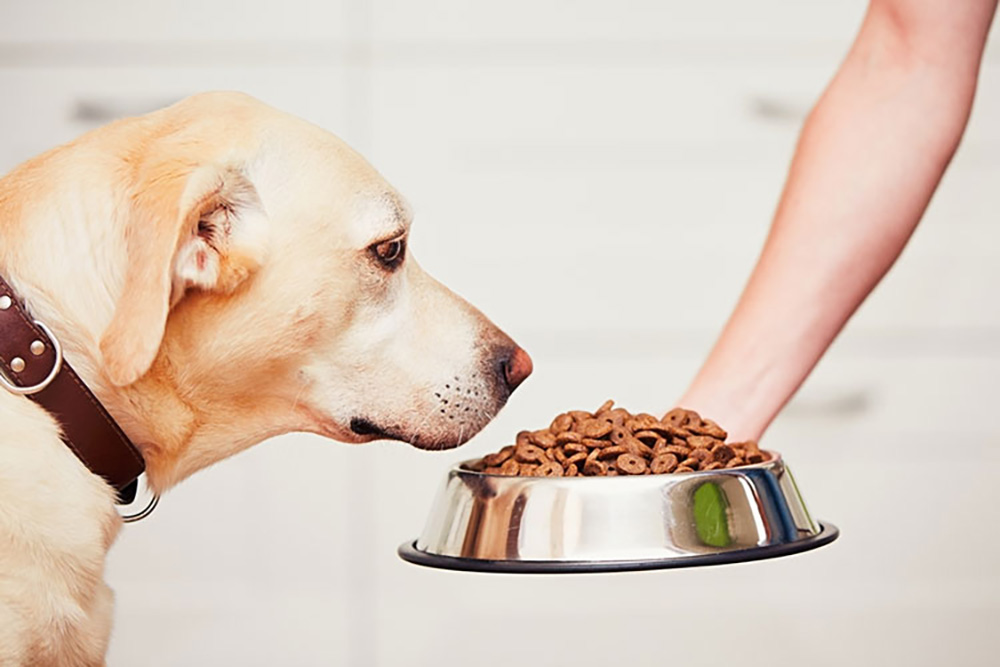
 RCL Foods’ major product recall has drastically reduced the availability of dry dog food, creating an opening in the pet care market. (Photo: Flickr)
When RCL Foods issued a product recall at the end of November 2025 it affected almost half of the dry dog food on South African supermarket shelves. One bad batch of raw ingredients could compromise the health of millions of animals and halted 60% of the company’s production.
The unknown struggle
For years, the South African pet care sector has been defined by a struggle between three giants: the legacy corporate heavyweight RCL Foods (Bobtail, Canine Cuisine), the global multinational Mars Petcare (Royal Canin, Whiskas), and the aggressive challenger from the Karoo, Montego owned by the Monic Group.
But with RCL’s production lines for major brands like Bobtail and Canine Cuisine effectively frozen until further notice after a major product recall, and subsequent promotions cancelled through June 2026, a vacuum has opened up in the grocery channel. It is a vacuum that the newly consolidated Monic Group appears perfectly timed to fill.
However, there’s even more market consolidation with the Competition Commission’s recent green light for the Monic Group — the holding entity for Montego Pet Nutrition — to purchase Marltons, the ubiquitous accessory brand found in almost every pet aisle in the country.
To be fair to RCL, they’re in a closed period ahead of financial results and had to decline answering Daily Maverick’s questions.
The birth of a supergroup
The acquisition of Marltons by the Monic Group is a big shift in strategy. It moves the battle from fighting for shelf space to controlling the entire pet care aisle. By combining Montego’s dominance in the caloric wallet (recurring food spend) with Marltons’ stronghold on the non-caloric wallet (accessories, toys, and hygiene), the group has created a category captain capable of offering retailers a single, unified solution.
/file/attachments/2987/marltons_700893.jpg "Marltons has been around since 1945. Image: Marltons website")
Despite the scale of this consolidation, the group is playing its cards close to its chest regarding a unified corporate identity.
“As an investment company, there are no immediate plans to develop a public-facing brand, although Monic Group is excited for the long-term opportunities that this collaboration could unlock within FMCG [fast-moving consumer goods],” said Johan van Jaarsveld, the MD of Montego Pet Nutrition.
“Under Monic Group ... Montego and Marltons will continue to operate as the trusted, established brands you know and love. Both brands will maintain their unique identity, product quality and commitment to making a meaningful difference in the lives of pets and their families.”
Good strategy
However, his words betray the strategic subtext. While stating that “Montego will remain focused on the independent channel [read: not be listed on South African supermarket shelves],” Van Jaarsveld acknowledges that “the partnership will strengthen Marltons’ product offering and reach within both channels”.
Read between the lines, and the logistics synergies become obvious. Montego’s depot network can now move Marltons’ high-margin, lightweight accessories and bird food alongside its heavy bulk food bags, driving down unit costs and flanking RCL in the very grocery aisles it once dominated.
/file/attachments/2987/Montego_244914.jpg "Montego MD Johan van Jaarsveld. Image: supplied")
When Daily Maverick approached Mars (the other major pet treat player) for comment, we were told that the group does not comment on competitor deals and movements.
It’s all about the chicken
To understand why this consolidation is so important, you must turn your attention upstream, away from the shiny retail packaging and into the grittier reality of the protein pipeline.
Profitability in the pet food sector is largely determined by access to protein. The hand that controls the chicken by-products (gizzards, heads and feet) from abattoirs holds the levers of commerce. This is the raw material for the poultry meal and fat that forms the caloric backbone of dry dog food.
For decades, RCL Foods held an unassailable advantage here through its ownership of Rainbow Chicken (the R and C in RCL, Remgro’s little money-spinning secret). It effectively had an internal subsidy, sourcing protein from its own left hand. But with the unbundling of Rainbow in June 2024, that internal supply chain became a contractual one, exposing RCL to transfer pricing risks.
By contrast, Montego built its Graaff-Reinet industry on what is known as virtual integration.
While Montego doesn’t own chicken farms, its Karoo factory operates adjacent to a processing facility run by BJK Industries. This allows Montego to pipe ingredients directly from the abattoir line into its extruders, securing a regional monopoly on high-quality meat.
Cost to consumer
For the South African consumer, this shift from a fragmented market to a vertically integrated oligopoly brings mixed fortunes.
On one hand, the efficiency of the Monic model suggests stability in supply, something RCL is currently failing to provide. On the other hand, the consolidation of the chicken to the leash value chain under a single holding entity backed by permanent capital (Janic Capital) reduces competitive friction.
RCL’s 2025 financial results highlighted that its grocery segment’s performance was driven by premiumisation, with the market moving customers to more expensive brands like Optimizor. With that strategy now paralysed by its production shutdown, and Monic consolidating its grip on the rest of the aisle, the era of cheap, abundant dog food driven by fierce competition may be drawing to a close.
As the grocery giants look at their empty shelves this month, the question isn’t just who will fill them, but who will own the aisle for the next decade. DM