




 Taku-Bullying-PC
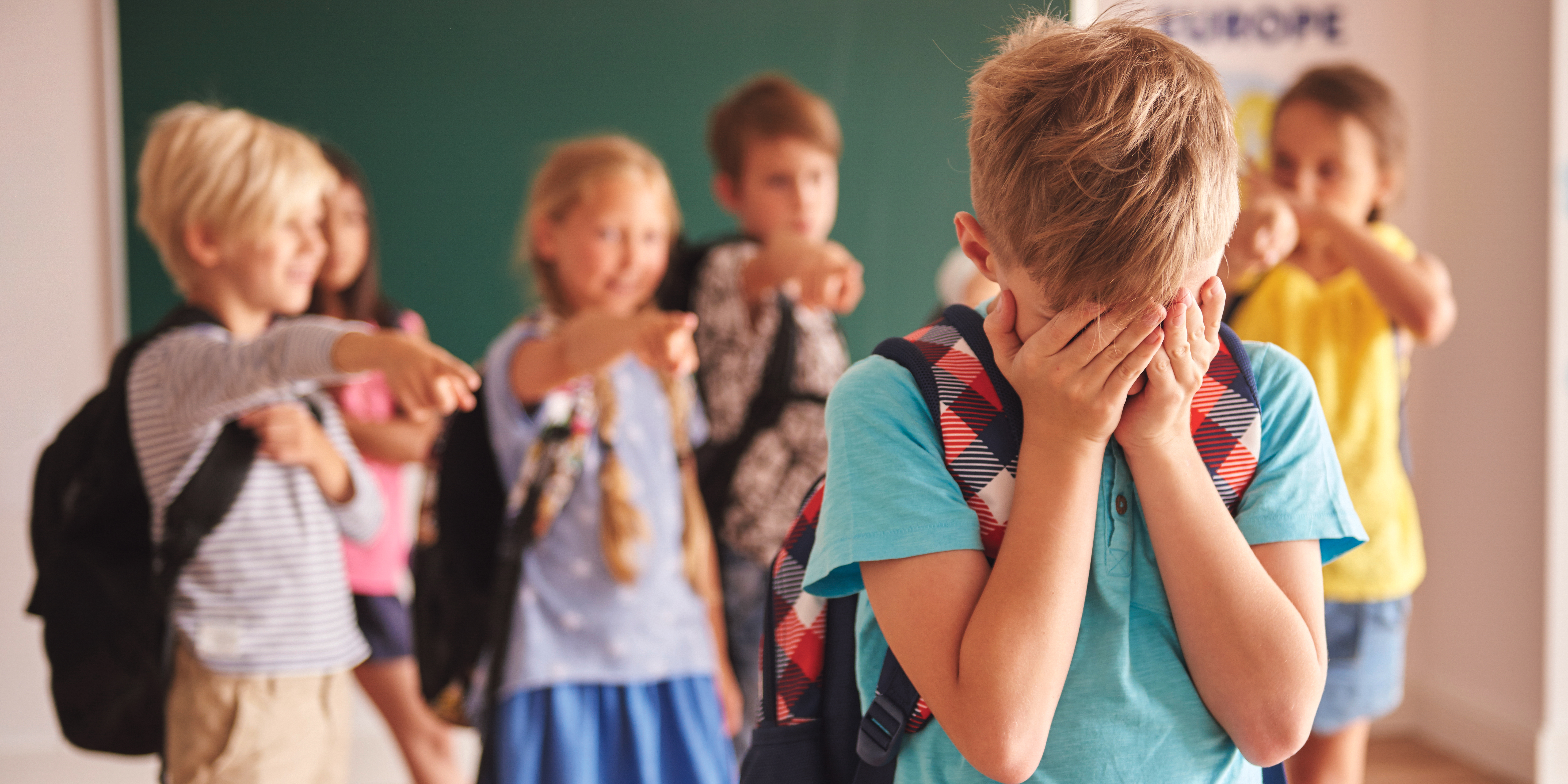
 *Sipho, is a gentle, sweet, hopeful, playful, curious, articulate and smart boy of 14 from Pretoria. On most days, Sipho is resilient, opinionated, confident and steadfast in his sense of self. He loves to read stories about the world and dreams of becoming an accountant one day. Yet, beneath his bright, colourful spirit lies a shadow that often dims his light — the experience of relentless bullying at school. The thought of going to school fills him with dread.
Sipho describes one incident as the one “that will live forever in his heart and mind”.
After a day at school, he came home bruised and battered, not only physically but emotionally broken. During break time, a group of boys had singled him out, calling him names and pushing him against the schoolyard walls. They mocked his voice and the way he dressed, calling him “soft” and “i-chocolate boy”, mocking his darker skin tone. When he tried to walk away, they grabbed him and threw him to the ground, kicking and hitting him while other students laughed and recorded the attack on their cellphones. The teachers were nowhere in sight. This moment scarred Sipho deeply, making him question his worth and safety.
Each morning, Sipho faces a battle within himself. He tries to hold on to his courage and kindness, but the bullying wears him down. The constant taunts and physical attacks have swallowed his confidence, causing him to isolate from classmates, and struggle with anxiety and sadness. Sometimes, he cries quietly in the bathroom, afraid that showing emotion may be construed as a weakness and therefore only make things worse.
At home, Sipho’s parents struggled to understand the extent of his pain. They saw their son’s bright mind and playful nature, but are unaware of the daily torment he faces at school.
“When he finally opened up about the bullying, we were devastated and began looking for interventions. We contacted the school, but the responses were lukewarm, the teachers seemed overwhelmed or unwilling to confront the bullies effectively. We are now in the process of looking for a new school for him and exploring counselling options,” his mother, who wished to stay anonymous, told Daily Maverick.
Sipho’s story paints a vivid picture of the bullying crisis in South African schools — a crisis fuelled by a broader social environment where violence and exclusion are often normalised.
Bullying is defined as a repeated aggressive behavior intended to harm or intimidate others, typically involving an imbalance of power between the bully and the victim. It can manifest in various forms, including physical, verbal, social and cyberbullying. This behaviour causes physical or psychological distress, and creates an environment of fear and intimidation, often leading to long-lasting effects on victims' mental health and educational outcomes. In South African schools, bullying is seen as intentional infliction of harm, where the perpetrators repeatedly target others, which includes acts such as hitting, kicking, verbal abuse and social exclusion.
Alarming Bullying Rates and Underreporting
Annually, more than 3.2 million learners are bullied, yet 67% do not report it. Every day, 160,000 learners skip school to avoid bullying, and one in 10 will eventually drop out because of it. Around 16% of learners experience cyberbullying, and 90% of bullying involves learner-on-learner abuse. This means that at least 24% of school-going children in South Africa have faced repeated verbal, physical or psychological abuse from their peers.
In just the first few months of 2025, more than 500 bullying cases were officially reported across all provinces. These numbers represent reported incidents, but many cases likely go unreported due to fear or stigma. The forms of bullying reported include physical violence, verbal abuse, social exclusion and, increasingly, cyberbullying, which has become more complex with technological advances.
The Portfolio Committee on Basic Education has raised serious concerns about the prevalence of bullying in schools across the Eastern Cape, Mpumalanga and Limpopo. During a recent session where the three provincial education departments presented their annual performance plans for the 2025/26 financial year, committee members highlighted bullying as a significant and unresolved challenge affecting learner safety and wellbeing.
Members pointed out that bullying remains widespread, yet it is often poorly addressed and inconsistently reported at school level. Many learners reportedly hesitate to come forward with complaints due to a prevailing perception that complaints lead to little or no effective action. The committee further observed that many schools lack robust anti-bullying policies, with missing or incomplete guidelines on reporting mechanisms, disciplinary procedures and safety interventions. This gap leaves many learners vulnerable, demoralised and afraid, conditions that contribute to increased absenteeism and even school dropouts, undermining overall educational outcomes.
Looking closer at provincial data, the Eastern Cape Department of Education reported that more than 3,400 learners were affected by bullying incidents this year, with 140 incidents documented in the first quarter alone. Despite no recorded cases in the second quarter, more than 3,200 learners were still identified as involved in bullying-related cases, pointing to troubling inconsistencies and underreporting in school records.
In Mpumalanga, learners and six educators reported 131 bullying cases in just the first half of the financial year, covering a range of distressing behaviours, including physical assault, intimidation, racist and homophobic bullying, extortion and cyberbullying. These figures paint a stark picture of the urgent safety crisis facing schools in the province.
The Limpopo Department of Education reported 11 bullying cases in 2025 compared with 54 cases in 2024. However, committee members expressed concern over the absence of a clear and coordinated provincial strategy to prevent bullying and enforce accountability. They also noted a lack of training for School Governing Bodies (SGBs) and teachers, calling for immediate department-led campaigns, standardised anti-bullying policies and greater community engagement to foster safer schools.
While the committee welcomed the awareness campaigns underway in all three provinces, it emphasised that advocacy alone is insufficient. Members called for the adoption and strict enforcement of comprehensive anti-bullying strategies in every school, involving parents and local communities as key partners in creating safe, supportive learning environments.
Joy Maimela, chairperson of the committee, urged provincial departments to submit detailed anti-bullying policies, along with data on how many schools are actively implementing them. She stressed that the persistence of bullying indicates a failure to enforce safety policies effectively.
“Departments must ensure that reporting channels, preventative measures and interventions are not just policy on paper, but translate into real change on the ground,” Maimela said.
Legal protections and frameworks governing bullying in SA schools
The legal framework addressing bullying in South African schools is extensive and complex, involving more than 20 overlapping statutes that protect learners, and assign responsibilities to schools and educators. The Constitution and Bill of Rights guarantee learners’ rights to dignity, equality and freedom from violence, which bullying violates. The Children’s Act requires educators to act in loco parentis, extending their duty of care beyond school hours. The South African Schools Act mandates codes of conduct prohibiting bullying, and sets governance and disciplinary standards.
Additional laws, such as the Protection from Harassment Act, Child Justice Act, Cybercrimes Act and Hate Crimes Act, address various bullying contexts, including online abuse and hate-related incidents.
Public schools in the Eastern Cape, Mpumalanga and Limpopo provinces operate under comprehensive national and provincial frameworks designed to ensure safe learning environments. The cornerstone policy is the National School Safety Framework (NSSF), which provides schools with a strategic, all-encompassing approach to combating school violence and bullying.
The NSSF guides schools to conduct safety audits, develop safety plans, form safety committees, and implement reporting and disciplinary systems. Through the NSSF, schools identify security threats, respond effectively, monitor progress, and foster a supportive environment for learners, staff and the school community. Public schools have also integrated Student Support Agents, social workers and partnerships with local police to provide direct intervention and support for victims and perpetrators of bullying.
In contrast, private and independent schools have more discretion in developing and applying anti-bullying policies. While they generally implement their own codes of conduct and safety protocols suited to their specific school environments, there is no standardised national oversight of these measures. This lack of a unified framework means that private schools vary greatly in their approach and effectiveness. Some private schools benefit from better resources, allowing for programmes such as counselling, dedicated pastoral care and technology-based reporting systems, but others may lack transparency or consistent enforcement of their bullying policies.
Comprehensive strategies for effective bullying prevention
Experts and school officials acknowledge the widespread nature of bullying, and emphasise the necessity of multifaceted prevention and intervention strategies.
Riah Phiyega, CEO of the School Safety Advocacy Foundation (SSAF), highlights that while there has been progress in policy development and reporting protocols, implementation gaps remain a challenge. She advocates continuous training of teachers, school leaders and parents to recognise bullying signs and intervene early, along with expanding counselling services for victims. Phiyega stresses that accountability is critical and that schools must translate policies into tangible protections in learners' daily environments, fostering a culture of respect and safety.
Recommendations and strategies to handle bullying in schools:
- Establish a positive and inclusive school culture that promotes respect for human rights and values kindness, involving learners, staff and caregivers in the process.
- Develop clear, simple anti-bullying policies and rules that are age-appropriate, and consistently enforced with transparency and fairness.
- Implement ongoing programmes for bullying awareness and prevention, including training for teachers and students on recognising and responding to bullying.
- Develop accessible reporting mechanisms for bullying incidents, ensuring timely and decisive interventions that protect victims and constructively address bullies.
- Foster open communication and democratic management within school communities to collaboratively monitor, evaluate and strengthen anti-bullying efforts.
“Schools must stop looking the other way. No child should feel unsafe or invisible when they come to learn. We need teachers and principals to stand up, listen and take real action against bullying before more children get hurt,” said Sipho’s mother. DM
*Not his real name