



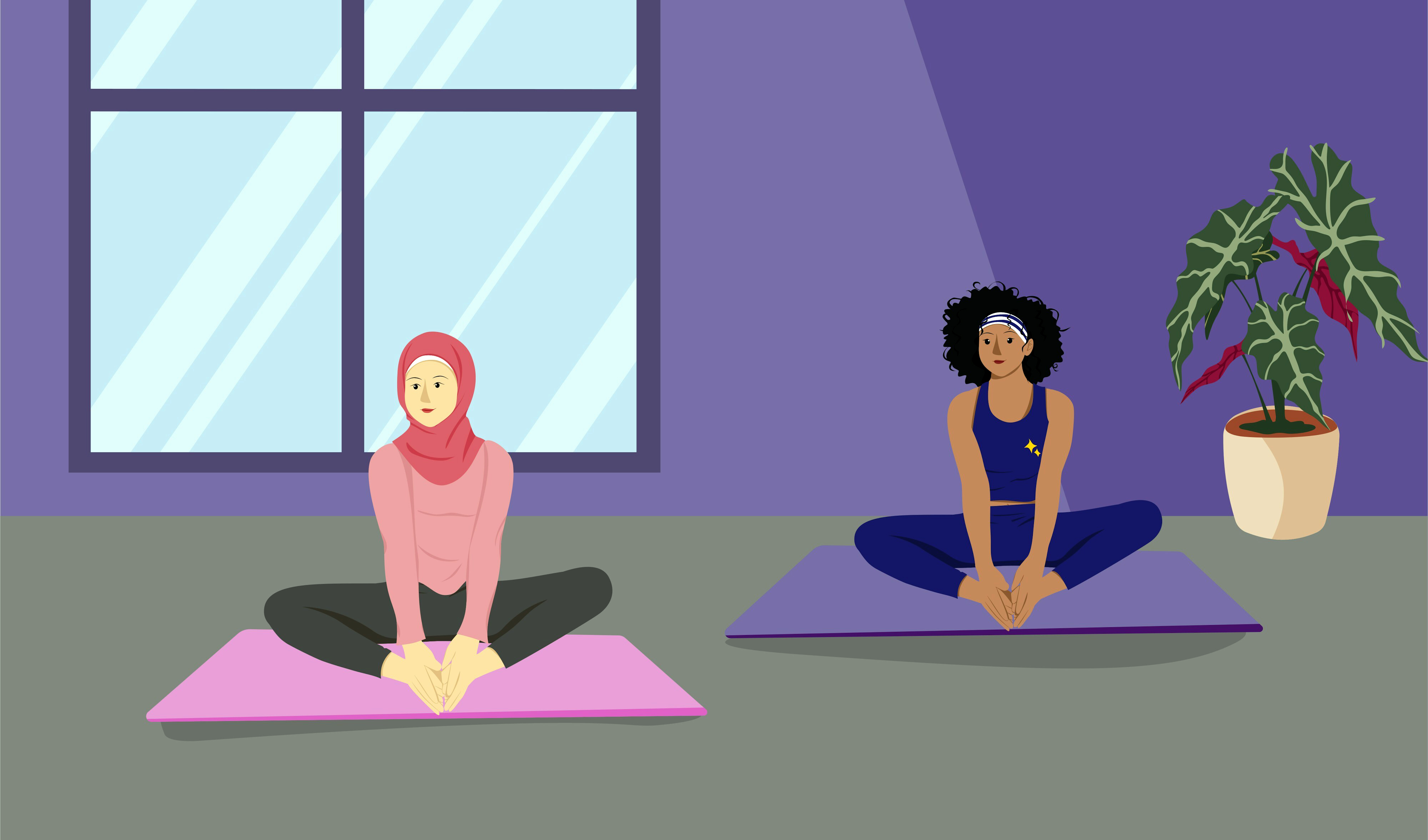
 Having a more positive frame of mind might allow us to be more open to noticing simple, happier things. (Photo: Hajar Hanijar)
If we decide to be more intentional and present in the last few weeks of the year, we have a good chance of feeling that we are “finishing well”, and enjoying not just our holiday, but the days and weeks leading up to it too.
A sense of presence is choosing to appreciate the moment that we are in. It is about deciding what to do with our time, and structuring our days to be purposeful so that to us, they feel meaningful.
We can become stuck in our thoughts, and forget to look around, and really see things as they are. The present is all that tangibly exists. This moment is what we have, and when that has passed, we have the next moment, and the next.
The poet William Meredith observed that the worst that can be said of a man is that “he did not pay attention”. We can decide to pay attention rather than mindlessly miss out on the moment, or on an opportunity, or on simple joys.
We can control our attention, and who, or what, we give it to. We can all guard our attention more, and give it wisely, in a way that benefits ourselves and others. If we are continually past-analysing or future-focusing, important moments may flurry past.
Pause to take stock, and find some presence
1 Breathe
Focus on your breaths in, and out. Slow them right down, and really concentrate on them. Notice that your thoughts start to calm and simplify a bit. (Try square breathing: Slowly in for five seconds, hold for five seconds, slowly out for five seconds, hold for five seconds.)
2 Look around
Be present – become aware of things in your surroundings that you would usually not take note of. (An object, nature, a smiling person, a new building).
3 Check in with how you feel
Spend some time feeling your current emotion. Happy? Sad? Irritable? Concerned? Why? Recognising the source of your feelings can help you manage and understand them; and sometimes to move on, and feel slightly differently about something.
4 What are you grateful for, right now?
There are always some things that are going well, no matter what challenges you may be facing. Acknowledging these can help you gain some positive perspective.
5 What can you do, now, in the present, that would be good for you?
Is it movement? Is it a healthy meal? Is it smiling at someone else, or just for yourself? A put-off phone call? A procrastinated chore? A small positive habit that will add up to something powerful in your future?
6 Proceed, present-focused
Enjoy the shift in mindset that this “taking stock” brings to your day.
Seeking positivity
Making the decision to be more positive is one way of bringing more presence to our moments. Too many of us take on a negative attitude as a result of the people we choose to listen to, the news we watch, and the social media we scroll through.
/file/dailymaverick/wp-content/uploads/2025/11/paying-attention-oped2.jpg "We can control our attention, and who, or what, we give it to. (Photo: Rizki Kurniawan)")
Being realistic is important, but things are never all bad. Our confirmation bias results in us finding more of what we look for. Daniel Kahneman, the Nobel Prize-winning psychologist and author of Thinking, Fast and Slow says: “Confirmation bias is the tendency to notice, seek out, and give greater weight to evidence that confirms what we already believe, while ignoring or discounting evidence that contradicts it.”
If we have decided, for example, that our country is in a hopeless state; then when we drive to a destination all we might notice is the poor driving of others, the potholes in the road and the negative news on the radio. The result? We might probably arrive at our destination deflated, and unnecessarily “heavy”, and out of habit will use this to fuel and fill our conversations.
If we decided differently, that our country has its challenges but that there are definite opportunities and possibilities, we might start to notice different things on that same drive that we ignored before – the drivers thanking us when we let them in, the potholes from last week that have been fixed already, the new building going up on the corner, the smiling people helping to direct the traffic, the thriving roadside businesses that sell produce to commuters.
Having a more positive frame of mind might allow us to be more open to noticing simple “happier” things like the sun shining. Imagine arriving at your destination and sharing the positives (because there are always some) that you bothered to identify on the way as part of your conversation. Perhaps you will unintentionally uplift others, and perhaps they will also notice the good things that you pointed out on their next drive.
Negative conversations weigh us down, and we often use content from those to fuel other complaints. Positive conversations lift us up, and can work some magic between people.
Professor Barbara Fredrickson, in her 2010 book Positivity: Groundbreaking Research to Release Your Inner Optimist and Thrive, identifies 10 forms of positivity that offer countless ways to awaken our inner optimist and savour more of life’s moments.
These include joy, the delight of seeing someone you love or doing something that lifts you; gratitude for what you have and what you are able to give; serenity, with its sense of calm and ease; interest, which sparks curiosity and learning; hope, the belief in better possibilities; pride in accomplishments that bring genuine satisfaction; amusement, with its lightness and humour; inspiration, the spark that expands our sense of what’s possible; awe, the feeling of wonder and deep appreciation; and, finally, love – the warmth of connection and sharing.
Attaining positivity is not about “striving to be an annoyingly and unnaturally cheerful ‘Pollyanna’”. It is about deciding to see things differently, handling setbacks better, connecting with others and becoming a happier version of yourself.
Seek ways to incorporate more of these 10 emotions into your days, and your life. They will help you to balance out the negative, and open the door wider for the positive. It will take effort, but will be well worth the reward. Power up your present with more positivity, and choose to begin your own upward spiral. DM