



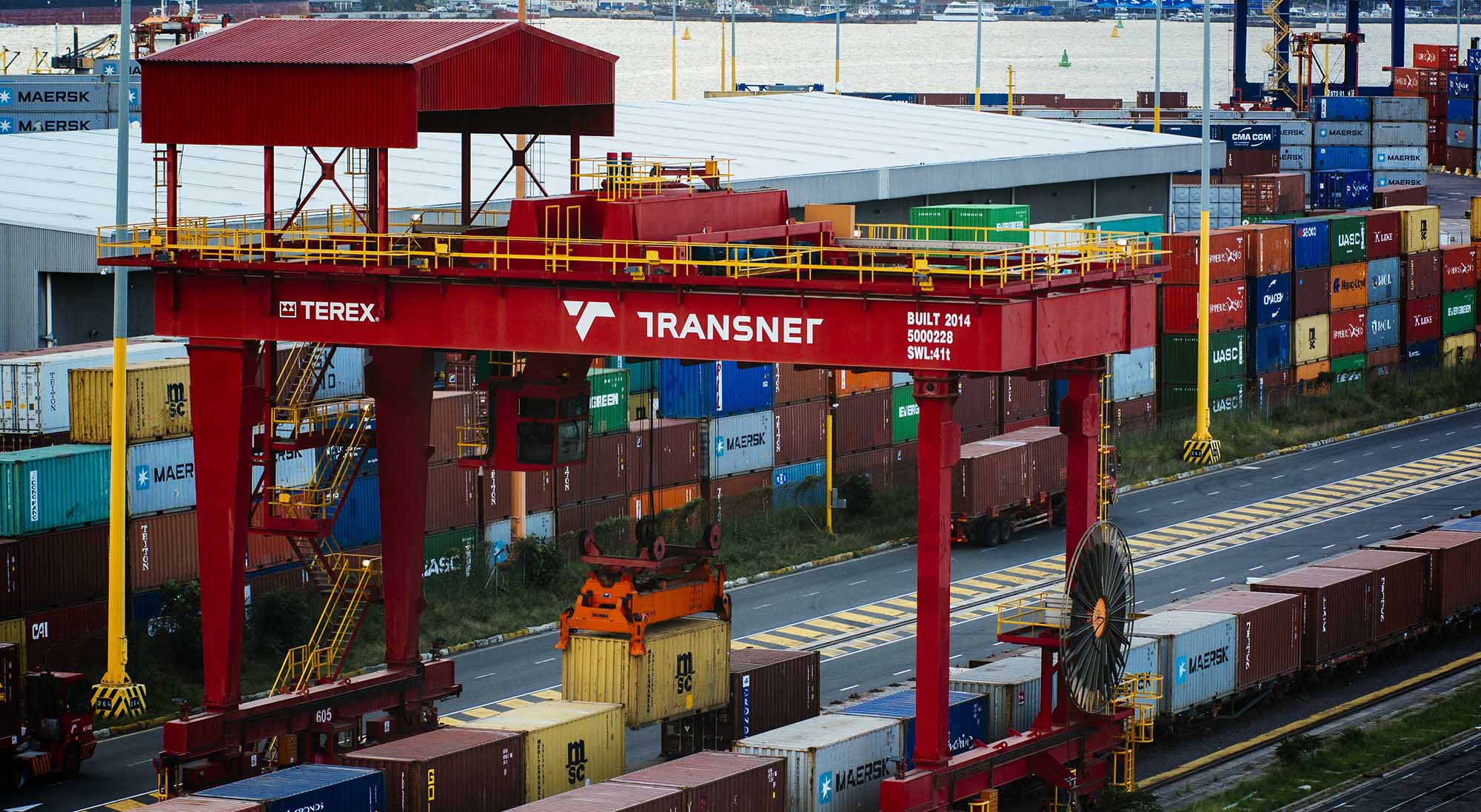
 (Photo: Waldo Swiegers / Bloomberg via Getty Images)
Transnet said it was the second derailment since April, and it comes as South African miners are anxious to move as much coal abroad as possible and take advantage of prices which clocked a more than 10-year high above $130/tonne this week.
On Saturday, a coal train pulling 208 wagons derailed near Vryheid in northern KwaZulu-Natal. A total of 30 wagons derailed, Transnet said in a statement. No injuries were reported.
“This is the second significant derailment on the coal line since the beginning of this financial year,” said Transnet spokesperson Ayanda Shezi.
“Though the frequency is not high, these derailments have severe consequences for the SA coal value chain, our customers, Transnet and the economy at large.”
Mining accounts for about 11% of South Africa’s total gross domestic product (GDP), and since late last year has been the main driver of the country’s better-than-expected bounce in economic growth, lifting terms of trade and leading to a tidy windfall of around R100-billion rand. This was as other sectors stalled, weighed down by renewed Covid-19 lockdowns and slowing consumer spending.
Coal is among South Africa’s chief commodity exports, second only to platinum, and accounts for a quarter of the country’s total mining production. Despite its growing unpopularity globally due to the crackdown on greenhouse gases, it remains a key source of mining revenue and electricity supply.
However, Trasnet’s battle to secure a smooth passage for coal miners to supply the export market may see South Africa lose out on the global commodity upswing. It also dents the credibility of President Cyril Ramaphosa’s plan for an infrastructure-led economic recovery.
“Transnet’s problems are symptoms of a body that’s been fed poison for a very long time,” said mining analyst Peter Major, confirming that South African mines risked missing out on the commodity boom.
“The coal price is this high because South Africa can’t deliver. It’s the same with gold. The country loses about 10-15 million tonnes a year of coal. That’s about $1-billion a year.” DM/BM