




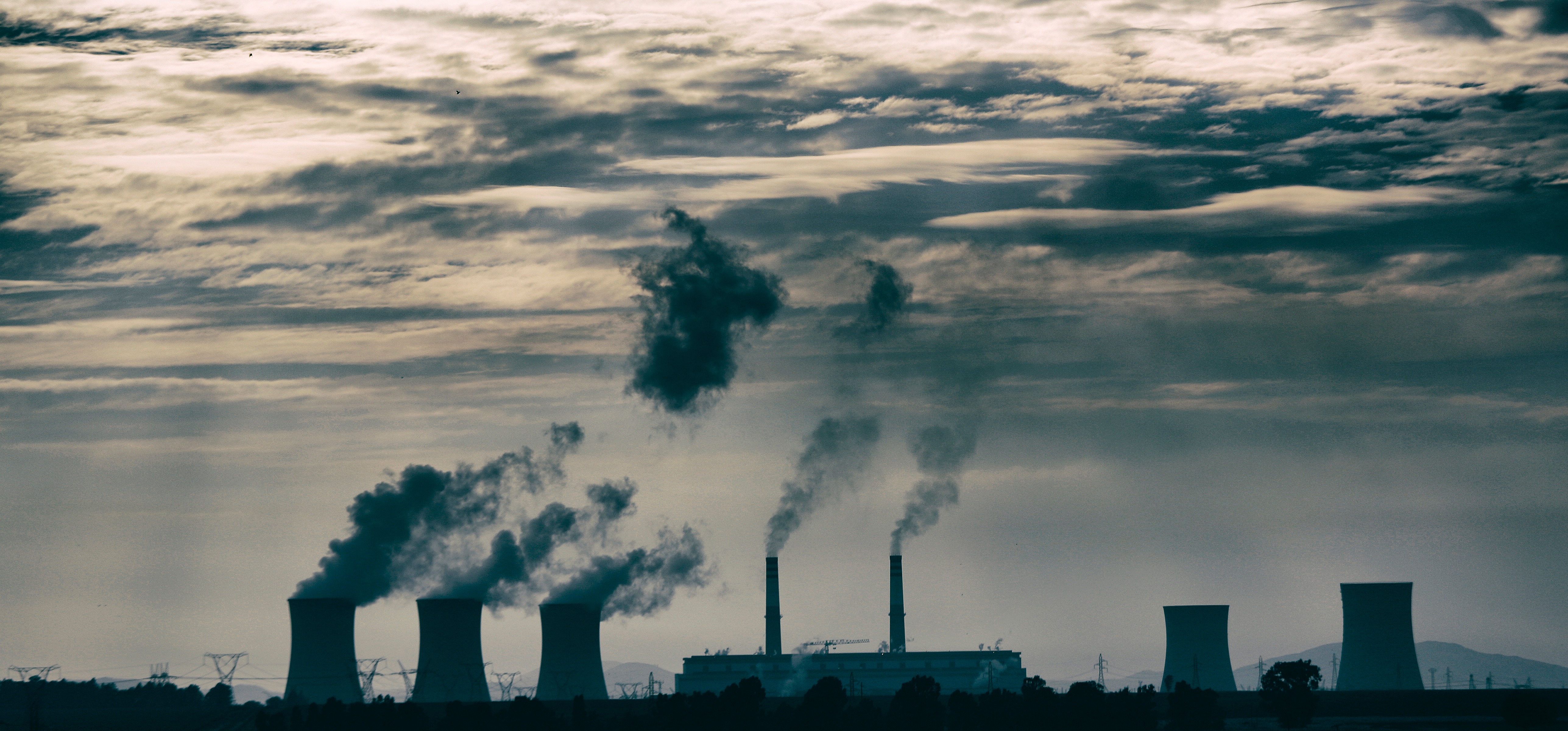
 A photograph made available on 08 June 2015 showing an Eskom coal fired power station as the sun rises near Johannesburg, (Photo: EPA / KIM LUDBROOK)
What do the Iran War, the Godzilla El Niño, and the collapse of the latest round of UN climate talks have in common?
This trifecta of events has combined to boost the coal sector, which astonishingly is set to post another year of record demand in 2026. And even as our planet burns, don’t be surprised if demand for the fossil fuel scales fresh annual peaks next year or the next.
But this could well be coal’s last gasp before its terminal decline.
“Global coal demand is set to increase by 1.2% in 2026 to reach 8.94 billion tonnes, reversing previous forecasts of a decline,” the International Energy Agency (IEA) said in its latest coal update.
That will surpass the previous annual record of 8.84 billion tonnes set last year, which was a 0.3% rise over what had been a record year in 2024.
Down, but not out
Just a few years ago, the end of coal – or at least its rapid demise – seemed nigh. Companies such as Anglo American were dumping coal from their portfolios under shareholder pressure while banks were becoming reluctant to finance coal projects – especially new ones – because of the commodity’s links to climate change, which are pretty much set in scientific stone.
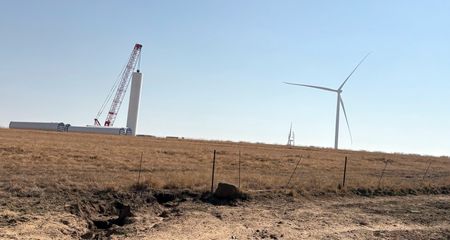
But coal has been reinventing itself on a range of fronts, including turning to renewable energy sources to power its mines while inserting itself into the green energy transition like a square peg into a round hole.
Initiatives such as the Net Zero Banking Alliance, which aimed to shape lending and underwriting to help meet “net zero” carbon emission goals by 2050, have melted away like a polar ice cap.
The green energy transition meanwhile has been accelerating. But coal and other fossil fuels have a new lease on life as overall energy demand, notably for electricity, continues to grow not least because of the surge in data centres and AI workloads.
And in 2026, coal got additional wind in its sails from the trio of events outlined above. A script is always subject to change, and the one about the decline of coal keeps getting rewritten with a new cast of characters – or villains.
Iran War and El Niño
Let’s start with the Iran War. The bottleneck in the Strait of Hormuz slashed global gas supplies, pushing up prices in the process. This has prompted a switch to coal from gas for many power grids.
This will probably be a temporary measure but the destruction wrought by Iranian strikes on Qatar’s natural gas infrastructure – which wiped out 17% of its export capacity – is estimated to take three to five years to repair. And coal stands ready to keep filling that void.
US President Donald Trump’s ill-conceived war of choice in Iran may yet prove to be a double-edged sword for coal.
Many commentators have noted that the soaring oil prices that helped to trigger the “Blue Wave” in the US mid-term elections have thrown into sharp relief the risks of fossil fuel dependence for the global economy.
But new twists and turns can still be added to this script.
The unusually strong and unfolding El Niño event has also stoked coal demand. This is a grim irony because while it is a natural weather pattern, it is probably being unnaturally juiced up by our rapidly changing climate, though the scientific jury remains out on this issue.
But the upshot, as the IEA notes, is that because of the extreme weather unleashed by El Niño, cooling demand has increased and hydropower output has decreased, adding to the use of coal.
The Iran War and El Niño have underpinned coal demand in 2026 and will probably do so well into 2027, and perhaps a bit beyond that. But they will both probably end next year.
But the third pillar of coal demand that emerged in 2026 could have far more long-lasting consequences.
COP collapse
The latest round of UN climate talks in Turkey – or COP31 – collapsed in a heap this past weekend with no agreement reached because of the pointed omission of the words “fossil fuels”. This was widely regarded as a concession to petrostates who have signalled they will not sign up to any pact that contains the offending F-words.
I have a pair of words for them that begin and end with “f”.
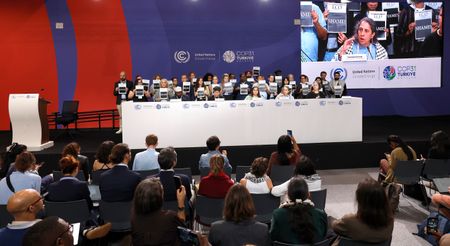
I mean, seriously folks, there were other bones of contention such as financing from advanced economies to regions such as Africa to develop climate mitigation strategies. But it all boils down to fossil fuel usage – this is what has set our fragile planet aflame.
This gutless appeasement derailed any deal that would have hastened the phase-out of coal and its siblings oil and gas, setting a worrying precedent that could defang future climate COPs (Conference of the Parties in dry UN speak) and reduce commitments to reach “Net Zero”.
Coincidentally, Friday 20 November – the day the talks were supposed to end before their fruitless overtime weekend sessions – saw the world’s warmest day on record.
Climate changed
According to preliminary data from the European Union’s Copernicus Climate Change Service, the global daily temperature that day was a record 2.12°C above the pre-industrial average.
Climate change is a stark reality and yet we – myself included – remain reliant on fossil fuels, including coal.
But coal’s record-breaking run – and that of record profits for the wider fossil fuel industry – may soon come to an end. Even without global UN commitments, much of the private sector and many governments, national and local, as well as communities are striving for “net zero” emissions.

The costs of renewable energy are still falling, and there is a lot of money to be made in that sector. The fossil fuel sector is not the only big business with lobbying and diplomatic power, and capital will flow to the option with the highest returns and best growth prospects.
Another prism in which to view this terrain is growth. Coal demand grew 0.3% last year and is seen growing 1.2% this year. A company with a growth trajectory like that won’t attract investors in the long run.
By contrast, green electricity generation grew 9.8% in 2024, according to data compiled by the International Renewable Energy Agency. Non-renewables including coal grew by only 1.4% over the same period.
The IEA sees global renewable power capacity rising by almost 4,800 gigawatts (GW) in the 2026-2031 period, almost 60% more than the growth in the previous six-year period. Even coal’s biggest cheerleaders don’t see growth like that on the horizon.
Coal’s obituaries have indeed proven to be hasty.
“Reports of my death are greatly exaggerated,” is a famous quote attributed to US author Mark Twain.
The same could be said of coal. That doesn’t mean its obit won’t be written soon. The writing is on the wall of the coal face. DM
Comments
Scroll down to load comments...