



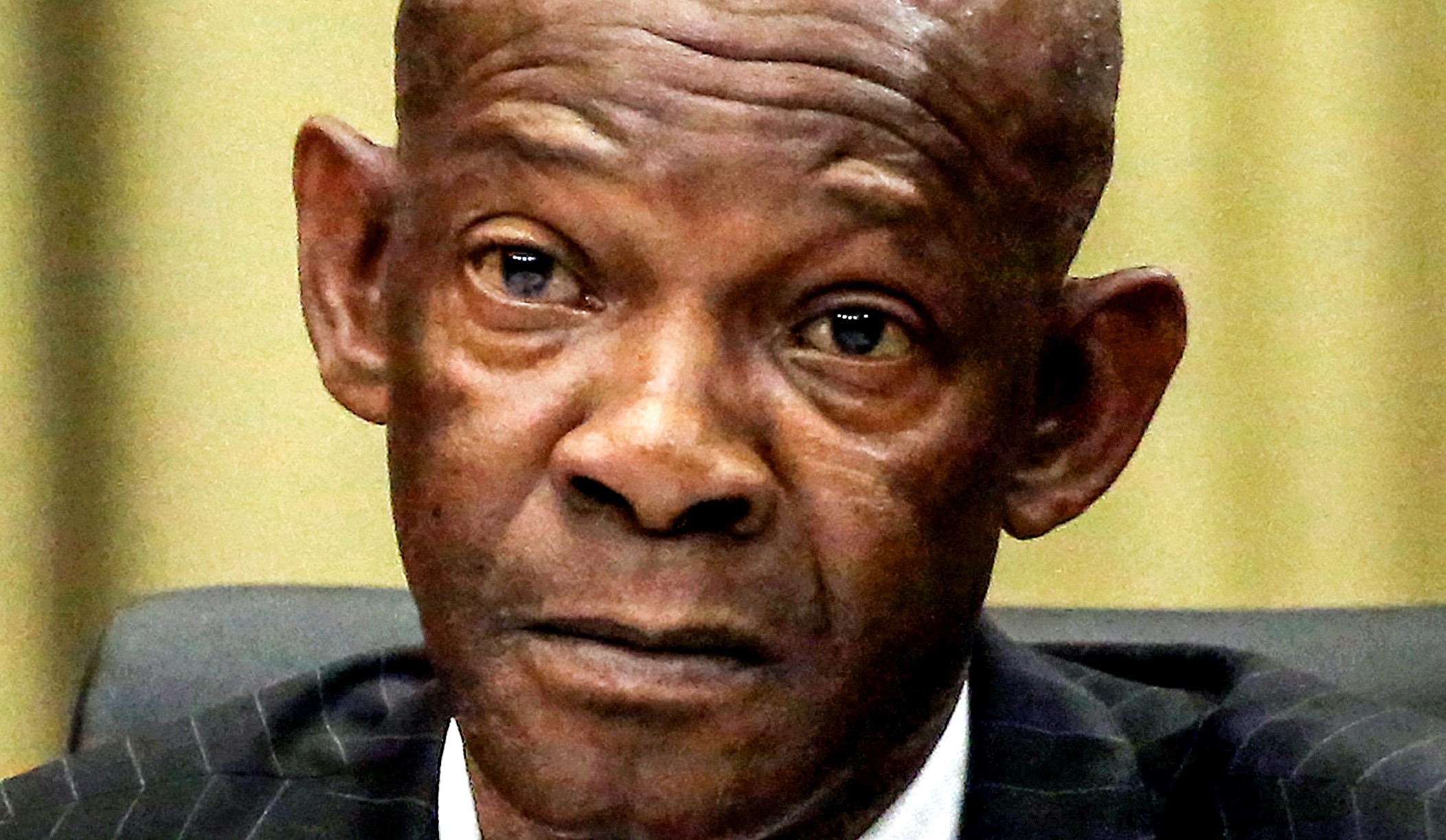
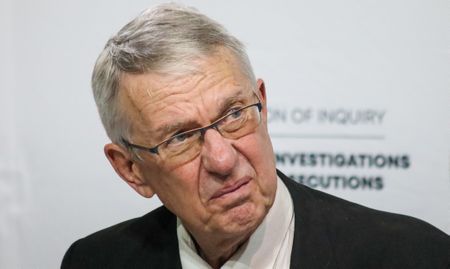
 Silas Ramaite, former Special Director of Public Prosecutions at the National Prosecuting Authority. (Photo: Gallo Images / Phill Magakoe)
Dr Silas Ramaite, former Special Director of Public Prosecutions at the National Prosecuting Authority (NPA), has told the Khampepe inquiry into delayed Truth and Reconciliation prosecutions that the “Chikane matter” was “a red herring” to halt all cases.
Ramaite returned to the commission on Monday for cross-examination by legal representatives of the NPA and the South African Police Service (SAPS), advocates Yanela Ntloko and Motlalepule Rantho, who have challenged him on various points.
The NPA noted that Ramaite had alleged that in 2004 he had received an “unconstitutional” instruction from then minister of justice and constitutional development Bridget Mabandla, but had failed to “resist it, seek legal advice, or report it to an oversight authority”.
Ripe for prosecution
Ramaite, the senior official who oversaw TRC cases, previously informed the panel that the criminal case involving former minister of police Adriaan Vlok, police commissioner Johan van der Merwe and three others, for orchestrating the 1989 poisoning of Reverend Frank Chikane, had been “ripe for prosecution”.
That is, until Mabandla stepped in. At the time, Ramaite said he had adopted a “wait and see” attitude concerning her order.
Advocate Anton Ackermann, head of the Priority Crimes Litigation Unit (PCLU), had been determined to charge the men, the commission has heard, while the SAPS, under former national commissioner Jackie Selebi, has been accused of withholding investigative capacity from the PCLU and the NPA, to scupper TRC investigations.
The impasse between the NPA, the PCLU and SAPS over investigating capacity, as well as the executive creep into the affairs of the NPA, later led to the resignation of then NPA head Vusi Pikoli and a complete breakdown of relations between the Interministerial Task Team (ITT) set up to deal with unfinished TRC matters and the NPA.
‘Not consulted’
However, Chikane told the commission last week that he had not been properly consulted by the NPA about the imminent arrest and prosecution of these high-profile apartheid-era accused.
Chikane said Ackermann had spoken to him about the matter, and that he had expressed his reservations, but felt the prosecutor’s approach had been to threaten to call him as a witness.
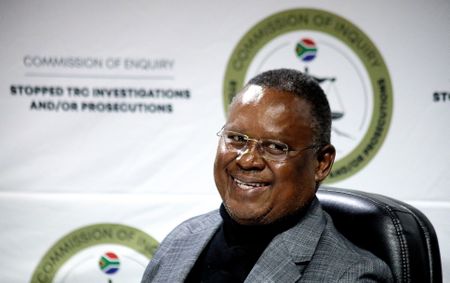
Ramaite said the call he had received from Mabandla had not only halted the prosecution of Vlok and Van Der Merwe, but resulted in all TRC matters ending up in limbo.
This occurred pending the formulation of regulations by the ITT, made up of directors-general, on how to proceed with high-profile individuals who had not applied for amnesty.
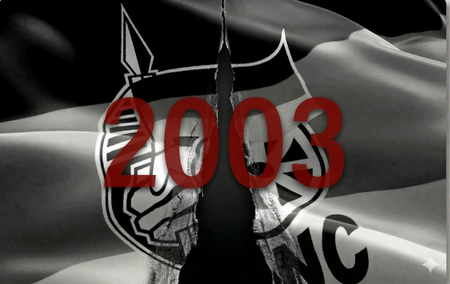
President Thabo Mbeki, in a 2003 speech, had paved the way for the setting up of an Amnesty Task Team (ATT) to deal with post-TRC matters. The former president has been accused by Ackermann of clinching a “secret deal” with apartheid generals for setting up a “back-door” amnesty for perpetrators of apartheid-era atrocities.
Mabandla’s instruction to halt prosecutions in the Chikane matter, Ramaite told the commission, had led to the derailment of other prosecutions and investigations until 2005, when the moratorium was lifted.
“It was a red herring,” Ramaite said on Monday.
Earlier, Ramaite testified that, in hindsight, he should have questioned the former justice minister’s order or gained clarity on it.
Tipping the scales
The prosecution of Vlok, Van der Merwe and others tipped the scales in 2004 when Jan Wagenaar, legal representative of the old-guard generals, claimed that Mbeki and 37 other ANC leaders would also be charged by the PCLU, which was false.
Old-guard officials in the NPA were, on the other hand, pushing for the charging of Mbeki and other leaders, including Selebi, while never providing a shred of evidence when asked to do so.
Ackermann, as head of the PCLU, had attempted to convince Selebi and the minister that no prosecutions were imminent, but to no avail.
Systematic undermining
The legal team for the NPA and SAPS challenged Ramaite’s allegation that the prosecuting authority’s constitutional independence had been systematically undermined and that its internal policies were “constitutionally suspect”.
Former NPA head Pikoli testified earlier that, unlike Ramaite, he had initially viewed Mbeki’s speech and the setting up of the ATT as an attempt to come to terms with past atrocities.
Pikoli, said advocate Ntloko, had understood what the president had said and that the country had needed “a pathway to TRC matters” that had not been resolved.
The NPA, according to the law, Ramaite agreed with Ntloko, needed to work in consultation with the Department of Justice, which also had representatives on the ITT.
Asked by Khampepe commissioner Frans Kgomo if he had ever received a written request from Mabandla, Ramaite replied that the minister had undertaken to do so, “but it never came”.
Asked why he had acted on only a verbal instruction, Ramaite replied that he had also attempted to call the minister’s office about a written request, “but the letter never appeared”.
Ramaite was appointed in 2001 as Special Director of Public Prosecutions by the then inaugural NPA head, Bulelani Ngcuka. Ngcuka resigned in 2004 and was replaced by Pikoli, who was suspended by President Thabo Mbeki in 2007. DM
Comments
Scroll down to load comments...