



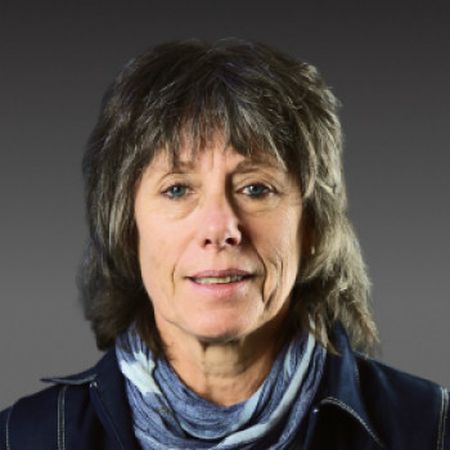
 Public Protector, Busisiwe Mkhwebane during her Roadshow in Thembisa. (Photos: Tebogo Letsie)
 Public Protector Busisiwe Mkhwebane will face two criminal charges of perjury, the National Prosecuting Authority (NPA) has announced.
This is in relation to her conduct during a judicial review of her 2017/18 investigation into the SA Reserve Bank’s (SARB) bailout of apartheid bank, Bankorp, between 1985 and 1991.
On Monday, NPA head advocate Shamila Bathoi informed advocate Paul Hoffman of the NGO Accountability Now that prosecutors would proceed with two remaining counts of perjury against Mkhwebane as “there are reasonable prospects of success”.
Accountability Now laid perjury charges against Mkhwebane in 2019.
In November 2018, the Constitutional Court found that the Public Protector had “put forward a number of falsehoods in the course of litigation” on the Reserve Bank report.
Mkhwebane will become the first head of a Chapter 9 institution in South Africa to face criminal charges.
In July 2021, Mkhwebane made a brief appearance in the Pretoria Magistrates’ Court, flanked by her lawyer advocate Dali Mpofu, where one of the three charges was withdrawn.
The Public Protector is accused of having “unlawfully and intentionally” lied under oath in court documents in 2017 and 2018 about the number of times she met with former president Jacob Zuma and state security officials during the investigation into the SA Reserve Bank, and the purpose of those meetings.
At one meeting, Mkhwebane had written, with reference to the Reserve Bank, “How are they vulnerable?”
On 7 June 2017, 12 days before she released her report calling for an amendment of the Constitution to allow Parliament to alter the powers of the Reserve Bank, Mkhwebane met with Jacob Zuma’s legal advisers. By that date, she had vastly expanded the reach of her investigation.
Mkhwebane’s eventual report was overturned by the courts on the grounds that she had grossly overstepped her mandate by ordering Parliament to redirect the mandate of the Reserve Bank.
Meanwhile, Mkwebane’s woes are multiplying as Parliament is going ahead with preparations for an impeachment vote. On 4 February 2022, the Constitutional Court unanimously found the Western Cape High Court had erred in declaring unconstitutional the participation of a judge in the initial impeachment assessment because it violated the separation of powers.
“… (T)he judge is appointed to the independent panel, not to make a binding decision, but to give advice on the subject of the removal of a Chapter Nine institution office-bearer…
“Moreover, it bears emphasis that the judge is but one of a three-person panel. She may thus well find herself in the minority in decisions on the recommendations to be made by the independent panel,” said Judge Nonkosi Mhlantla.
It also allowed for Mkhwebane to be legally represented during the impeachment process.
In a last-ditch bid to stave this off, Mkhwebane informed Parliament last week that she was following Jacob Zuma’s lead, applying to the Constitutional court for a rescission of its own judgment against her.
Her lawyers have argued that the court “misapplied its own judgments”. DM