



Millions of people around the globe love the idea of the Fifa World Cup tournament. Every four years, football creates a space where countries that may have little else in common seem a little more connected. Perhaps that is why many approach the 2026 tournament with mixed emotions.
South Africans watched the country’s opening match against Mexico, because Bafana Bafana deserves that, and the memorable draw at the opening of the 2010 tournament in Soweto/Johannesburg left incredible memories and meaning in South Africa’s (SA’s) reentry in the global community of nations. More broadly, soccer remains one of the world’s great pleasures, and the World Cup remains one of its great spectacles.
Yet one cannot shake off a sense of discomfort this time, in 2026. Part of that discomfort stems from the host nation, the US under Trump. Living in South Africa (SA) teaches one the importance of engaging respectfully with people whose political views differ from your own. A good football match could be part of the medicine for this. Despite our shortfalls on that score, we should try to understand viewpoints that we may strongly disagree with.
But there are moments when that commitment is tested. The political culture that has emerged around Donald Trump is one of those moments. Over the years, Trump and some of his closest allies have repeatedly spoken about migrants, foreigners and developing countries in dismissive, prejudiced and disrespectful ways, and the state violence against foreigners has persisted even after some rather harsh incidents.
Some countries ‘matter more’
The vocabulary may vary from one controversy to the next, but the underlying message often feels remarkably consistent: some countries matter more than others, some people are more welcome than others, and some parts of the world are viewed as problems and not as partners.
Given our history, that message is difficult for South Africans to ignore. Perhaps it would be easier to dismiss if it remained mere rhetoric. After all, politicians say many things, and public controversies come and go. Yet as this World Cup starts off, rhetoric increasingly appears connected to reality.
Reports of visa difficulties affecting supporters from parts of Africa and the broader Global South have raised concerns about who will be able to participate in what is supposed to be one of the world’s most inclusive sporting events.
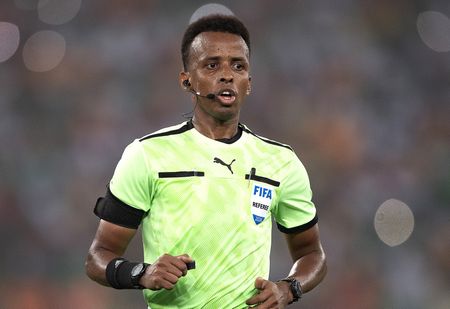
Referee Omar Artan – from Somalia – seems to embody everything international sport should celebrate: a young sport person who through talent and perseverance rose from one of the world’s most troubled countries to become a Fifa-accredited referee selected for the World Cup.
Yet instead of becoming a symbol of opportunity and achievement, he became the subject of deportation controversy. The legal details are beside the point – but the symbolism is not.
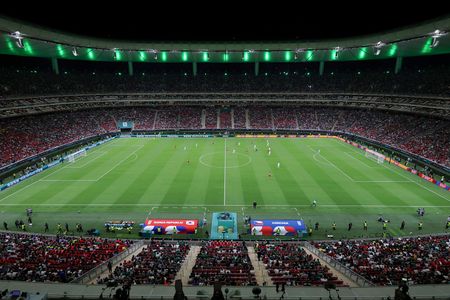
The World Cup has always been about more than football. It is one of the few institutions that still carries an idealistic vision of the world. Rich and poor countries participate. Powerful and less powerful nations share the same stage. The tournament suggests that, despite our differences, there remains something fundamentally human that connects us.
The political climate surrounding this World Cup seems to point in the opposite direction. Not only in the US, but across much of the world:
- In many countries – SA included – anti-immigration political parties are gaining support. Nationalism is resurging and religious tensions deepening.
- Driven often through social media, racial and ethnic grievances increasingly shape public debate.
- Quite simply, the world feels less open to diversity than it did 20 or 30 years ago. And is less confident about globalisation.
Somali ref in an inclusive world
The controversy surrounding referee Omar Artan has resonated so deeply as his story feels symbolic of a wider shift. A generation ago, his appointment would likely have been celebrated as evidence that talent could transcend geography and that the world was becoming more inclusive.
For those critical of these trends, refusing to watch matches involving the US is unlikely to change anything. The World Cup will continue. The stadiums will be full. Most supporters will quite understandably separate football from politics.
Yet sport does not exist in a vacuum. It reflects the societies in which it is played. Sometimes it reveals truths that politics alone cannot.
We will watch and celebrate the football, but also with a lingering question in mind: if the World Cup is supposed to bring the world together, what does it mean when so many of the people who make up that world increasingly feel unwelcome?
That, more than any result on the field, may be the question that defines this tournament. DM
Chris Heymans is a public policy analyst in Cape Town.