


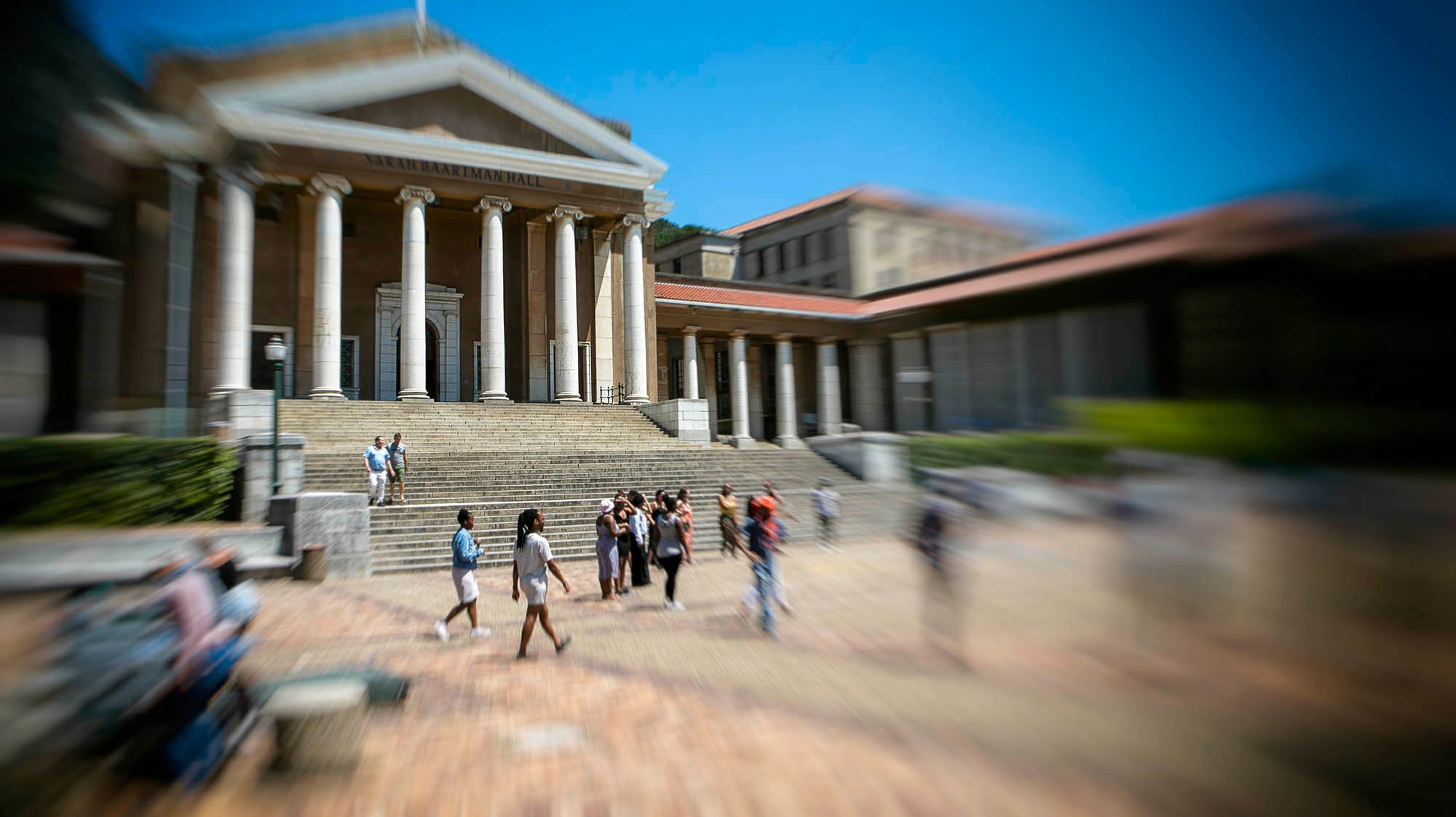
 The University of Cape Town. (Photo: Gallo Images / Jacques Stander)
Across South Africa lecture halls have fallen quiet as thousands of university students sit for their final year-end assessments. Following a demanding academic year complicated by funding bottlenecks and campus disruptions, institutions insist that recovery plans have stayed the course, while students grapple with lost momentum and psychological strain.
At the Cape Peninsula University of Technology (CPUT), a second-semester protest shuttered campuses for nearly three weeks after the recess. Despite the lost time, CPUT spokesperson Lauren Kensley maintains that the academic project remains secure.
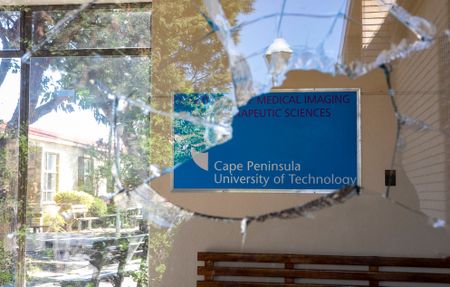
“We are 100% ready to complete the academic year on time and on schedule. The adjusted academic calendar and differentiated faculty recovery plans have gone according to plan, and the academic recovery position indicates that all six faculties are on track to complete within the approved timeframe. Preparations for the 10 December graduation also remain on track as planned,” Kensley said.
Addressing student housing pressures as leases lapse in late November, Kensley clarified: “Reassessments will take place in January and no students, apart from those who have academic permission because of Work Integrated Learning (WIL), will be on campus. The institution must shut down residences for deep cleaning and maintenance so that [they] are fresh and ready for the new cohort of students in 2027.”
The University of Cape Town (UCT) reported smooth operations for its 15,920 enrolled candidates. Spokesperson Elijah Moholola confirmed that following earlier disruptions by EFF student structures, “UCT’s 2026 academic year pattern has proceeded as planned”, running from 5 to 23 November.

At the University of Johannesburg (UJ), where roughly 123,000 papers are being written between 22 October and 13 November, spokesperson Herman Esterhuizen noted that brief disruptions on 26 October at the Auckland Park Kingsway campus were minimal, swiftly addressed and resolved, with the limited number of affected exam sessions rescheduled.
AI involvement in universities
Owing to the rise of artificial intelligence, universities have raised their guard. Moholola affirmed that at UCT, “the majority of examinations are paper-based – except for a few which are lab-based. Cellphones and other unauthorised electronic devices are prohibited.”
CPUT has restructured its curriculum directly against digital shortcuts. “Assessments in particular have seen significant adjustments, given the danger of AI use and its impact on assessments. Most academics have increased the number of assessments that take place in-person, under supervision. Where assessments take place using a computer, tools such as ‘Lockdown Browser’ ensure that access to the internet is restricted,” Kensley noted.

UJ has adopted a comparable multipronged strategy, pairing pedagogy updates with targeted AI-detection and similarity-checking software built into its learning management system, Esterhuizen explained. For digital evaluations, the university used specialised lockdown browsers. Rigorous security measures, such as strict venue access, active invigilation and post-examination script moderation, were enforced to safeguard the distribution and handling of physical test materials.
How students are coping
For students, the academic finish line presents starkly different personal hurdles. Fourth-year CPUT information technology student Zukisani Lale felt the brunt of the mid-year strike.
“I feel somewhat prepared, but I could have done better. The strike affected our examination dates and disrupted our normal academic routine. Since we were not attending classes or doing schoolwork as usual, our focus shifted away from academics, making it difficult to get back into studying and preparing for exams,” Lale said. “I am trying my best to cope, but I do feel the pressure. It has been mentally challenging because there is a lot to catch up on.”
At UJ, second-year student Simamkele Qoyo encountered the opposite challenge.
“I feel I was not really prepared for my exams due to the way I qualified, because receiving the high qualifying marks made me lazy to study, leading to me being unprepared or with less information on the days of my examinations,” Qoyo said, though noting that well-spaced five-day study intervals kept stress manageable.
With institutional counselling bodies such as UJ’s PsyCaD, which provides 24/7 psychological support and crisis intervention, and UCT’s Student Wellness Service on high alert, CPUT’s Kensley warned against 11th-hour panicking. “Having support as students approach assessments is a normal part of our operations, and we always encourage students to seek help BEFORE exams and not on the eve.”
Doctor’s warnings
Clinical and sports psychologist, Dr Tumi Mashego, warned that unchecked anxiety paralyses recall. “Pressure and stress during exams are expected. But when they become unmanageable, it makes it difficult to study and can hinder performance.”

Warning signs included altered appetite, sleeplessness, poor emotional control, somatic headaches, palpitations and negative self-talk.
Mashego advises establishing a realistic timetable with breaks. “No one can study 24/7, no breaks. It is key to remember that long-term memory is there and you know something... Panic and anxiety make it difficult to remember what you know. So breathe and practise mindfulness so you can access long-term memory when writing the exams. It’s okay to skip some questions in exams that allow if you’re struggling with it and come back later to it. Avoid thinking of the worst-case scenario for the outcome.” DM
Declaration: Siyabonga Goni is a Media Leadership and Innovation, honours student, at the Cape Peninsula University of Technology (CPUT).
Comments
Scroll down to load comments...