



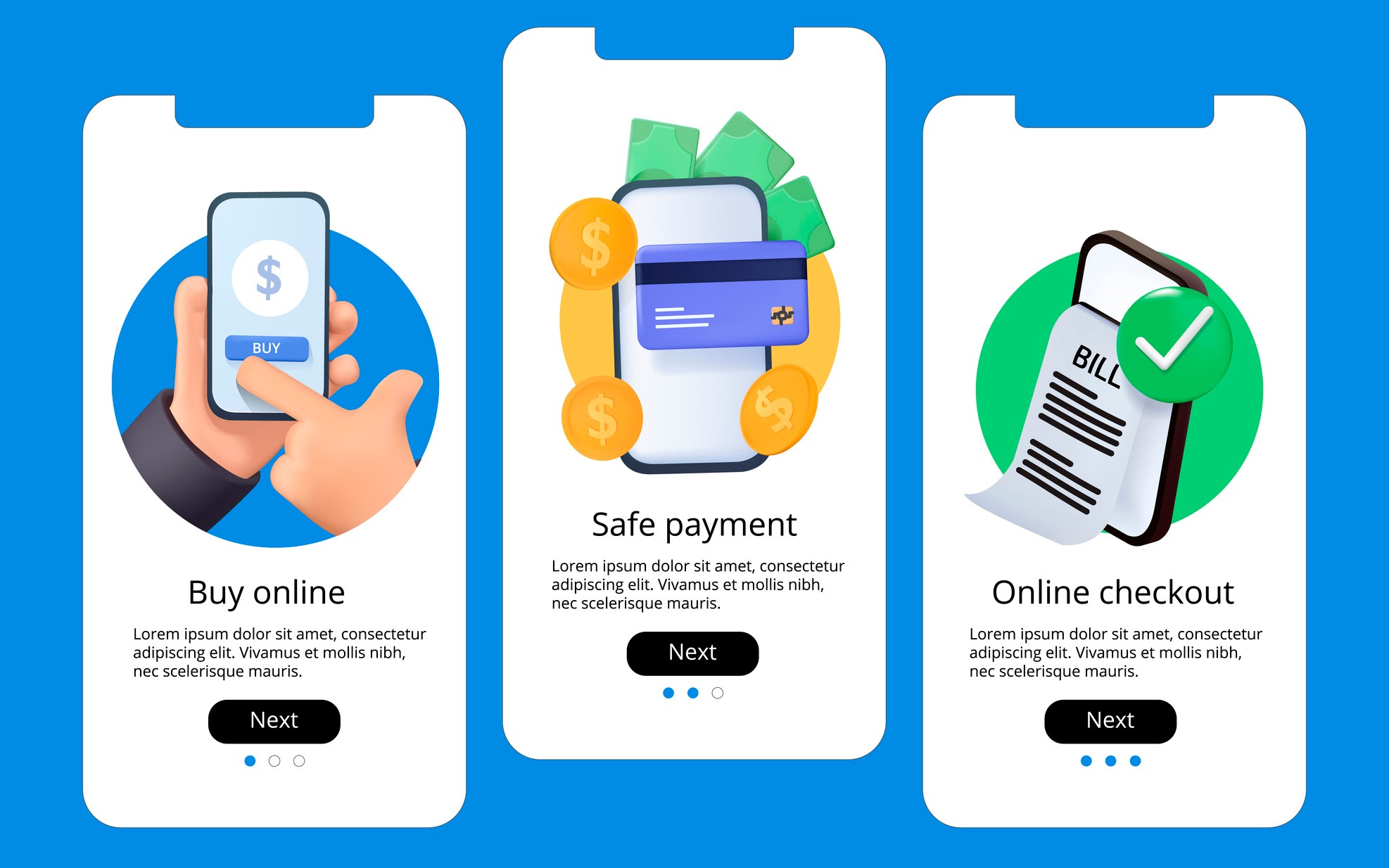
 Buy now, pay later is reshaping how we shop online while the increased use of AI is changing the way the internet is working, and brands can’t build for both realities. (Image: iStock)
Sorry to break it to you, but CPM (read: cost per mile – aka cost per thousand) is dead, and AI agents killed it. In 2025, Cloudflare recommended that its customers block AI crawlers, and it ended up being 22% of all website requests.
By June 2026, AI crawlers made up 52% of all website queries across Cloudflare customers – and if you paid attention to internet outages over the past 18 months, you’ll know that a year ago, Cloudflare showed how much of the internet runs through it.
All that AI traffic is in addition to humans, but still uses the same resources – bandwidth and compute – but there’s no user on the end to see the ads displayed on the website, and no brain to market to.

Strange then, that Wesley Billett, co-founder and CEO of Happy Pay, is so proud of launching a targeted display ad platform, Happy Ads, to help further subsidise users to reach that zero-interest promised land which is the playground of the buy now, pay later (BNPL) services.
Wait, how does BNPL work?
At its core, it is a flexible payment option that allows shoppers to buy items immediately while spreading the total cost over a short period without paying traditional credit interest.
Because platforms do not charge interest to on-time buyers, they generate revenue through multiple alternative channels:
Merchant discount fees: Online stores pay BNPL providers a percentage fee per transaction. Merchants gladly pay this, because offering BNPL lowers cart abandonment and increases Average Order Values by more than 35%.
Advertising and marketing revenues: Platforms like Happy Pay use ad-subsidised payment models (read: Happy Ads), earning money when merchants bid on a Cost-Per-Acquisition (CPA) basis to show their products in interactive shopping feeds.
Financial product upselling: Larger ecosystems (like Weaver Fintech’s PayJustNow) use interest-free BNPL as a low-cost entry point to acquire users, using repayment history to cross-sell other financial products such as personal loans or insurance.
Late and arrear fees: If a customer misses a scheduled instalment date, providers may charge late payment or arrear collection fees.
Come on, get happy
“We only interact currently with registered humans, and we don’t sell impressions... we work with a merchant to sell outcomes,” is Billett’s best explanation when Daily Maverick pressed him about his business model in the age of declining human user traffic.
“In the age where many impressions are non-human and that’s ultimately advertising wastage, a CPA model becomes quite interesting.”
Instead of treating advertising as intrusive banners, Happy Ads uses merchant ad budgets to cover the cost of offering zero-interest credit. Rather than listing static store logos like a traditional BNPL directory, Happy Ads turns store inventories into live, product-level shopping feeds inside publisher websites or partner apps – that follow users wherever they browse and the API is plugged in.
“Our ads don’t look like an ad ... it’s actually utility,” he explains.
“It’s like something for people to do on your website... If they wanted to, they could type in, like, iPhone 17 and see the price across all the different merchants... We just took it a step further where now you don’t scroll stores, you scroll the products in those stores.”
So stores do not pay for blank views (CPM); they pay strictly on a Cost-Per-Acquisition (CPA) basis when a real customer actually buys a product.
This is, of course, premised on the current trend emerging in Mzansi’s online checkout queues. According to research by World Wide Worx, online shopping in South Africa has crossed a major milestone, now making up 10% of total national retail sales.
As shopping habits evolve, BNPL has quickly moved from a novelty to a daily financial tool for consumers stretching their household budgets.
In fact, the percentage of online stores offering BNPL surged in lockstep with the AI web traffic trend from 15.9% in 2025 to 54.7% in 2026 – the largest single-year jump of any payment method in South Africa.
Broken pieces of the retail market
The research also shows that South Africans are not settling on a single way to pay online. Instead, preferences are widely split across multiple channels.
Because shoppers use different methods depending on what they are buying, online stores are adding all major BNPL options to their checkouts.
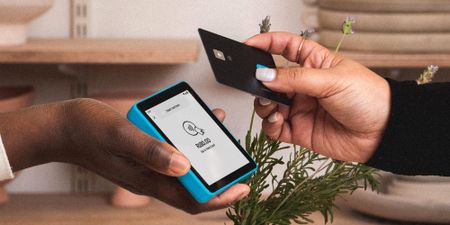
It seems the South African payments market isn’t moving towards one winner. It’s moving towards more choice, and customers are deciding what works for them, purchase by purchase.
Billett, of course, has his own take:
“South African merchants and retail is in like a slightly difficult space at the moment, right? And so they’re looking for sales. And I think in the mind of most merchants, they see each BNPL as having its own kind of like specific audience. And so what we’re seeing more than merchants choosing between BNPL, we’re seeing them kind of like put all of them on...”
Any way you slice it, an ad revenue platform is racing against the clock of widespread agentic AI adoption. Even the kings of monetising online search, Google, had to come to that reckoning when it reported a slowing in Search revenue.
But the share price bloodbath after the quarterly results didn’t stop Google chief business officer Philipp Schindler from trying to explain that AI queries capture valuable shopping intent higher up in the decision-making funnel:
“We think of Search holistically, a unified product spanning traditional results and AI powered Search. On AI Mode, many of these queries are upper-funnel queries, allowing us to capture new high-value commercial intent. In addition, the majority of AI Mode queries are incremental... Click-through rates are already similar between sponsored and organic product list items within AI Mode.”
Schindler, who didn’t know how the market would react afterwards, said that Google “views agentic experiences as clearly additive … our focus is building trusted, secure superscale experiences that users love ... foundational blocks, like universal commerce, the cart, the agent payments protocols...”
For now, South Africa is still discovering the joys of e-commerce and adopting BNPL at a rapid rate – like how CrossFit became a thing because for the first year, athletes will hit personal bests almost every week.
But it’s hard to gamify that reward when the dopamine hits are few and far between. AI agents don’t thrive on dopamine hits; they will ruthlessly find the best deals to replenish your consumables while you are sleeping. DM
Comments
Scroll down to load comments...