




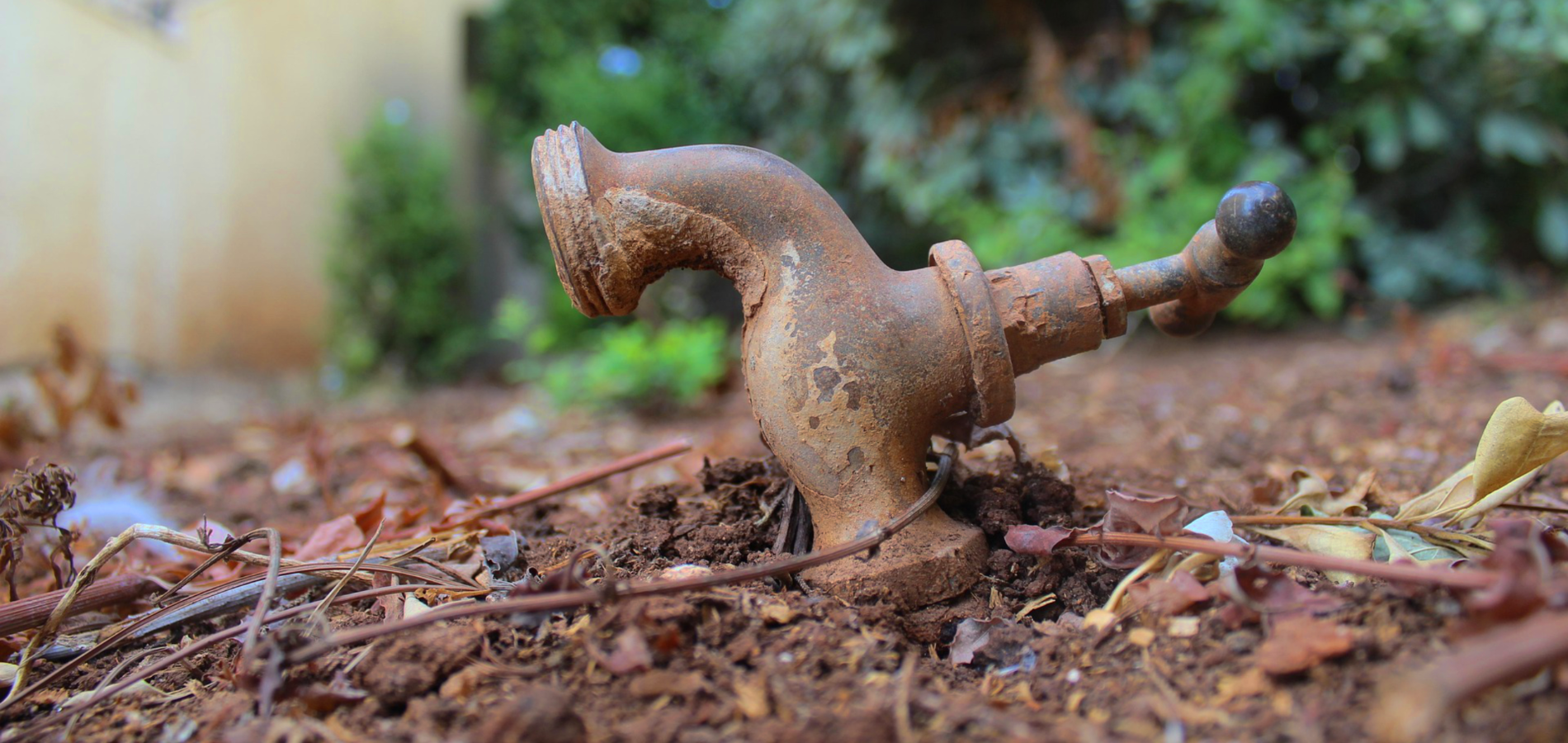
 Photo supplied
South African municipalities are in the grip of a water crisis so severe it prompted the South African Human Rights Commission (SAHRC) to initiate an inquiry into the problem in Gauteng. The commission concluded its public hearings in May 2026.
“Gauteng is experiencing a sustained and deepening water crisis characterised by persistent shortages, intermittent supply, infrastructure failures, ageing and poorly maintained systems, contamination risks, governance failures, and inadequate emergency response mechanisms,” said the SAHRC in its terms of reference. “These challenges have become a recurring feature of municipal service delivery, particularly within the City of Johannesburg, City of Tshwane, and City of Ekurhuleni.”
The terms of reference go further to state that: “The impact of the water crisis is disproportionately borne by poor and marginalised communities, residents of informal settlements, schools, healthcare facilities, early childhood development centres and social care institutions. The consequences include compromised sanitation, increased public health risks, disruption of education and healthcare services, and the erosion of human dignity.”
The South African Constitution provides for, among others, the right to water and sanitation, education, healthcare, and dignity. The failure to deliver water, then, is not only a sign of municipal incompetence and poor governance; it is nothing less than a violation of those basic human rights guaranteed in the Constitution.
Hence the SAHRC’s intervention – and it was not impressed by what it heard from municipal managers during the hearings.
“The water crisis is not to be attributed solely to natural scarcity, but rather to human mismanagement, infrastructure neglect, and systemic corruption, amongst others. This clearly demonstrates the failures of municipalities to provide water may not be attributed to the shortage of water in Gauteng, but rather it is a man-made disaster,” said commissioner Henk Boshoff.
While we wait for the outcome of the SAHRC inquiry to be made public, we continue to be made aware of allegations of criminal activity exploiting the water crisis. A particularly significant allegation came from suspended Tshwane Metro Police inspector Lebogang Phiri, who alleged, before the Madlanga Commission in April 2026, the existence of an organised criminal cycle in which reservoirs and pump stations were deliberately disabled and followed by illicit tanker operators drawing water from municipal hydrants and selling it to desperate residents.
In our own 2020 research report into corruption in the water sector, titled Money Down the Drain, we raised issues of water tanker irregularities, among other concerning trends and incidents. We said: “There have been cases where municipal officials worked with tanker owners, interfering with the public water supply to create business opportunities for themselves.”
Whistle-blowers vital to the fight against water corruption
These problems have existed for years, with very little progress in addressing them. We need the people who do know why the water isn’t flowing to speak up – but when South Africa’s hostile whistle-blower environment means they are too afraid to do so, what then?
The public knows about the visible failures: burst pipes, dry taps, failing pumps, aging infrastructure, emergency repairs, endless use of tankers, questionable procurement. However, there are undoubtedly people inside the system who know what is really happening, and why.
They could be a municipal engineer who knows a pump is due for a service but is being neglected. They could be an official who knows the contractor is not doing the work specified in the contract but is still being paid handsomely. They could be an official in the finance department who sees repeated emergency deviations, or a technician who knows which infrastructure is being deliberately compromised.
About a year ago, Ekurhuleni auditor Mpho Mafole did come forward with irregularities he found in a R1.8-billion sanitation tender – he was gunned down just days later.
These heroes are the early-earning system for the corruption and maladministration that exacerbate the water situation and other corruption scandals – but when they don’t feel it’s safe to speak up, the problem will continue until it becomes a full-blown crisis.
The chilling effect is just what criminals want. The infamous water tanker mafia relies on continuous municipal corruption and the silence of whistle-blowers, and this goes beyond procurement, said the New Lines Institute in a 2025 analysis of the weaponisation of water in South Africa.
“Municipal officials have disrupted villages’ access to free piped water,” the analysis states, “in order to broker new agreements with the mafias, pocketing a portion of the tender money. Local officials have shared information on planned infrastructure repairs, enabling mafias to damage that infrastructure within a few days of repair to prolong their contracts. This further disrupts the flow of water to local residents, leaving them reliant on tankers for water again.”
Information is the key
This is precisely why Corruption Watch’s new Impempe campaign is so important. Launched in June 2026, the campaign aims to get the public mobilised behind whistle-blowers, and to remove the common perception that a whistle-blower is an impimpi (sell-out). On the contrary, whistle-blowers for the most part are protecting their communities, and the water crisis is as good a cause as any.
A whistle-blower may not be able to fix a broken pipe, but they can expose irregularities like a contract unlawfully awarded, or funds diverted to a personal bank account, or the officials who ignore the warnings and complaints. These are decisions that involve public money, and therefore they require public accountability.
Residents, too, are well placed to report problems the municipality may not see – the suspicious tanker activity, or the ‘officials’ demanding payment for reconnection, or infrastructure that is tampered with.
This is why whistle-blowing is not snitching – sometimes it’s the only thing that stands between dry taps and constitutionally mandated service delivery. Corruption thrives when people who do know are afraid to speak up, while manufactured emergencies create opportunities for corrupt procurement from which only a few people benefit.
Preventative maintenance is not only about infrastructure and planning, but also about well-timed information and decisive action on that information, to prevent the waste of public money in reacting to a crisis that could have been prevented.
We deserve better water governance driven by better choices – what gets maintained, what gets prioritised, what gets procured, and who is held accountable when the system fails. DM