




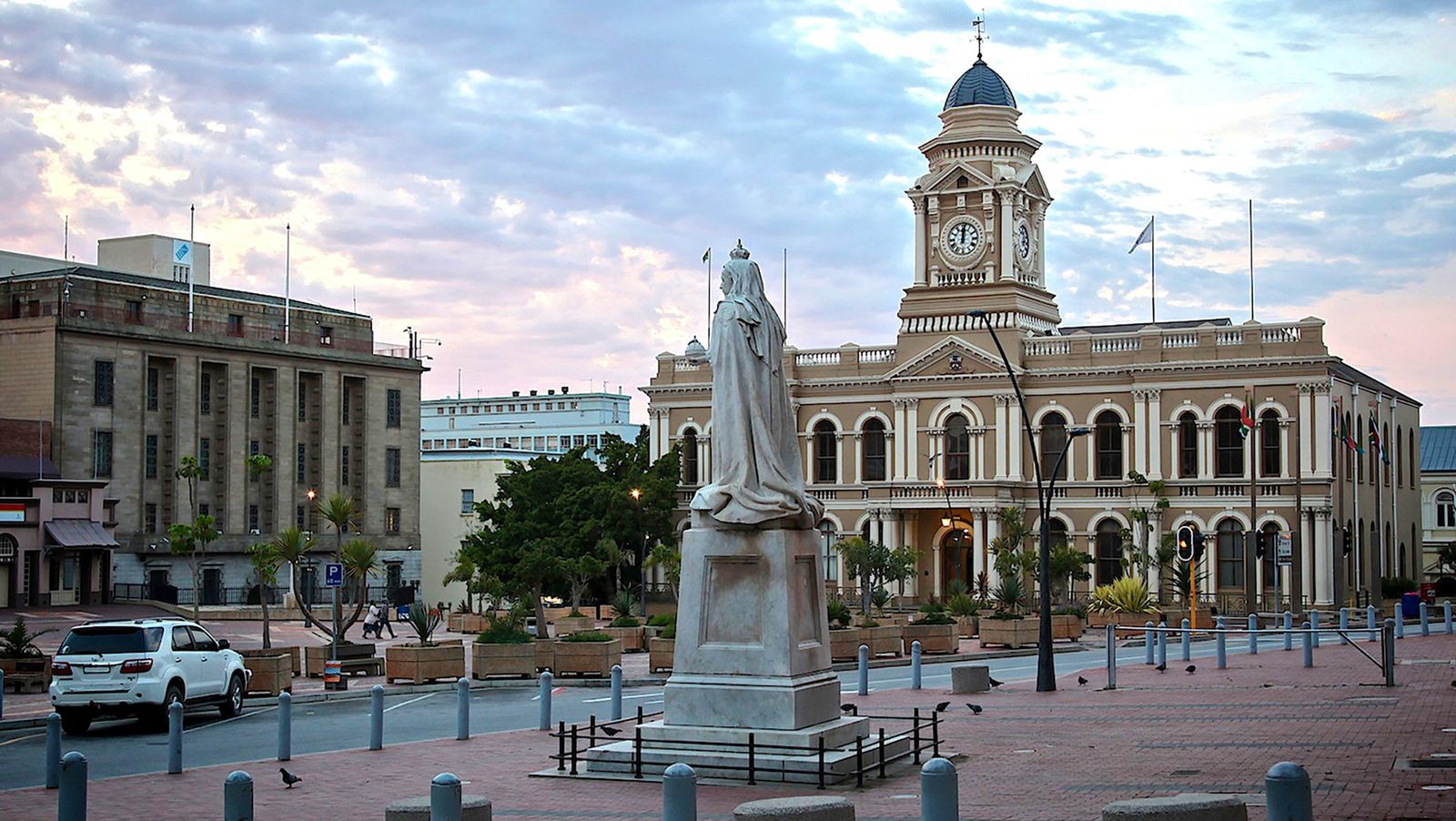
 The Gqeberha City Hall, the headquarters and administrative hub of the Nelson Mandela Bay Metropolitan Municipality. (Photo: Rute Martins / Wikipedia)
In a fiery exchange on Friday afternoon, 5 June 2026, Nelson Mandela Bay mayoral committee member for budget and treasury Khaya Ngqisha instructed the metro’s chief financial officer, Jackson Ngcelwane, not to answer Democratic Alliance questions on the controversial budget, accusing the party of obstructing its approval.
This followed pointed questions by DA councillor Gert Engelbrecht, who accused the metro administration of failing to consult Western Suburbs residents — its largest ratepayer base — during the drafting of the budget and integrated development plan.
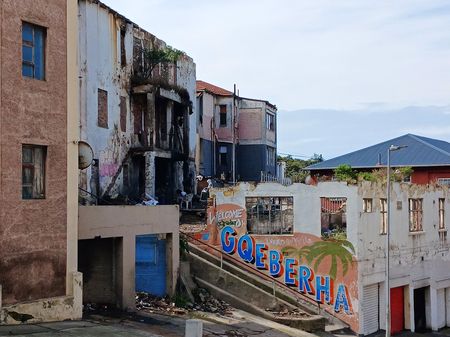
He questioned the metro’s application for a 10.25% electricity tariff increase, pointing to more than R1bn in losses within the department itself. He also asked why the budget made no specific provision for streetlights or new electricity meters.
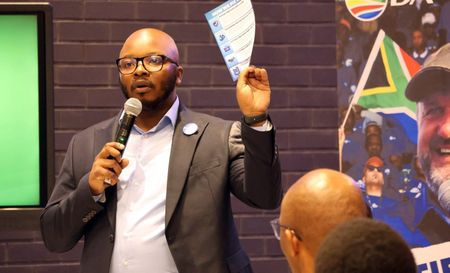
Ngqisha then rose and said the Democratic Alliance “deliberately boycotted” a virtual meeting set for the previous Friday, 29 May, at 6pm. “They were hoping the council would fail in its legal obligations,” Ngqisha said.
/file/attachments/orphans/Khanya1_552794.jpg "Nelson Mandela Bay mayoral committee member for budget and treasury, Khaya Ngqisha. (Photo: Supplied / Nelson Mandela Bay metro)")
DA chief whip Gustav Rautenbach, in turn, accused Ngqisha of being misleading. He said apologies were filed in line with council rules for a 2pm meeting on that Friday, which never took place. “He mustn’t come and lie,” Rautenbach said. Referring to the 6pm meeting, he added: “You can’t just organise a meeting with two hours’ notice.”
Ngcelwane’s responses to councillors then laid bare the metro’s strained financial position.
The budget review report sets out the precarious position the City finds itself in, with one attachment noting that the initial budget was unfunded. Ngcelwane told council that the metro’s low collection rate was its “Achilles’ heel”. He did not provide details on how the budget was turned around from being unfunded in May to now being classified as funded.
In a metro where infrastructure maintenance backlogs are evident, Ngcelwane said that reaching the benchmark of spending 8% of income generated from services such as water and electricity would require a 19% increase in rates — almost double the increase proposed for the coming financial year.
The metro council’s approval of the budget for the next financial year was delayed after Treasury rejected the initial draft as unfunded. Under the Municipal Finance Management Act, budgets must be approved at least 30 days before the start of the new financial year and must be based on realistic revenue projections, cash reserves or capital project loans. Because the original draft did not meet these funding requirements, it could not be recommended to council for approval.
Council will reconvene on Monday in an attempt to pass the budget. Engagement, questions and negotiations continued throughout the weekend at the City’s joint operations centre.
To fund the City’s plans, ratepayers will face steep increases if the budget is approved in its current form:
- An average property rate increase of 5.5%, effective from 1 July;
- An electricity price increase of 10.95%, pending approval from the National Energy Regulator of South Africa; and
- An increase of 6.5% across the board for water, refuse collection and sanitation rates.
The municipality’s projected overall collection rate for the 2026/27 budget year is 76%. However, the budget report highlights that the municipality is struggling with a declining collection rate, particularly across specific service areas, including water and sanitation.
/file/attachments/2984/CFOJacksonNgcelwane_714366_b339ba66dc55599156315213a751123c.jpeg "Nelson Mandela Bay metro’s Chief Financial Officer Jackson Ngcelwane. (Photo: Nelson Mandela Bay Municipality)")
Ngcelwane said on Friday that the City had a 100% collection rate for electricity charges, as they didn’t count losses through illegal connections, for example. Electricity losses in the metro are estimated to be around R1.5-billion. This has resulted in the metro’s budget for purchasing bulk electricity from Eskom being higher than the total revenue it manages to collect from electricity service charges. The electricity service is currently subsidised from property rates.
Water charges collection rates are only at 30.9%, wastewater (sanitation) charges are at 59.3%, and waste management (refuse) charges are at 50.9%. DM
Comments
Scroll down to load comments...