



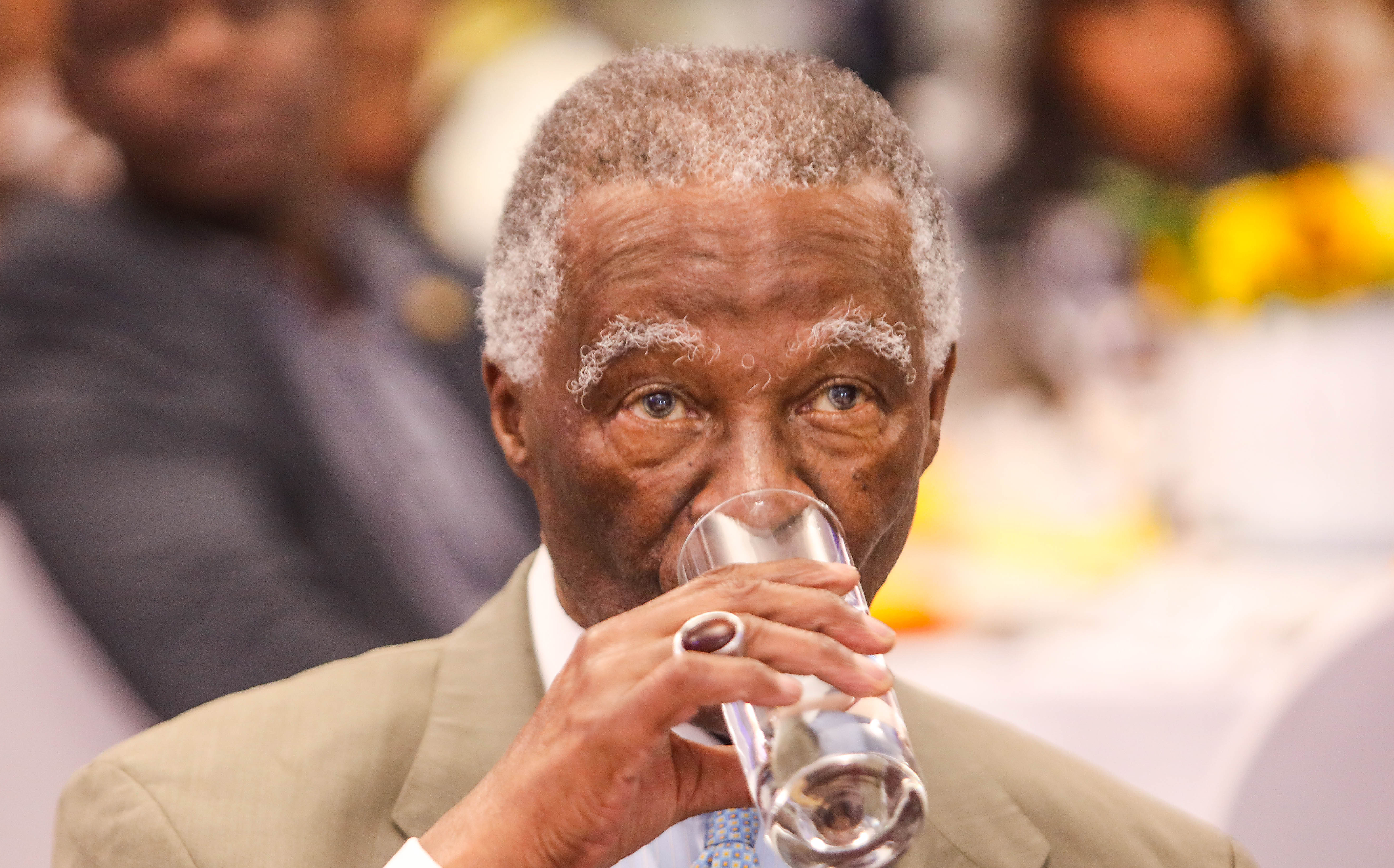
 Former president Thabo Mbeki at the National Youth Entrepreneurship Awards at The Wanderers Club on 10 December 2024 in Johannesburg. (Photo: Gallo Images/Sharon Seretlo)
 Former president Thabo Mbeki, alongside former minister of justice and constitutional development Bridget Mabandla, received summonses on 14 May to appear before the landmark inquiry into delayed Truth and Reconciliation Commission (TRC) prosecutions.
Mbeki has since pushed back, approaching the Gauteng High Court for an urgent order suspending the summons to appear, arguing that the commission is attempting to rush his evidence.
This came while a ruling from the Constitutional Court on alleged “bias” from the inquiry chair, retired Justice Sisi Khampepe, was still outstanding, he added. The matter will be heard in the apex court on 29 June.
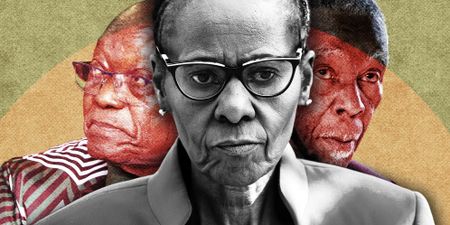
Mbeki has stated that he is not against appearing at the commission but cannot be compelled to do so while the ruling is pending.
However, time is running out as this inquiry – forced into being through years of activism from the families of victims of apartheid-era human rights violations – has only just begun to hear testimony from the executive, and needs to wrap by December.
Former minister of justice Michael Masutha was the first Cabinet minister to appear before the panel last week.
Alleged bias
Earlier this year Mbeki, alongside former president Jacob Zuma, applied for Justice Khampepe to recuse herself over objections to her “impartiality”. Khampepe dismissed these concerns.
/file/attachments/orphans/ED_596613_941072.jpg "Former president Jacob Zuma during at the 2026 State of the Nation Address Debate at the Parliamentary Dome on 18 February 2026 in Cape Town. (Photo: Gallo Images / Ziyaad Douglas)")
President Cyril Ramaphosa joined his predecessors in the action even though it was he who selected Khampepe to chair this landmark commission 30 years into democracy, claiming he was not aware of her background at the time.
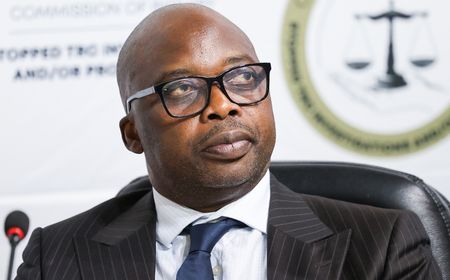
In March, the Gauteng High Court dismissed Zuma and Mbeki’s judicial review application challenging Khampepe’s ruling on her dismissal with a majority judgment, penned by acting Deputy Judge President Thifhelimbilu Mudau.
The ruling noted that Zuma and Mbeki directly attacked “the character and integrity of a retired judicial officer” and that their attempt to distinguish Khampepe’s role as a commissioner and her role as a judge was “illusory”.
Zuma had also complained that Khampepe, while a Constitutional Court justice, had penned the contempt of court ruling which sent him to jail in July 2021, and therefore harboured a bias.
Boulders in the road
Before the attempt to have Khampepe removed, the inquiry was stalled when the Department of Justice and the National Prosecuting Authority (NPA) argued that the evidence leader, advocate Ishmael Semenya, was conflicted due to his past advisory role on the NPA’s TRC prosecution policy
This application was also dismissed before the proceedings finally began in earnest. The panel, consisting of Khampepe, retired Northern Cape Judge President Frans Kgomo and advocate Andrea Gabriel, has sat for more than 50 days hearing evidence.
NPA U-turn
One of the key areas of interrogation of this commission is whether the NPA was subjected to political interference from the executive, stalling the prosecution of apartheid-era perpetrators for over three decades.
The NPA effectively and publicly acknowledged in a 2019 affidavit that it had succumbed to executive and political interference which delayed the prosecution of TRC, including the 1971 murder of activist Ahmed Timol.
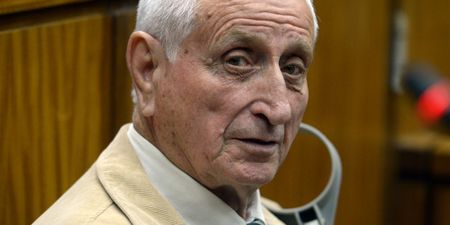
Advocate Torie Pretorius, Senior Deputy Director of Public Prosecutions, in that instance stated, “I do not deny that the National Prosecuting Authority was subjected to political interference and political pressure not to immediately prosecute cases such as the present.”
Pretorius cited testimony from former NPA boss Vusi Pikoli, senior deputy director of public prosecutions in the Priority Crimes Litigation Unit (PCLU) Raymond Macadam, and former PCLU boss Anton Ackermann, that such pressure had taken place.
“The (NPA) does not deny that the executive branch of the State took what one can describe as political steps to manage the conduct of criminal investigations and possible prosecution of the perpetrators of the political murders such as that of Mr Timol,” said Pretorius.
Pikoli has given evidence to the Khampepe Commission that he was subjected to “withering pressure from political forces” – specifically from former justice minister Mabandla, and Selebi – to abandon TRC cases.
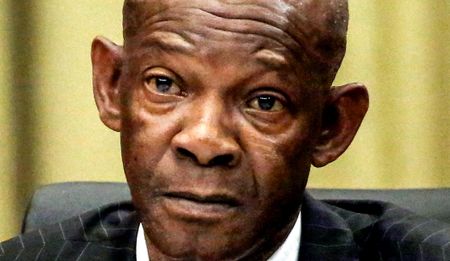
Former NPA head Shamila Batohi testified in April, and also acknowledged her predecessor, as well as other senior NPA officials who claim political interference.
Shifting the blame
It was during the NPA’s cross-examination of former acting National Director of Public Prosecutions, Dr Silas Ramaite, by advocate Yonela Ntloko on 25 May that it became evident that the prosecuting authority had made a soft retreat on the position.
Ntloko represents the NPA and it became apparent during her line of questioning about an alleged unconstitutional “direct order” from Mabandla in 2004 that the NPA’s perspective has hardened.
Ntloko began to focus on the “lack of resistance” from officials, particularly Ramaite, as he had “failed to take documented steps to uphold prosecutorial independence against executive encroachment”.
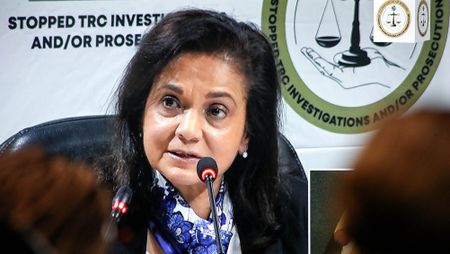
Instead, the NPA sought to probe whether the “institutional failures” Ramaite described were more a “reflection of the inherent complexities of a young democracy grappling with transitional justice”.
Asked by Commissioner Kgomo whether the NPA admitted to political interference, Ntloko replied, “Oh no, the NPA does not know anything about interference, Commissioner Kgomo. I think I should put it on record, we have said this over and over again.”
She responded that her cross-examination sought to establish, “What would happen firstly, if there was interference, we understand that. And then secondly, what would have been the steps? So I cannot, in all fairness, establish interference.”
Daily Maverick sent questions in this regard to NPA National spokesperson Kaizer Kganyago as to whether the NPA has altered its position on this key focus area and will include once received. DM
Comments
Scroll down to load comments...