




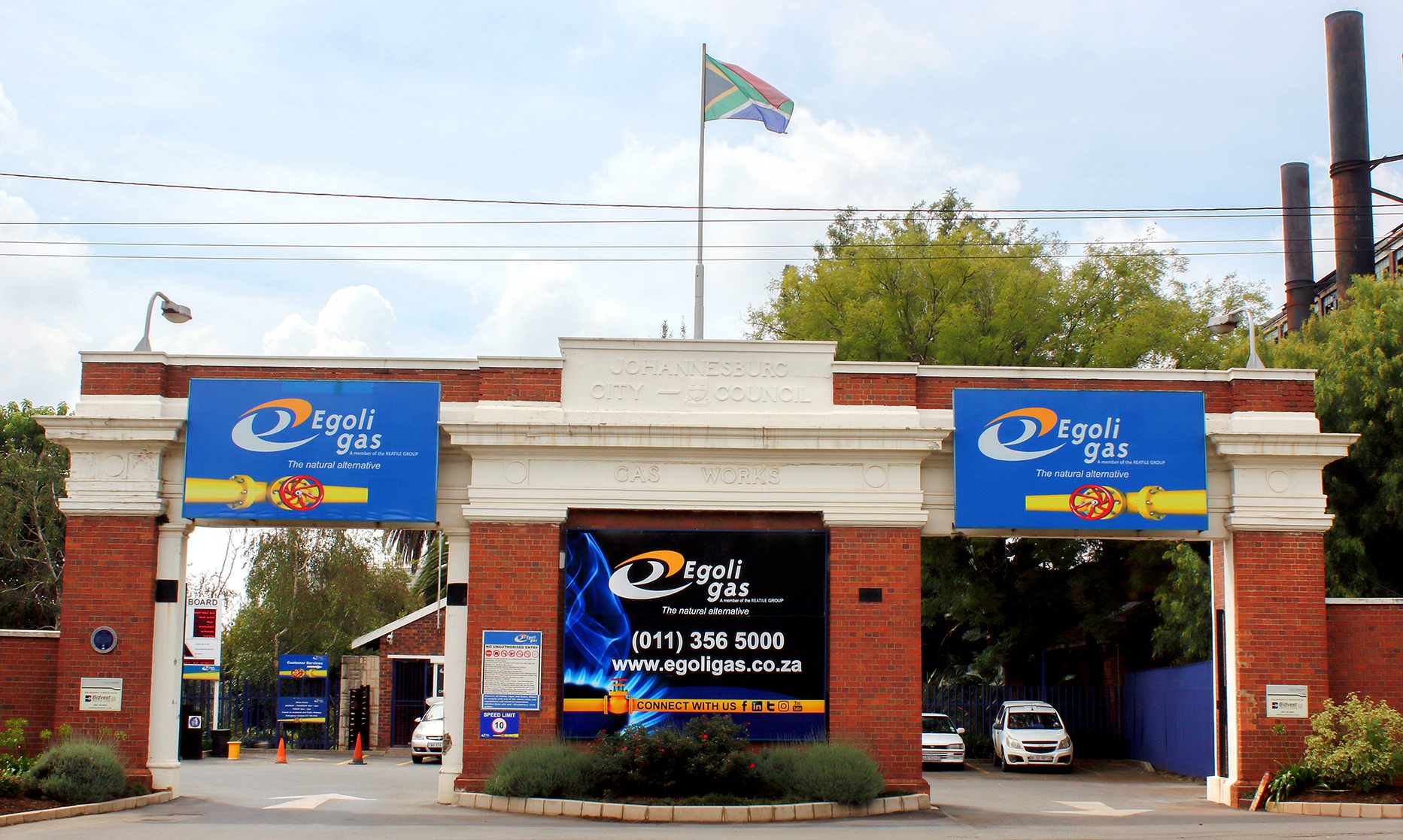
 Egoli Gas has cut off supply to parts of Johannesburg’s inner eastern suburbs, leaving residents with significant conversion costs. (Photo: Gallo Images / Fani Mahuntsi)
Following April’s controversial Egoli Gas cut-offs in parts of Johannesburg’s eastern inner-city suburbs, irate residents are now facing huge conversion costs, with no compensation from the company.
Residents of Yeoville, Bellevue, Berea and Observatory are questioning why the Kensington community was offered R8,000 compensation payments in 2024 while their own communities are being left to absorb on their own thousands of rands in replacement and conversion costs.
Egoli Gas terminated its service to parts of Yeoville, Bellevue, Berea, Observatory and surrounding suburbs in April, citing safety concerns, deteriorating operating conditions, illegal utility connections, tampering, building access constraints, informal settlement activity and elevated crime and security risks.
The shutdown affected thousands of households in these older suburbs, which were historically reliant on piped gas for cooking, heating and hot water. For a typical two-bedroom flat or small house, residents are now facing conversion costs estimated at between R10,000 and R20,000, depending on the appliances involved.
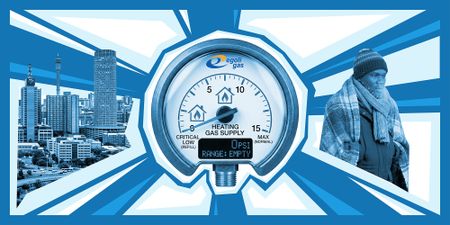
Egoli Gas, a privately owned company and not a municipal entity of the City of Johannesburg, has stated that it does “not accept that there is any automatic entitlement to compensation, conversion assistance or rebates” arising from supply terminations.
But residents in affected suburbs now say they were given little notice and left to shoulder enormous costs as winter approaches.
Costs of conversion
For decades, many older flats in suburbs such as Yeoville, Bellevue and Berea relied heavily on piped gas because it was generally cheaper than electricity for cooking, heating and hot water. Residents say gas geysers and heaters were particularly important during winter and load shedding, while many older buildings also lacked the electrical capacity to support large-scale electric heating and cooking.
While bottled LP gas can still be cheaper to run than full electric alternatives in some cases, residents say the real burden now lies in the upfront conversion costs, with households often forced to spend between R10,000 and R20,000 on new geysers, stove conversions, piping, regulators and installation work.
Reverend Tsepo Matubatuba, part of the leadership of the Yeoville Bellevue Ratepayers and Residents Association, said his own family in Ward 67 had been heavily affected after gas supplies were terminated on 15 April.
/file/attachments/orphans/unnamed1_939551.jpg "Yeoville resident Reverend Tsepo Matubatuba has been affected by the recent gas supply cut-off in parts of Johannesburg. (Photo: Reitumetse Pilane)")
Matubatuba said he had already spent about R15,000 converting his household to a private gas supply after the cut-off.
“I have not had the R8,000 refund they gave Kensington residents. They didn’t tell us,” he said.
“It was a huge thing to carry out the conversion. People who can’t afford this amount of money are suffering. Most are just using gas cylinders, but this gets expensive — especially now with winter setting in.”
He said residents had been given only about one month’s notice before the disconnections.
“It was unexpected and placed a big burden on people,” he said.
Matubatuba said many households in the area had relied heavily on piped gas for daily living.
“Most of our household appliances used gas, like the stove, geysers and heater. We had to spend a substantial amount for infrastructure and appliance conversion to LP gas.”
Major consequences
Some residents and landlords now believe affordability considerations may also have influenced how compensation and conversion assistance were handled.
Syd Halliday, a property investor who owns flats in the Bellevue area, said the writing had effectively been on the wall after Kensington residents lost a court challenge against Egoli Gas in 2024.
Halliday said many buildings in Yeoville, Bellevue and parts of Hillbrow were either hijacked or poorly managed, making it increasingly dangerous and difficult for Egoli Gas to continue maintaining infrastructure and connections in some areas.
But he said property owners who had continued investing in Egoli Gas-compatible systems were now facing major financial consequences.
According to Halliday, Egoli Gas had already forced many owners to replace appliances when the company changed its gas supply system in 2004, and landlords had been required to buy new stoves for multiple rental units.
“Those stoves have now reached the end of their lifespan 22 years later, and replacing them is no longer viable,” he said.
/file/attachments/orphans/unnamed_469312.jpg "Some of property investor Sydney Halliday’s tenants have been affected by the recent gas supply cut-off in parts of Johannesburg. (Photo: Reitumetse Pilane)")
Halliday said Egoli Gas was no longer supplying compatible stoves, forcing landlords to buy commercial replacements costing about R8,000, plus roughly R1,000 for conversion by a gas mechanic.
“It becomes unaffordable to property owners,” he said.
While Halliday understood some of the safety and infrastructure pressures facing Egoli Gas, he said many residents were angered by the way the shutdowns were handled.
“That said, the way Egoli Gas handled it was not good. They announced it in February and eventually disconnected on 15 April.”
He said residents had little hope that the decision would be reversed.
“They won’t change their minds. They have removed the meters, so it is a done deal.”
The latest complaints suggest that growing anger over Johannesburg’s gas shutdowns is increasingly focusing not only on the loss of piped gas itself, but on whether poorer communities were left to carry the financial burden of the transition alone.
The company has previously denied that the shutdown targeted lower-income communities.
“Egoli Gas rejects any characterisation that these decisions are based on income profile or any other improper consideration. Network decisions are made on the basis of infrastructure condition, safety, accessibility, operational sustainability and feasibility,” Egoli Gas told Daily Maverick. DM
Comments
Scroll down to load comments...