




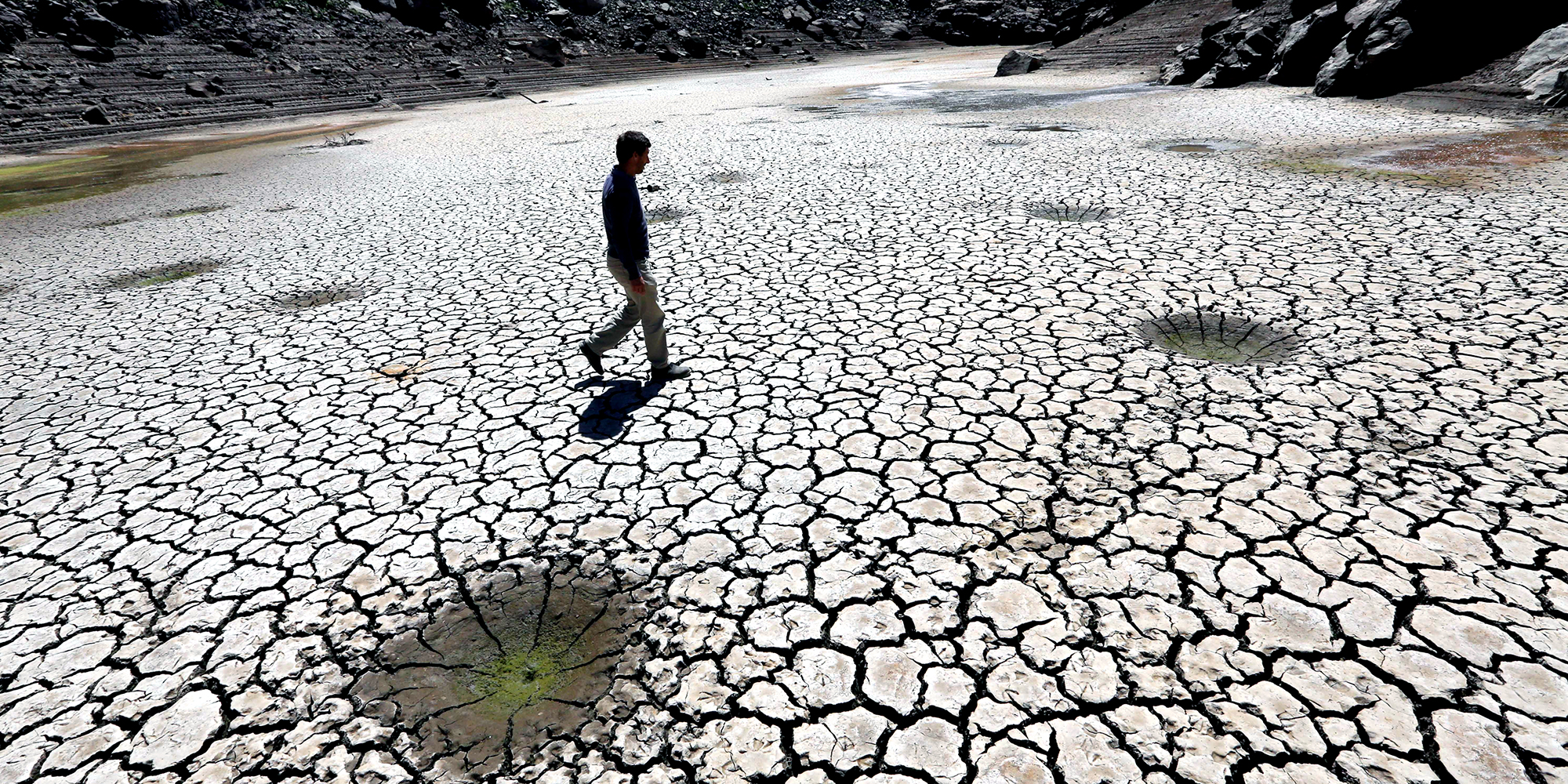
 Illustrative image: The Actuarial Society of South Africa Climate Index, whose data dates from 1981, has shown spikes that have coincided with extreme and costly weather events. (Photo: Esa Alexander / The Times / Gallo Images)
US government forecasters have dramatically raised the prospects of the El Niño weather pattern emerging in the coming weeks and lasting for most of the southern hemisphere summer, a chilling projection that portends potentially blazing droughts for South Africa and the wider region.
“El Niño is likely to emerge soon (82% chance in May-July 2026) and continue through northern hemisphere winter 2026-27 (96% chance in December 2026 to February 2027),” the US Climate Prediction Centre – a unit of the National Oceanic and Atmospheric Administration – said in its latest update on this front.
This represents a massive shift from its April forecasts that saw a 61% chance of El Niño forming in this timeframe, and the bottom line is that the projection is now almost set in stone.
El Niño arises from the warming of surface sea temperatures in the equatorial Pacific and has a varied impact on climate across the global stage. In southern Africa it almost always heralds low rainfall and high temperatures, and the last such event left a trail of misery and hunger across the region in its wake, notably from poor harvests of the staple maize crop.
And the timing of this El Niño event – unfolding at a rapid pace after the fading of its polar opposite La Niña, which typically drenches this region – could hardly be worse as it is looming against the backdrop of surging fuel and fertiliser prices triggered by the almost three-month long Iran conflict.
South African consumer inflation accelerated in April to 4.0% on a year-on-year basis from 3.1% in March, and is seen hitting 5.0%, paving the way to painful interest rate hikes. Food inflation, currently benign, will almost certainly soar in the face of the combination of the fallout from the Iran conflict and the droughts that El Niño may unleash.

And for the wider region, the prospect of crop failures and rising hunger will coincide this time round with devastating cuts to aid budgets among advanced economies, notably but not exclusively in the US under the uncaring Trump administration.
A massive humanitarian crisis could be in the offing in countries in the region that rely heavily on rain-fed, subsistence agriculture such as Malawi, Zambia and Mozambique. And the grim reaper’s scythe has been sharpened by the gutting of the President’s Emergency Plan for Aids Relief (Pepfar), the US aid programme credited with saving tens of millions of lives.
One of the overlooked consequences of this callous move is the impact it will have on the region’s rural labour force. Subsistence farming is hard work and the resurgence of a disease burden that had been largely lifted by Pepfar measures will probably further dent yields and harvests.
In short, a perfect storm of calamity is brewing from this frothy mix of geopolitics and extreme weather.
Godzilla event
This is all grim stuff, and to top it all off are warnings about the alarming prospect that this could be a “Super El Niño”, which some forecasters and commentators have dubbed “Godzilla El Niño”.
It must be said that the chance of this monster rising out of the Pacific is not a sure thing. The National Oceanic and Atmospheric Administration has pegged the chances of a very strong El Niño at one in four, and the forces of human-induced climate change are swirling in the background.
“There is no evidence that climate change increases the frequency or intensity of Niño events. But it can amplify associated impacts because a warmer ocean and atmosphere increases the availability of energy and moisture for extreme weather events such as heatwaves and heavy rainfall,” the World Meteorological Organization said last month.
Climate change and El Niño in tandem is a blazing combination.
“The year 2024 was the hottest on record because of the combination of the powerful 2023-2024 El Niño and human-induced climate change from greenhouse gases,” the organisation pointedly noted.
This Godzilla will be far more menacing and destructive than the creature that has been a sci-fi cinematic staple for decades. DM
Comments
Scroll down to load comments...