



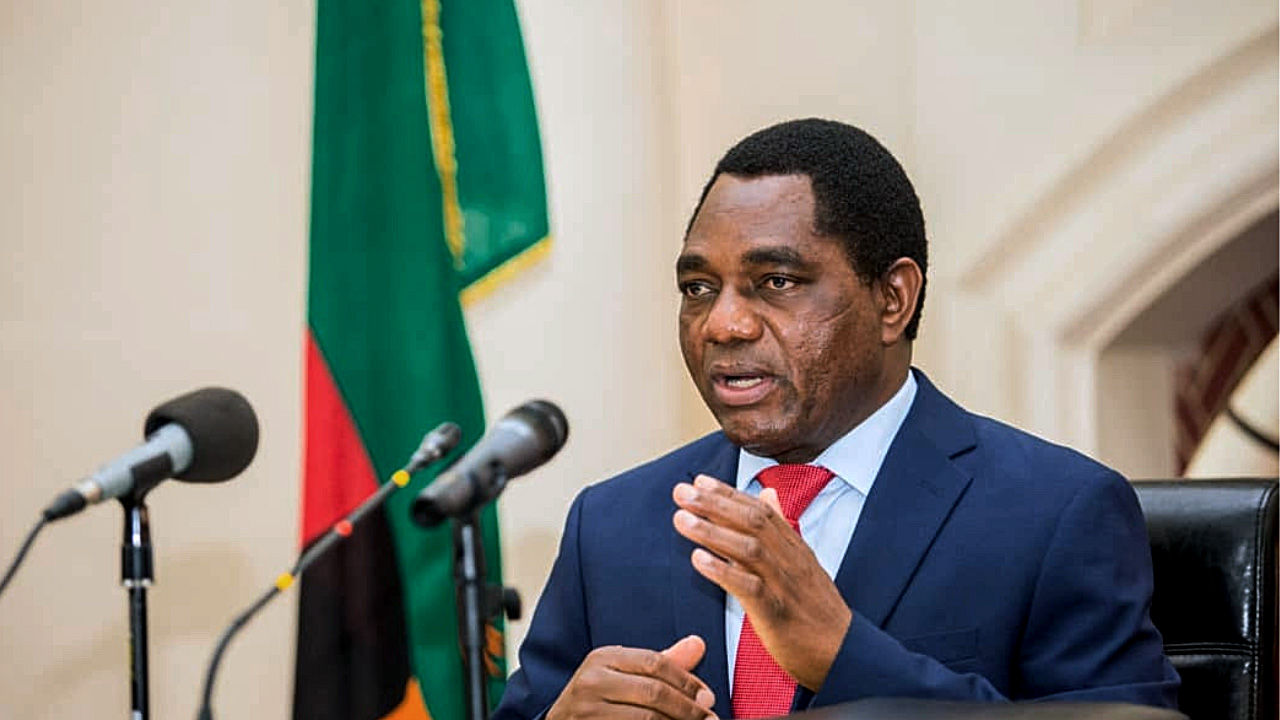
 Zambian President Hakainde Hichilema. (Photo: @HHichilema / Twitter)
The world’s largest digital human rights summit, due to meet for the 15th year and in southern Africa for the first time on 5-8 May, was derailed when Zambia pulled the plug as delegates were already en route to Lusaka. Zambia cited a need for “comprehensive disclosure of critical information”, but organisers Access Now pointed to Chinese interference; in particular, the planned presence of Taiwanese delegates. We pick up on developments in this Q&A with Access Now.
What has been the response so far to your survey request, ‘What comes next?’
A record-breaking 1,400 people have responded to our survey. We’re still gathering and analysing that feedback, but the level of engagement does give us an indication of the importance of RightsCon continuing. We’ve also mapped the impact of RightsCon not moving forward on our website and are both humbled and energised by the support and solidarity from around the world. – Director Nikki Gladstone (NG)
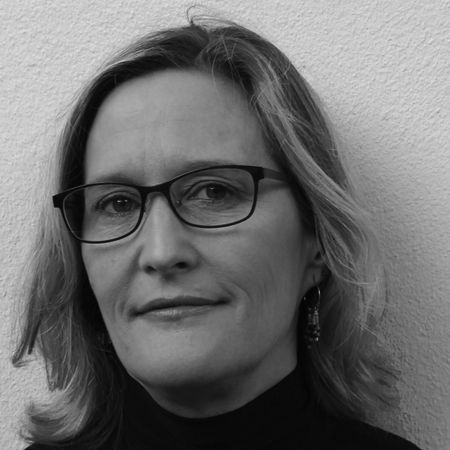
/file/attachments/orphans/NikkiGladstone_543101.jpg "Nikki Gladstone.
<br>(Photo: Supplied)")
(Photo: Supplied)
How has the RightsCon cancellation affected Access Now’s digital rights agenda and priorities?
RightsCon has historically been an opportunity, not just for Access Now, but for the wider digital rights community to gather, exchange ideas, build and maintain relationships, strengthen our work, and exchange important knowledge, especially with the increasingly shrinking civic space. It’s a significant financial and opportunity loss, but our community is resilient, and we continue to adapt and find meaningful ways to have the conversations we intended to have at RightsCon. – Senior Policy Analyst Bridget Andere (BA)
What does this act of censorship mean for digital rights in Africa and the Global South, where the Global North dominates influence?
It cements what we have known for a while now: human rights and civic space are under immense pressure. This was a blatant attack on the freedoms of expression and association – rights that have been consistently targeted globally, both legislatively and extrajudicially. The cancellation of RightsCon and the circumstances that led to it are not just an African or Global South issue; they are a reflection of where the world is with regard to human rights. It is existential for all of us. Intended RightsCon participants [2,600 in-person and 1,100 online delegates from 150+ countries] have lost useful resources to this cancellation, from financial resources to opportunity costs. Civil society in the Global Majority have always had to adapt and take complex routes for our wins, so while disheartening and destabilising, it will not stop the resilience of the community. It is an opportunity to learn, advocate for better standards, and find ways to make sure this does not become the norm. – BA
Unesco’s World Press Freedom Day event in Lusaka was downgraded, though it went ahead, as did other events planned alongside RightsCon, with some withdrawing in solidarity. Was it understandable for some events to go ahead?
We coordinated closely with Unesco in the lead-up and understand that they have a duty to their own community. – NG
You stated that *interference from China was behind Zambia’s decision. Are you closer to understanding why you weren’t informed until just five days before, and without warning? For instance, if Taiwanese delegates weren’t attending in person, would the event have proceeded? (One would imagine there was prior awareness of Taiwanese involvement, with RightsCon 2025 having been hosted in Taipei.)
We had open lines of communication with the government of Zambia in the lead-up, sharing regular updates about the community joining us and the programme we would be hosting. The timing, for us, points to external pressures, otherwise we believe these issues would have surfaced earlier. We haven’t received any additional information and still have open questions, making it difficult to speculate about alternative outcomes. – NG
What geopolitical leverage does China hold over Zambia?
No comment.
Does the censorship set a precedent for other countries to kowtow to China – or to other powerful nations – due to geopolitical interests?
Sovereignty will remain malleable for some as long as infrastructure or development is controlled by a few. It forms a basis for continued transnational repression for individuals caught in the middle, and creates an environment where the interests of the people under a particular government are not appropriately prioritised. – BA
/file/attachments/orphans/BridgetAndere_145897.jpeg "Bridget Andere.
<br>(Photo: Supplied)")
(Photo: Supplied)
How can such high-handed interventions be countered in the future without resorting to self-censorship?
It would be unfortunate to characterise this simply as self-censorship; the nuance of the situation must be considered. The decision not to go ahead with RightsCon in Zambia was a carefully considered one to ensure the protection of our community and the hard-fought values we espouse. The government of Zambia, facing foreign pressure, essentially pulled the plug on RightsCon. The circumstances meant… we could no longer guarantee an engagement grounded in good faith. As for how to handle these kinds of interventions in future, we will continue to demand accountability and handle our engagements transparently. Our statement is a continued step toward that, and so is the community’s response. – BA
The US has dominated global digital data and tech power. Where does China fit in [with massive infrastructural outlay in Africa]?
No comment.
The Media Freedom Coalition and Freedom Online Coalition were among member state groupings that condemned Zambia’s intervention, but apparent silence from the African Union and SADC. Is the silence a concern, or expected?
While we were in touch with the African Union in the lead-up to RightsCon, we hadn’t confirmed their participation. The Media Freedom Coalition and Freedom Online Coalition are longstanding partners with a deep understanding of the convening and the impact of its loss. We will continue to engage with the AU and other regional bodies. – BA
* Zambia has not confirmed any link to external influences, only that RightsCon was postponed to “ensure full alignment with Zambia’s national values, policy priorities and broader public interest considerations”. DM
Janet Heard is contracted to the Centre for Information Integrity in Africa (CINIA).
Comments
Scroll down to load comments...