



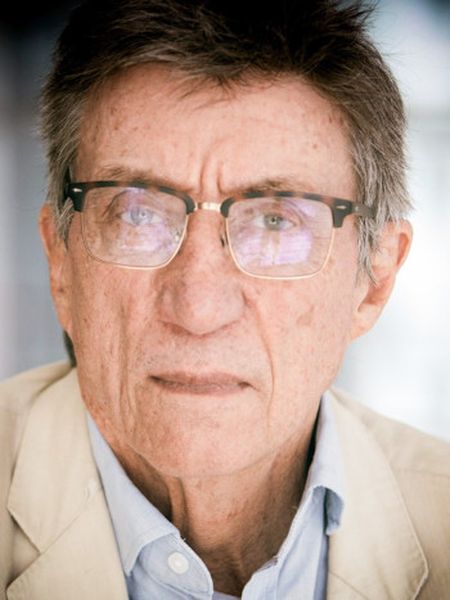
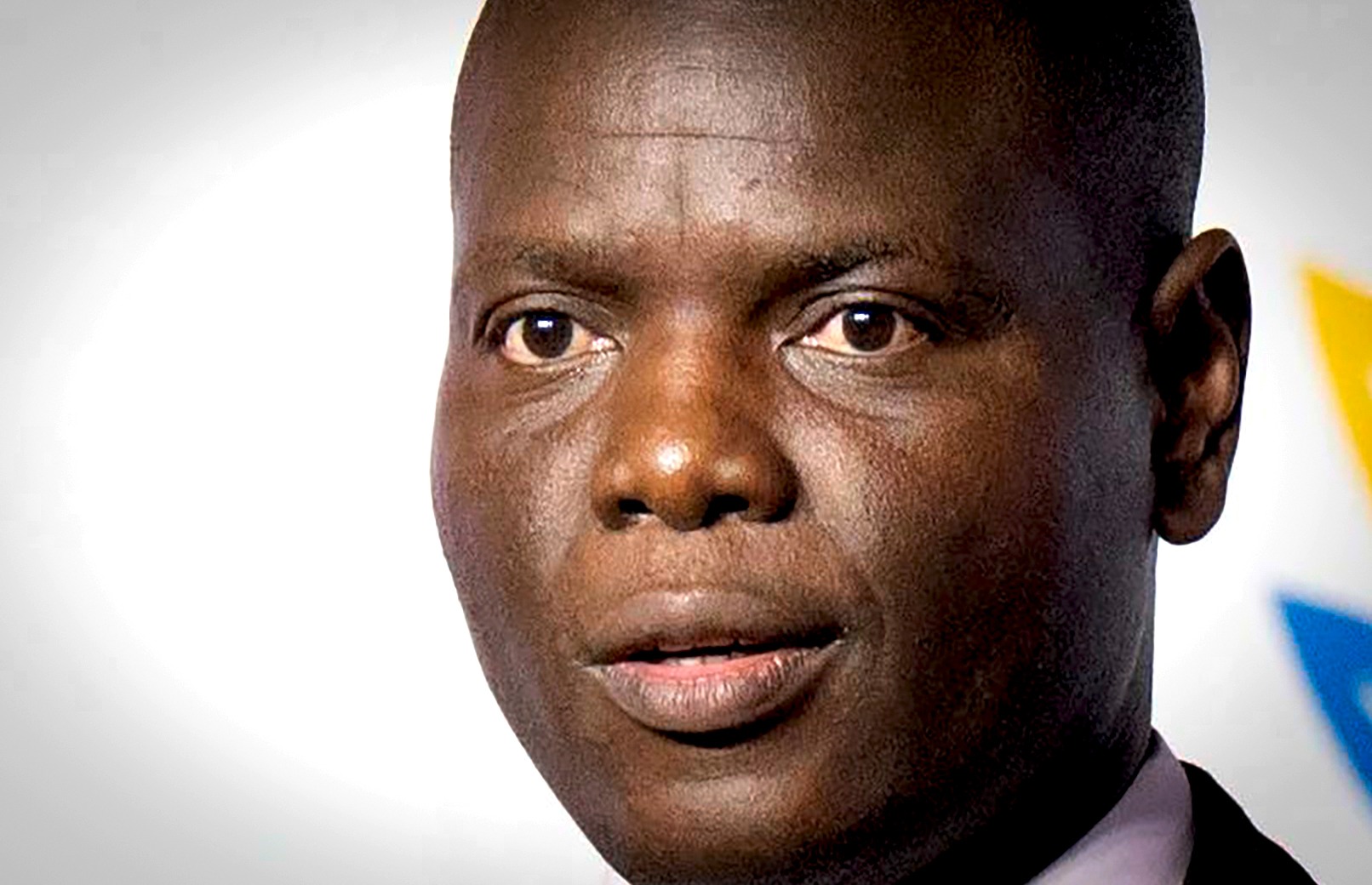
 Minister of International Relations and Cooperation Ronald Lamola has welcomed the opportunity for SA to defend itself against claims of xenophobia. (Photo: Deaan Vivier / Gallo Images / Beeld)
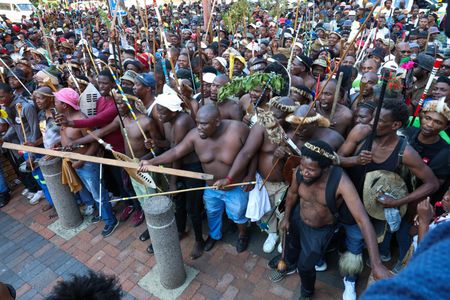
Ghana has asked the African Union (AU) to address “xenophobic attacks” in South Africa, as Pretoria battles to manage the continental fallout from protests and hostility towards other Africans.
Ghanaian Foreign Minister Samuel Ablakwa posted on X on Thursday that he had written to the AU requesting that the xenophobic attacks in SA targeted at other African nationals should be discussed at a summit in Egypt from 24 to 27 June.
He said the xenophobic attacks clearly violated the African Charter on Human and Peoples’ Rights to which South Africa was a state party. They also ran counter to the spirit of Pan-Africanism and to the objectives of the African Continental Trade Area, which sought to promote free movement, reduce barriers “and foster a common market to the benefit of all Africans”.
The Government of Ghana has formally written to the African Union requesting that the South African xenophobic attacks targeted at Africans be placed on the agenda at the upcoming Mid-Year Coordination Meeting to be attended by Heads of State and Government. pic.twitter.com/sIuVPfPAe2
— Sam Okudzeto Ablakwa (@S_OkudzetoAblak) May 7, 2026
International Relations and Cooperation Minister Ronald Lamola said on Thursday that although his government had been surprised by Ablakwa’s move, it welcomed the opportunity for South Africa to put forward its case.
“We welcome it because we believe it will also give us that platform to deal with the push and pull factors of irregular migration in the continent, because, as South Africa, we are the net receiver, the highest receiver of irregular migration, followed by Ivory Coast and others.
“So there is a need to deal with the root cause, particularly the economic factors that remain important. So we can deal with the issue in a comprehensive manner,” said Lamola.
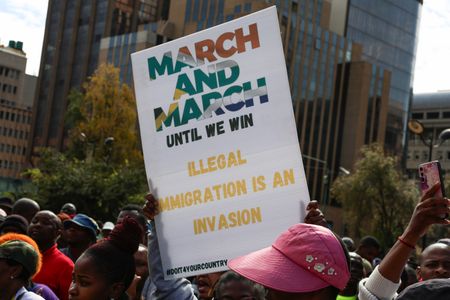
“There is no way you can deal with migration without dealing with the root cause of the challenge,” he added. He said the “push factors” that prompted people to leave their home countries to migrate to South Africa would have to be taken into account. Elsewhere, the government has identified these push factors as poor political and economic governance.
Lamola agreed that the chorus of protests or complaints by other countries against xenophobia in South Africa — including from Ghana, Nigeria, Mozambique and Lesotho — had damaged South Africa’s relations with those countries and hurt its reputation further afield.
“Yeah, it does undermine our foreign policy, particularly our human rights outlook, but you have to deal with it in reality, in its context, because some of these videos that are shared on social media that are creating a narrative and a perception against South Africa are not real, it’s fake news.
“Some of it did not happen here in South Africa. It happened somewhere else, and some of it is the recycling of some old videos. In the current wave, there has not been any brutal murder of anyone.”
Lamola said the government had investigated but found no evidence for the charge, which had been put to him in a phone call by Nigerian Foreign Minister Bianca Odumegwu-Ojukwu on Monday, that two named Nigerian nationals had been killed by South African security forces.
/file/attachments/orphans/GettyImages-2211431108_353975.jpg "Bianca Odumegwu-Ojukwu, Nigeria's minister of state for foreign affairs. (Photo: Ernest Ankomah / Getty Images)")
Nigeria’s acting high commissioner to SA, Alexander Ajayi, was also reported to have denied that any Nigerians had been killed.
Lamola said Pretoria could likewise find no evidence for the complaint by Ghana that two of its nationals had also been killed in SA.
“So it’s a narrative also driven by fake news.”
‘SA must deal with reality’
Nonetheless, Lamola said that although no one had been murdered in the latest wave of xenophobia, “We have to deal with the reality … that there is some of it that is real.
“We have seen the groups that have gone into hospitals to chase people on the basis that they are foreign nationals, not allowing the hospitals themselves to deal with the issue.”
Something similar had happened in schools.
/file/attachments/orphans/ED_564639_793397.jpg "Operation Dudula members outside Braamfischer Clinic in Soweto on 16 July 2025 check the passports and IDs of those wishing to enter the clinic. (Photo: Fani Mahuntsi / Gallo Images)")
“They deal with the issue of criminality and law enforcement and all that. So that is where the lapse is. There should be no one who takes the law into their own hands. The police have to address the matter.”
That applied even to foreigners who were illegally in SA, “or it becomes a witch-hunt”, Lamola stressed.
“And that’s why we call for calm and restraint from South Africans, that any issue related to illegal immigration should be left to the enforcement.
“Our own economy has been built on the basis of a migrant labour system. So all economies across the globe do rely in some way or the other on immigrants, but properly documented, legalised, and properly identified in terms of the skill set.”
Lamola said it was against this background that the Cabinet had decided to increase the budgets of the police, the Border Management Authority (BMA), labour inspectors and other agencies to give them the capacity to enforce the laws.
He recalled that President Cyril Ramaphosa had already announced the appointment of about 10,000 immigration officers, including labour inspectors, and that the BMA had been given the budget to acquire the technology, including drones and boats, to be able to better manage the borders.
Lamola said the government would also now implement an early warning system on xenophobic violence that had been signed some time ago with the Nigerian government. This would help both governments by sharing information so they could act on reliable data and information, “and not be swayed by misinformation”.
Roelf Meyer’s appointment
On another issue, the troubled relations with the US, Lamola said the process of getting Washington’s approval for the appointment of Roelf Meyer as South Africa’s ambassador to the US would soon be concluded. He said he foresaw no problems there.
/file/attachments/orphans/PeterTori-Roelf-Ambassador_104985.jpg "SA’s ambassador-designate to the US, Roelf Meyer. (Photo: Felix Dlangamandla / Netwerk24)")
Lamola said SA’s domestic issues that bother the Trump administration were longer-term matters that should be addressed separately from the trade negotiations between the Department of Trade, Industry and Competition and its US counterpart.
He emphasised that internal matters — such as Black Economic Empowerment, land expropriation without compensation, the “Kill the Boer” song and the security of white farmers — must be addressed locally. “These are issues we have to deal with domestically,” he stated.
He said there was a process that was already ongoing through South Africa’s courts, including the Constitutional Court, to deal with such issues. However, he added, these issues “need continuous engagement between ourselves and the American embassy here … to find a targeted and well-processed way to handle [them]”.
Asked whether compromise was possible on those issues, he said, “At this stage, we really can’t say.”
BRICS, Iran and the UAE
Lamola is travelling to India next week for a ministerial meeting of the BRICS bloc. Daily Maverick asked if BRICS was likely to take a stand on the US and Israel’s war on Iran, since Iran is a member of the bloc and so is the United Arab Emirates (UAE), both of which are on opposite sides of the conflict.
“Yes, I mean, BRICS will have to discuss all issues affecting the globe, including its own membership. So it will definitely be discussed. Obviously, there are differences. It’s the nature of these types of platforms, but we will be arguing for us to reach some kind of amicable resolution on the matter,” he said.
“We will always encourage dialogue between the UAE and Iran, even within the BRICS platform. If they are able to engage in that platform, and they can be able to find each other, so be it.”
He noted that the Middle East conflict would “obviously top the agenda” at the meeting. DM
Comments
Scroll down to load comments...