




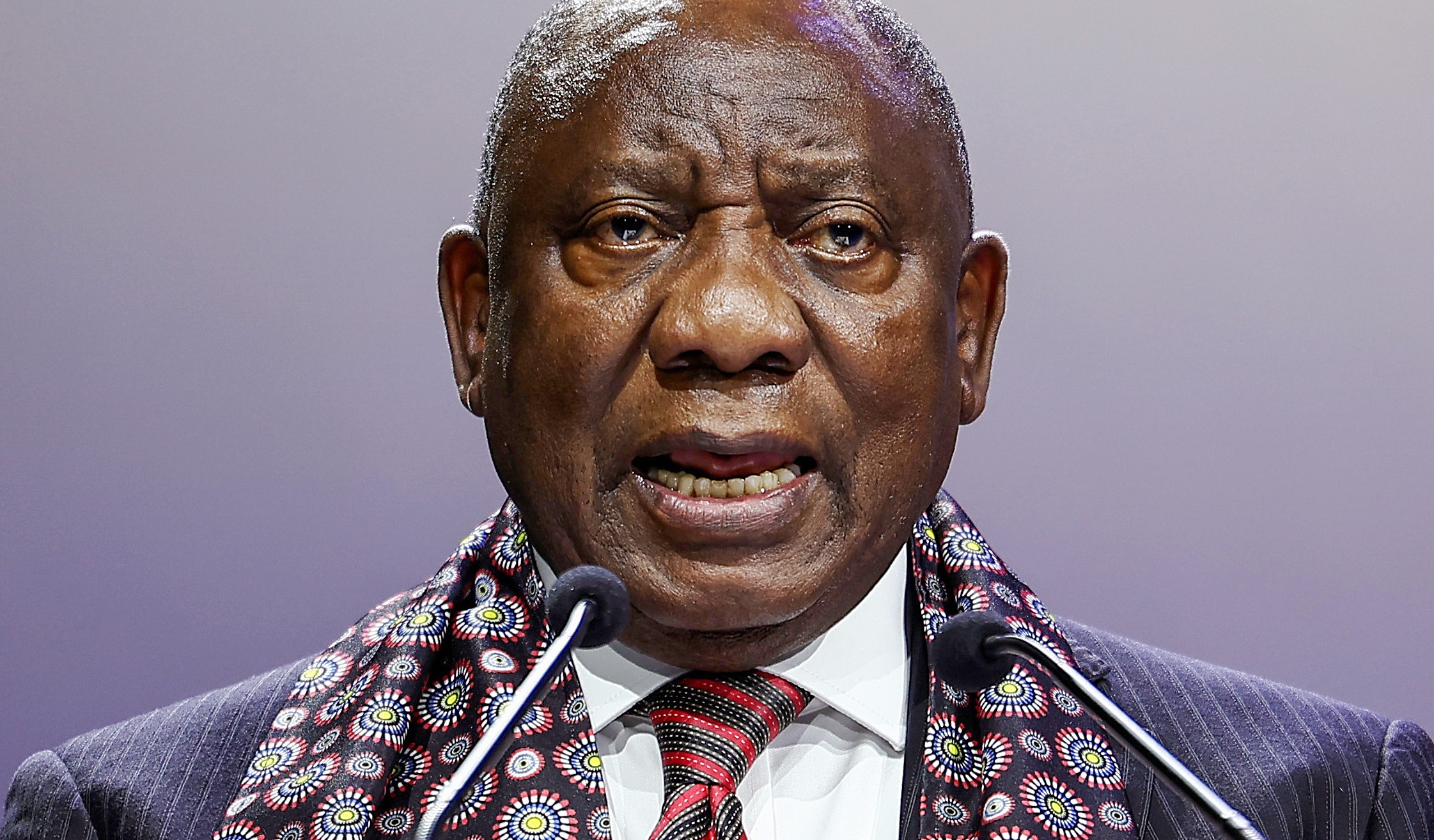
 South African President Cyril Ramaphosa at a summit on the Global Fund on 21 November 2025 in Johannesburg. (Photo: Henry Nicholls - WPA Pool / Getty Images)
South Africans will go to the polls in the local government elections on Wednesday, 4 November 2026.
The election date was announced by President Cyril Ramaphosa during his closing remarks at an extended Presidential Coordinating Council (PCC) meeting at the Birchwood Hotel, in Ekurhuleni, on Thursday. He made the announcement following consultation with Minister of Cooperative Governance and Traditional Affairs Velenkosini Hlabisa.
The elections had to happen between 2 November 2026 and 31 January 2027. They are expected to entrench coalition politics in many of the country’s metros, where the ANC continues to struggle, with Gauteng’s three metros, and particularly Johannesburg, emerging as key battlegrounds.
Last month, the Electoral Commission of South Africa (IEC) said that the first voter registration weekend would take place on 20 and 21 June 2026.
Online registration is currently open. The only official online voter registration portals are: RegisterToVote.org.za or www.elections.org.za.
IEC chief electoral officer, Sy Mamabolo, previously reminded all South Africans who are eligible to vote to register where they ordinarily reside.
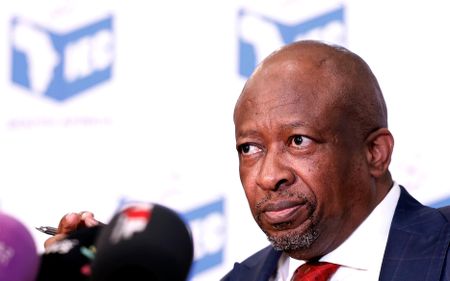
He said that a gargantuan total of 508 political parties were registered for the municipal elections.
Water crisis
South Africa’s water crisis has emerged as a key issue in the run up to the polls. In areas such as Knysna, Johannesburg and Durban, ageing infrastructure, weak governance, and poor oversight are drivers of major water losses, at huge cost to taxpayers, reported Daily Maverick’s Lerato Mutsila.
If you extrapolate to the rest of the country, water is the new load-shedding. (BusinessTech reported that water outages have actually replaced load-shedding as the biggest public service issue reported on the EskomSePush app.)
During his opening speech on Thursday, Ramaphosa said a “significant portion” of the PCC meeting’s agenda was dedicated to addressing the crisis in the provision of water and sanitation services that “affects almost every municipality”.
“We are familiar with the main reasons for the growing frequency and extent of water disruptions,” he said.
“These include ageing infrastructure, illegal connections, inadequate metering, weak monitoring, poor maintenance and institutional instability… This crisis did not emerge overnight and it will not be resolved by any single intervention. We need a range of actions addressing critical areas of failure.”
The water crisis and other issues such as crime and corruption, unemployment and municipal infrastructure failures have also emerged as the biggest factors alienating South Africans from politics and politicians.
A recent Ipsos survey released in March determined that if an election were held the next day, the “party” with the biggest vote would be the “no-vote” party. Most South Africans want to vote, according to Ipsos, but feel estranged from political parties even though there are more than 500 to choose from. DM
/file/attachments/orphans/poll-latest-ipsos_233580.jpg)
Comments
Scroll down to load comments...