



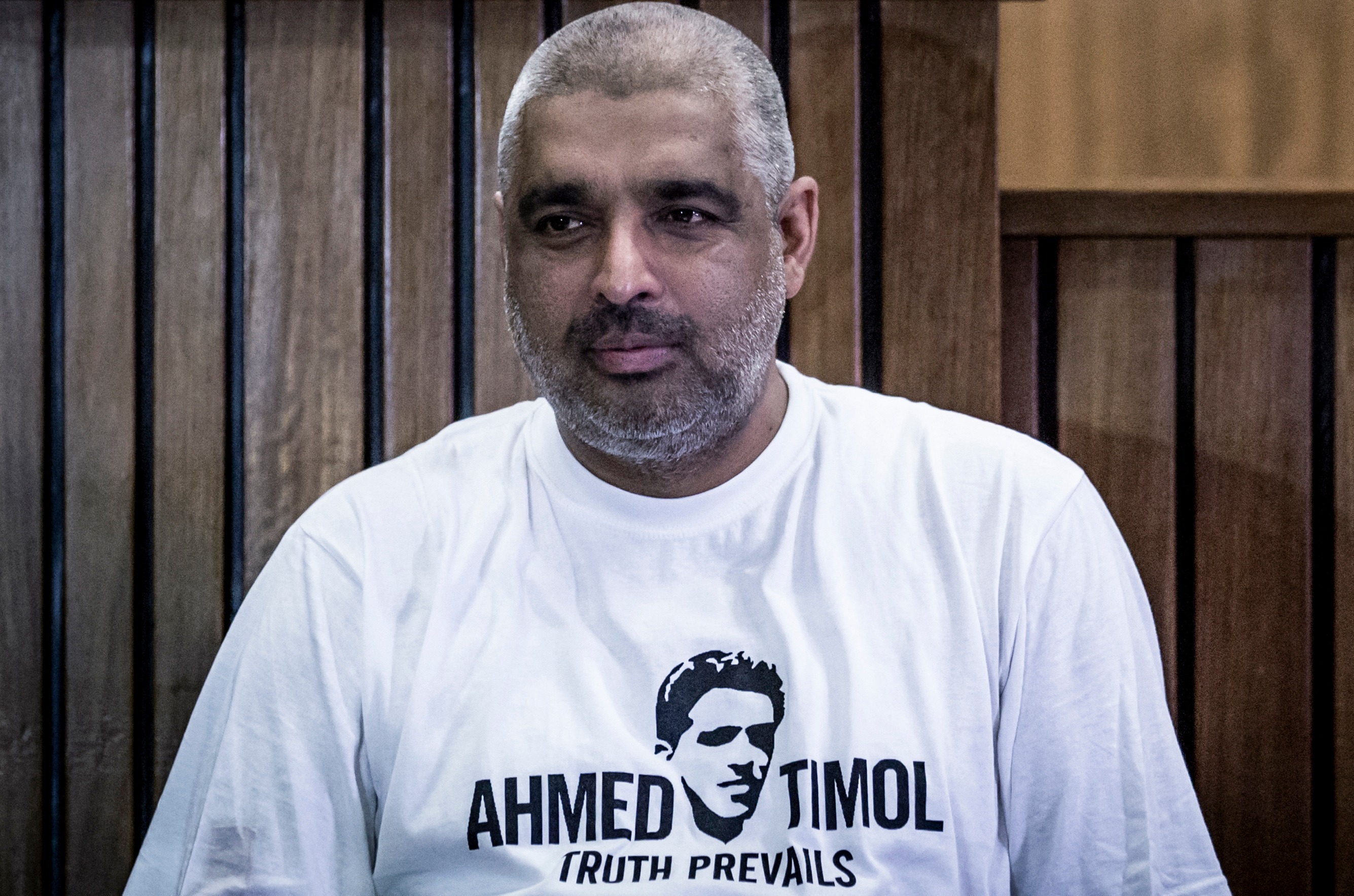
 Imtiaz Cajee, nephew of anti-apartheid activist Ahmed Timol, during a press conference after the High Court judge ruled on 12 October, 2017 that police murdered Timol while in police custody in 1971. (Photo: GULSHAN KHAN / AFP)
 Ahmed Timol, a 29-year-old anti-apartheid activist and schoolteacher, was the 22nd person to die in police detention since the introduction of “detention without trial” laws in 1963. No one has ever accounted for his murder.
On Thursday, testifying at the Khampepe Commission of inquiry into delayed Truth and Reconciliation Commission (TRC) prosecutions, Timol’s nephew, Imtiaz Cajee, retracted previous statements he had made that there had been political interference in TRC prosecutions.
“I believed the narrative of advocate [Vusi] Pikoli [National Director of Public Prosecutions], [Anton] Ackermann [head of the Priority Crimes Litigation Unit (PCLU)], [Ole] Bubenzer [author of Post-TRC Prosecutions in South Africa: Accountability for Political Crimes after the Truth and Reconciliation Commission's Amnesty Process] and Schmidt [author of Death Flight]. I accepted it,” he told commissioners.
Lukhanyo Calata, son of Fort Calata, one of the Cradock Four activists who were kidnapped and murdered by apartheid security police, along with 25 other families of victims of apartheid atrocities, has claimed that a “secret”, behind-the-scenes agreement between the ANC government and former apartheid generals had stalled TRC investigations and prosecutions.
‘Deliberate ineptitude’
Cajee said he had revised his opinion since watching the Khampepe Commission from the start, and fingered former Senior Deputy Director of Public Prosecutions advocate Torie Pretorius, Ackermann and his PCLU colleague Chris Macadam of deliberately sabotaging TRC cases.
“It was deliberate ineptitude,” Cajee told the panel, adding, “when I look at all of this, this is deliberate conduct on the part of individuals aligned to the apartheid era regime.”
If Pikoli, Macadam and Ackermann had been pressured politically, “They should have lodged criminal charges of defeating the ends of justice”.
“They had a moral obligation to do so,” he added.
Pikoli was appointed in 2005 after the inaugural NPA head, advocate Bulelani Ngcuka, resigned in July 2004 (Dr Silas Ramaite kept the seat hot in the meantime) before being officially fired in 2009.
Ngcuka, Pikoli, Ackermann and Ramaite have all given evidence of instructions from then Minister of Justice Bridget Mabandla to place a “moratorium” on TRC prosecutions pending deliberations of an “outside body”, the Amnesty Task Team (ATT), which consisted of directors general of several departments.
“As seasoned prosecutors, they should have been very familiar that if someone interfered with their duties what would they do,” Cajee said.
Lifelong quest
Cajee, who is employed by the State Security Agency, has spent his life seeking the truth about and to set right the record with regard to the horrific death of his uncle, as well as helping other affected families.
In 2020, he published The Murder of Ahmed Timol – My Search For the Truth, setting out years of activism, investigation and pressure for the perpetrators to face accountability.
In 2017, Judge Billy Mothle in the North Gauteng High Court, after the reopened inquest into Timol’s death, found that the underground member of the banned South African Communist Party (SACP) and the ANC had been murdered by security police, and had not committed suicide as a previous inquest had found.
No one came forward to ask for amnesty at the TRC for Timol’s murder. Cajee explained to commissioners his vow to his grandmother, Howa, before her death – she pleaded with the TRC for the truth about her son – that he would continue the battle.
It has taken him more than four decades, he told the panel.
/file/attachments/orphans/Shaun-apartheidCrimes-inset_538411.jpg "Ahmed Timol was a young schoolteacher in Roodepoort who opposed apartheid. He was arrested at a police roadblock on 22 October 1971, and died five days later. He was the 22nd political detainee to die in detention since 1960. (Photo: www.ahmedtimol.co.za)")
Scot-free
Security policeman João Rodrigues, a clerk who was the state’s key witness in the 1972 inquest and the last person to see Timol alive, was called to give evidence at the second inquest in 2017.
After the finding that Timol had been murdered, a warrant of arrest was issued for Rodrigues, who was later to be charged with murder and defeating the ends of justice. The then 80-year-old fought for a stay of prosecution, a process which enraged Cajee.
Rodriques died in 2021 without ever accounting for his role. The security policemen directly implicated in the murder, security branch captain Johannes Hendrick Gloy and Johannes Zacharias van Niekerk, died before facing justice.
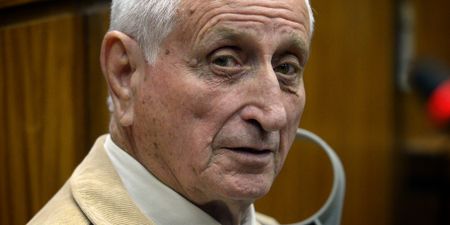
“How does this man [Rodrigues] not have his day in court and he evades accountability and justice where he plays the system and I have no recourse? In the apartheid era, we had no rights, and now Rodrigues said he was exercising his rights under the Constitution. Who does this Constitution serve?”
Eugene de Kock
The ANC’s struggle for liberation was a “just war”, Cajee informed the commissioners, and said equating actions of the liberation movement in Quatro and other camps with those of the apartheid state “could never be”.
“What were the people in the camps supposed to do? We were being infiltrated by people who were poisoning us and you want to hold us to the same standards to that of the apartheid regime?” he asked the panel.
He said it was “no coincidence” that prior to 27 April 1994, “the apartheid regime arrested one Vlakplaas operative [Eugene de Kock]”.
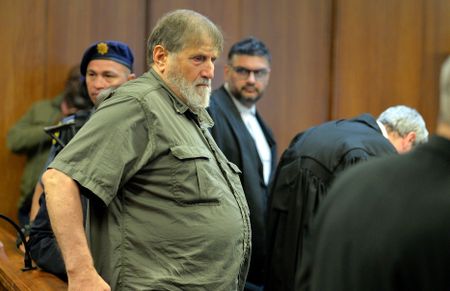
The country’s focus had been on “one individual. And what does this man do? He appears and makes full disclosure. How does one individual pay the price for three decades of crimes?
“Nobody asks how could one man commit all these crimes. Where is his commander, his accomplices? He has paid a price. He showed remorse and he is all alone. Something is not right for one to pay this price,” said Cajee. DM