



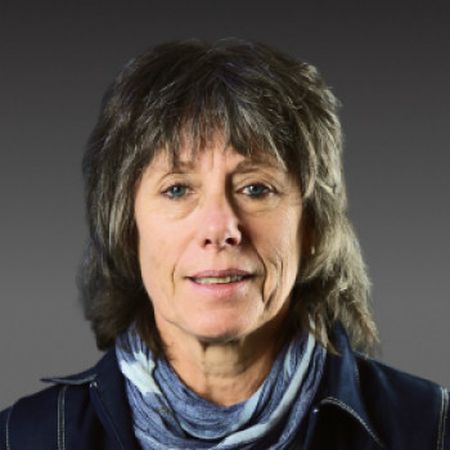
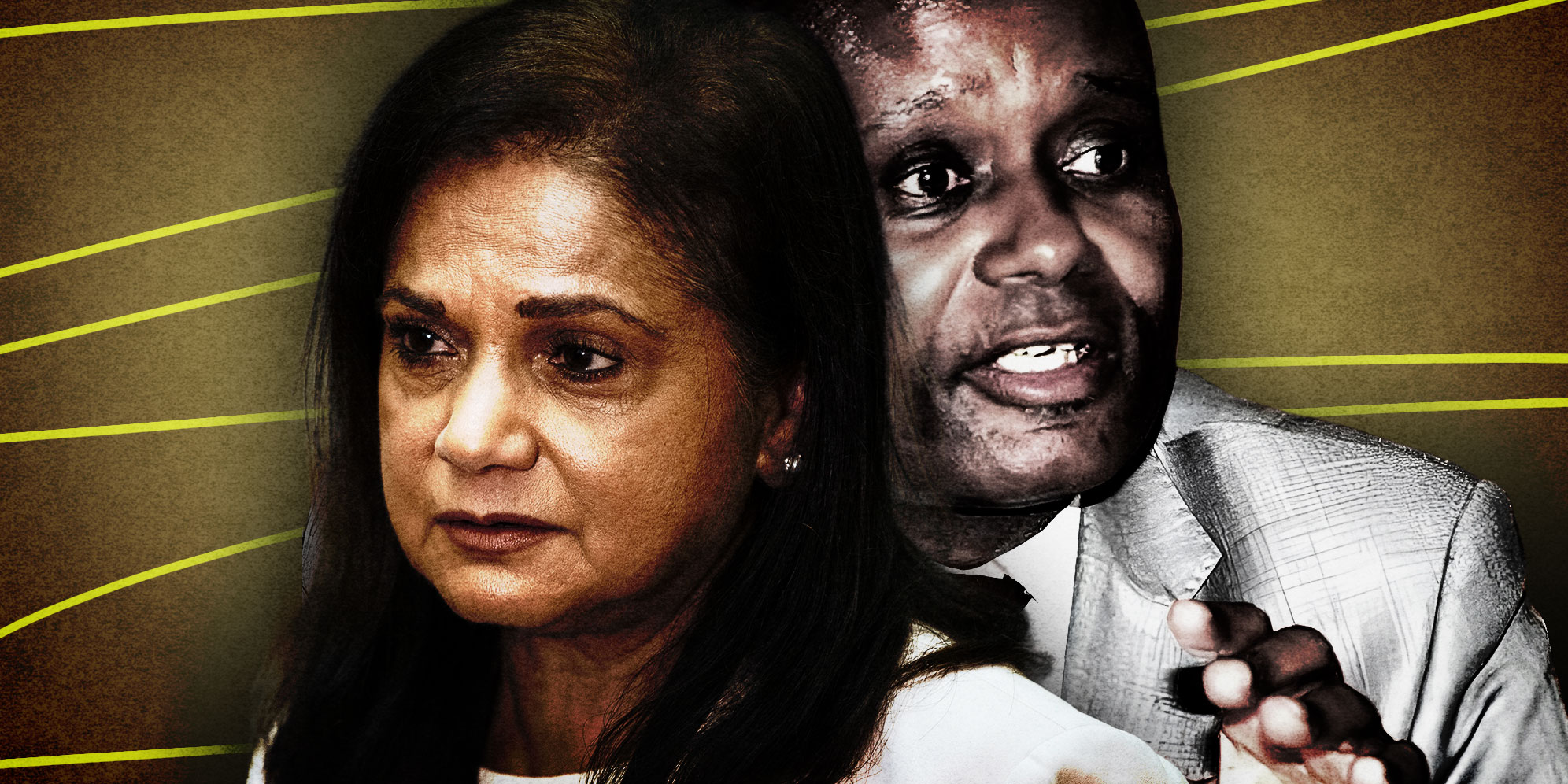
 Illustrative Image: National Director of Public Prosecutions (NDPP), advocate Shamila Batohi. (Photo: Gallo Images / Brenton Geach) | Director of Public Prosecutions Andrew Chauke. (Photo: Instagram) | (By Daniella Lee Ming Yesca)
 After spending more than a week testifying at the Nkabinde Inquiry into the fitness to hold office of Johannesburg prosecutions boss Andrew Chauke, outgoing National Prosecuting Authority (NPA) boss Shamila Batohi unexpectedly walked out of the hearing on 15 December 2025.
Batohi later reluctantly returned in the afternoon and informed a visibly peeved chairperson, Judge Bess Nkabinde, that she would only continue giving evidence after taking legal advice.
While all eyes were on the sensational Madlanga Inquiry and Parliament’s ad-hoc inquiry into police corruption, the Nkabinde Inquiry flew under the headline radar.
Until that Monday.
Cato Manor settlement
In the meantime, the NPA confirmed on 23 December that state legal representatives had reached an out-of-court settlement with Johan Booysen, the former head of the Directorate for Priority Crime Investigation in KwaZulu-Natal, and other members of what became known as the “Cato Manor Unit”, but that all parties were bound by a “non-disclosure agreement”.
/file/dailymaverick/wp-content/uploads/Pauw-booysenNPA-inset-1.jpg "Former KwaZulu-Natal Hawks head Johan Booysen. (Photo: Gallo Images / Alon Skuy)")
This was in respect of a civil claim instituted against the NPA by Booysen and other members for malicious prosecution. The matter has consumed the courts and the lives of those involved for almost 17 years.
Read more: Former ‘Cato Manor Unit’ officers challenge years of unjust prosecutions in court
The surprise walkout by Batohi occurred after she had faced intense cross-examination by advocate Tembeka Ngcukaitobi, representing Chauke, about her role in withdrawing charges against Booysen and the unit.
/file/dailymaverick/wp-content/uploads/2023/05/ED_161830.jpg "National Director of Public Prosecutions Shamila Batohi. (Photo: Gallo Images / Phill Magakoe)<br>")
The inquiry was set up by President Cyril Ramaphosa after Batohi had written to him about Chauke’s role in two ongoing matters.
Read more: Ramaphosa suspends Andrew Chauke, alleged State Capture enabler and South Gauteng prosecutions head
The first was Chauke’s alleged role in the withdrawal of charges against former Crime Intelligence head Richard Mdluli, as well as the decision by the NPA to charge Booysen’s unit with racketeering and murder.
A quagmire of dockets
On Friday, 12 December, Nkabinde adjourned the hearing early when Batohi admitted that she did not have a comprehensive grasp of the intricacies of the case.
Bear in mind that much of what Batohi has to answer to at the inquiry took place under the leadership of other heads of the NPA, including advocates Mxolisi Nxasana and Shaun Abrahams.
Ngcukaitobi unexpectedly introduced to the inquiry graphic video footage taken by police reservist Aristeidis Danikas at an armed robbery shootout with members of the Cato Manor Unit at a house in Queensburgh in 2007.
This is the footage Danikas, a Greek citizen, had placed on YouTube in 20o8 and formed part of several Sunday Times articles on the Cato Manor Unit, which were later withdrawn.
Batohi told the commission she had never seen this evidence before.
At which point Nkabinde abruptly adjourned proceedings as “so much has left hanging”, providing an opportunity for Batohi to catch up over the weekend. Batohi took her seat but then refused to return after the lunch break.
Legal ping pong
The NPA head placed herself in the hotseat by asking for the inquiry, but often found herself at a loss for answers while being grilled by Ngcukaitobi who accused her of “attempting to poison the waters” by linking his client to the term “State Capture”.
He charged that Batohi had failed to bring “a single piece of evidence” that implicated his client in “State Capture, an era that has come to be defined by the Jacob Zuma presidency.
Ngcukaitobi told the inquiry that it was “grossly irresponsible” for Batohi to have mentioned Chauke in this context “when you have no personal knowledge of his involvement in State Capture”.
Earlier in the inquiry, proceedings were adjourned when Nkabinde complained that the NPA’s legal documents were disorganised and that the dockets mentioned had not been provided.
This is a matter that has dragged on for so long that prosecutor Sello Maema and senior Gauteng Deputy Director of Public Prosecutions Anthony Mosing, who have also been implicated, have gone on pension. The record of the case and the legal ping pong over 17 years is contained in mounds of files and documents.
The essence of it all is that Batohi accused Chauke, and other prosecutors, of making politically motivated decisions in the attempts to charge Booysen and other members of the unit.
At the time, Booysen had headed a criminal investigation involving family members of then-president Jacob Zuma, as well as Durban businessman Thoshan Panday, who is currently facing charges relating to an alleged profit of R60-million related to the 2010 Fifa World Cup for temporary police accommodation and other services.
Read more: R60m World Cup graft scandal: Panday relatives added to indictment
/file/dailymaverick/wp-content/uploads/2023/08/Screenshot-2023-08-14-at-20.55.06.png "Suspended South Gauteng Director of Public Prosecutions Andrew Chauke. (Image: YouTube / SABC | Image sharpened using AI)")
Chauke’s life and times
Chauke was appointed by former president Jacob Zuma in 2011 as Director Public Prosecutor of South Gauteng.
As Ra’eesa Pather of Open Secrets has noted, in this position the advocate was responsible for making decisions including those on State Capture cases assigned to his region.
“While Chauke maintains he has made responsible decisions, he has faced criticism over his handling of various high-profile cases,” noted Pather.
Chauke’s role in the 10-year delay to prosecute former Gauteng Health MEC Brian Hlongwa’s R1.2-billion corruption case as well as a case of alleged torture against a former senior Hawks official in North West, Major-General Jan Mabula, have raised questions about his conduct.
Read more: Joburg’s king of public prosecutions, Andrew Chauke
The Danikas video
The relationship between Booysen and Danikas dates back to 1998 when the two men met at the businessman’s electronics business in Durban.
Booysen bought a computer from his shop and the two later became friends. Danikas occasionally tipped the senior cop off about potentially stolen goods. He then became a police reservist, which is how he ended up tailing Booysen with his camera, attending and filming crime scenes. The two men later fell out.
Probes, including the Mokgoro Inquiry into advocates Nomgcobo Jiba and Lawrence Mrwebi’s fitness to hold office and the leaked De Kock Report (an inquiry conducted by advocate Rodney de Kock), had all concluded that the charges against Booysen had no basis.
While her predecessor Shaun Abrahams had approved the institution of racketeering charges, it was Batohi who withdrew these in 2019.
Read more: Feigning victimhood and indignation, Jiba testifies at Mokgoro inquiry
A central issue in the matter is an affidavit Danikas provided and signed in Greek, which was later translated into English but had remained unsigned.
In 2014 Judge Trevor Gorven set aside the decision to prosecute Booysen and other members of the unit, saying there was insufficient evidence.
Read more: The NPA – The National Postponement Authority on high-profile corruption
Gorven referred to Danikas’ affidavit, stating it had little value as its contents did not extend to the period of the indictment.
In one of the incidents covered in his affidavit, Booysen had not been mentioned. Gorven found that of the 23 dockets that made up the case, Booysen had been mentioned in two and these did not implicate him in any crime.
It is not clear what the panel will decide with regard to the two Danikas video clips supplied by Ngcukaitobi.
Batohi is the first of seven heads of the NPA to complete her term of office. She is expected to exit on 27 January 2026. Her fate at the Nkabinde Inquiry has not yet been made clear. DM