



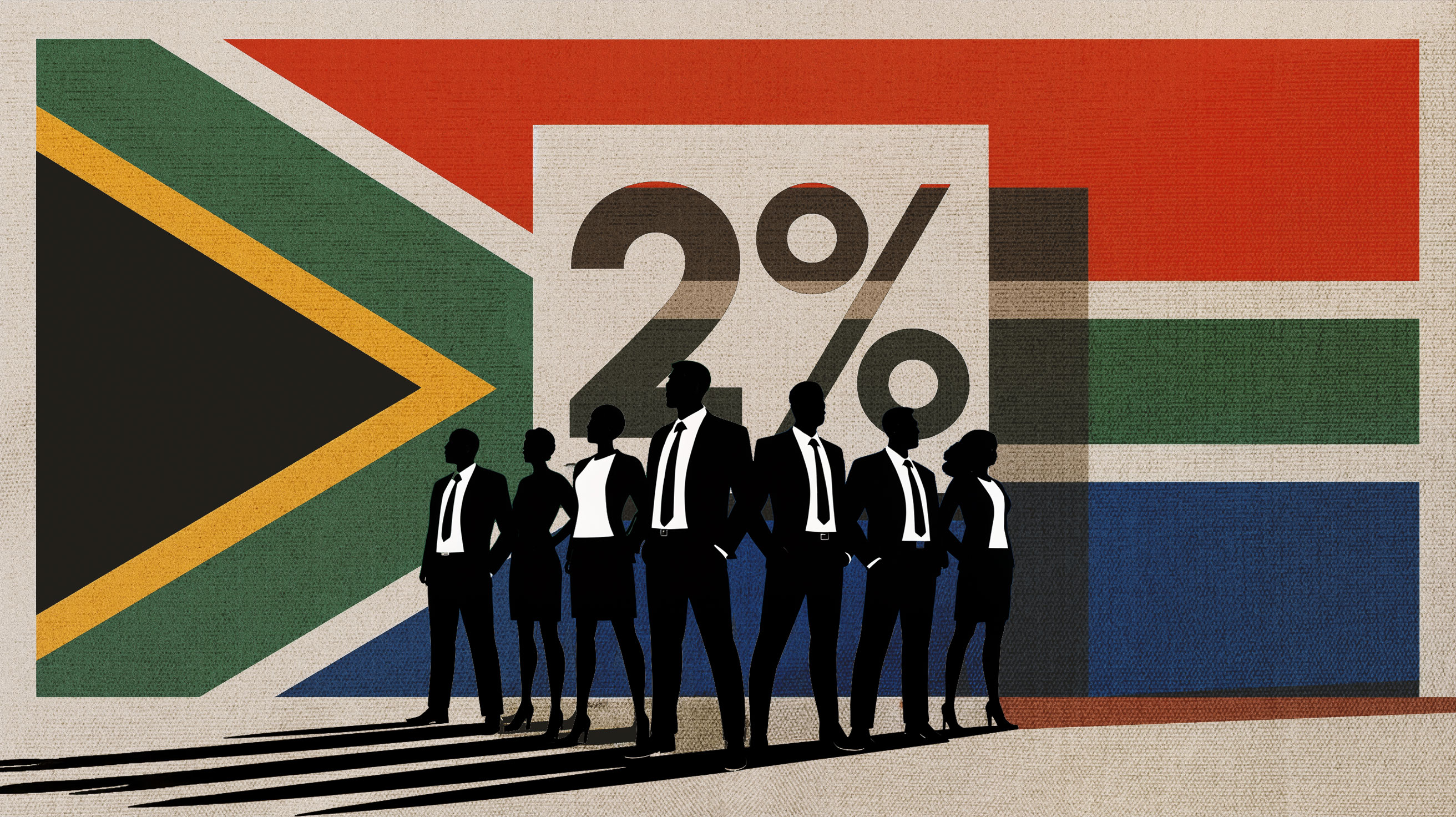
 Patriotic Millionaires and Oxfam SA commissioned a representative survey of 543 millionaires and the majority said they are willing to pay a 2% wealth tax to better fund social protection, education or the energy transition away from coal to renewable energy at scale. (Illustration: Source images generated with Ideogram v3.)
 Patriotic Millionaires and Oxfam SA commissioned a representative survey of 543 dollar millionaires, the majority of whom said they are willing to pay a 2% wealth tax to better fund social protection, education or the energy transition away from coal to renewable energy at scale.
Dollar millionaires are defined as individuals with investable income of $1-million – R17.14-million as of Tuesday evening, 11 November.
The Africa Wealth Report for 2025 suggests the total number in SA is an estimated 41,100 people.
Nearly 64% of those surveyed also support global instruments for taxing the super-rich and the same number support a 2% tax on multimillionaires and billionaire wealth.
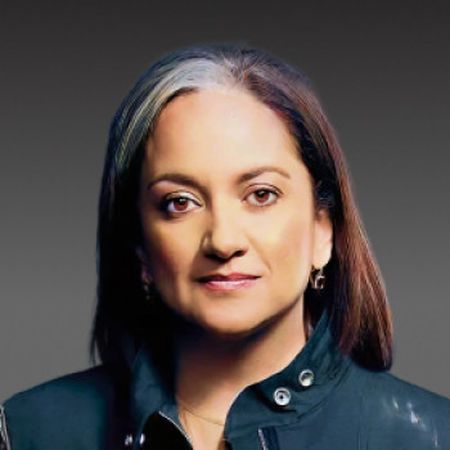
“This survey demonstrates a clear recognition among South Africa’s wealthiest what many others have been saying for a while: that a fairer tax system is both necessary and achievable. A fair tax on extreme wealth can help strengthen public services, reduce inequality, promote solidarity and greater chance for growth,” said Isobel Frye, Oxfam’s G20 senior policy adviser.
“With the world’s leaders gathered in Johannesburg, the G20 (November 22-23) is an opportunity to advance constructive dialogue on international tax cooperation, including through the UN Tax Convention,” she said.
‘Harm of extreme wealth’
The majority of those surveyed said superwealthy people disproportionately influence public opinion through media control, exercise undue political influence, while 65% said extreme wealth and (linked) wealth inequality pose a threat to democracy.
Patriotic Millionaires is a non-partisan network of wealthy individuals who advocate economic and social change.
“When the super-rich back a policy to tax themselves, elected leaders must listen. Millionaires in South Africa and across the globe recognise the harm extreme wealth is having on our politics, people and planet,” said Jonathan Bloch, a member of the organisation’s UK chapter.
SA’s G20 themes are solidarity, equality and sustainability.
Professor Joseph Stiglitz’s report from the Committee of Independent Experts on Global Wealth Inequality released last week has similar proposals on tax reform.
Read more: Ramaphosa’s G20 legacy could be a global push to tackle inequality and strengthen democracy
South Africa’s progressive tax rates, especially on the middle classes and the wealthy, are among the highest in the world and much higher than anywhere else on our continent.
Ideas for a wealth tax have been floated and abandoned because high rates of corruption, fruitless, wasteful and unauthorised expenditure dull the appetite for higher South African Revenue Service payments.
“People have disinvested from democracy collapsing the social contract. By looping the wealthiest in (through higher taxes), there will be an equal reawakening of citizens holding government to account,” said Frye.
Using the example of Tembisa Hospital, a talisman of public corruption because of the work of slain whistleblower Babita Deokaran and News24, Frye said this (grand corruption) happened when certain classes opt out of public services.
“(It becomes a case of) I don’t have to worry about public health.”
Read more: SIU reveals staggering scale of Tembisa Hospital’s devastating R2-billion fraud network
Big business, big donors
South Africa’s wealthy people are big givers, numerous other surveys have shown. The business community has organised its major support for public services (energy, logistics, crime and corruption, and local government) in the Business 4 South Africa partnership.
Through this, 160 CEOs have given R320-million to these four areas since 2023, helping the country to begin to turn the corner after State Capture’s decade.
In energy, the business community has 350 experts who have contributed 12,000 hours to ensuring load shedding ends and a new energy future starts (often haltingly, but still clearly). The private sector added 6GW of new energy and R1.3-trillion in investment after President Cyril Ramaphosa dropped the regulatory cap on independent production.
Business has invested R700-million in improving logistics, mostly rail, with 385 experts seconded to Transnet and allied state companies. The Youth Employment Service has seen 1,800 corporations support 1.2 million work opportunities, while Harambee and the SA Youth Portal have helped 1.4 million young people earn R32-billion in income in its lifespan. The SA SME Fund has funded 6,000 SMEs, which have created 10,000 jobs.
This is arguably more impactful than a wealth tax into the leaky bucket that is the SA state, but Frye disagrees.
“I don’t believe in ring-fencing,” she says, adding that all public services and the funding thereof has to be subject to parliamentary scrutiny and oversight. DM