



/file/dailymaverick/wp-content/uploads/2025/09/label-Opinion.jpg)
Every year, on 24 March, the world marks World TB Day, commemorating the moment in 1882 when Dr Robert Koch identified the bacterium that causes tuberculosis. That discovery made it possible to diagnose and treat a disease that had devastated humanity for centuries.
More than 140 years later, TB is still with us.
This year’s global theme – “Yes! We Can End TB! Led by countries. Powered by people” – is not just a slogan. It is a challenge to all of us: governments, the private sector, health workers, communities and global partners. Because ending TB is within reach – but only if we act with urgency and at scale.
The reality is stark. TB continues to kill more people each year than any other infectious disease. Yet it does not trigger the same level of alarm or action we have seen with other deadly known pandemics and epidemics, such as Covid-19, swine flu, Ebola, HIV/Aids and cholera. TB spreads quietly, often undetected, and thrives in silence, hence it is referred to as a silent killer because of the high prevalence of asymptomatic cases.
South Africa has made significant progress. Between 2015 and 2024, we reduced TB incidence by 61%, the result of sustained investment in testing, treatment and public health innovation.
But progress alone is not enough.
In 2024, an estimated 65,000 people in our country were living with TB but were never diagnosed or treated. These are not just statistics, they are lives at risk, families affected and communities exposed to ongoing transmission.
This is why our message is clear: if we are serious about ending TB, we must first find it.
Through the national End TB Campaign, we are scaling up efforts to conduct five million tests each year and actively identify those who would otherwise be missed. We are bringing services closer to communities, using targeted universal testing for high-risk groups, and deploying real-time data to guide action and accountability.
New diagnostic technologies are also transforming our response. Rapid molecular tests can now deliver results in under 30 minutes, allowing patients to start treatment in the same visit. This reduces delays, lowers costs for patients and helps break the chain of transmission.
At the same time, scientific progress offers hope for the future. Promising vaccine candidates – including M72, currently in Phase 3 trials – could become the first new TB vaccines in more than a century, with the potential to protect adolescents and adults and significantly reduce transmission.
But technology and innovation alone will not end TB.
One of the greatest barriers we face is stigma. Too many people still fear being judged, isolated or discriminated against if they seek care. This silence allows TB to spread unchecked.
We must change this. TB is a disease, not a moral failing. Everyone deserves dignity, support and access to care. Through initiatives like My TB Story we are encouraging people to speak openly, share their experiences and help break the stigma that keeps others from coming forward.
Ending TB will require more than policies and programmes. It will require a national movement.
We need communities to encourage testing and support those on treatment. We need employers to create safe environments for workers to seek care. We need civil society to lead the fight against stigma. And we need global partners to match innovation with financing and equitable access.
Above all, we need urgency. DM
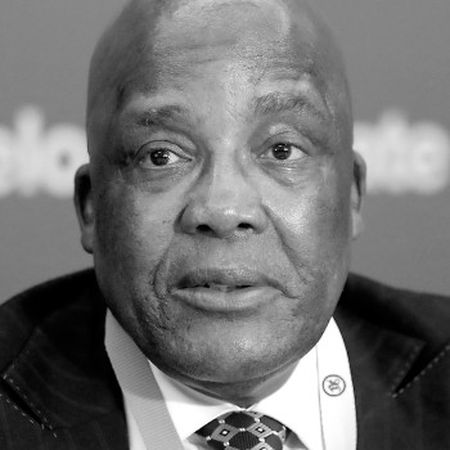
Dr Aaron Motsoaledi is South Africa’s minister of health.