



The career possibilities for women in the energy sector are incredibly exciting right now. Globally, the sector is undergoing rapid innovation and growth. Energy includes everything from power generation to transport, and from oil, coal and nuclear to gas and renewable sources. It needs experts in engineering, the sciences, information technology, logistics, accounting and a huge range of support services. And energy companies are actively seeking more women to fill these roles.
In the past, energy companies were largely male-dominated because men received greater encouragement to study sciences and workplaces weren’t always built with women in mind. That’s changing now, as more people realise that diverse teams deliver better results.
Energy today is a sector that needs diverse solutions and innovation to maintain its momentum.
Conspicuous progress in female leadership
Although we’ve made meaningful progress in attracting women over the past few years, significant challenges remain that affect their retention and advancement.
In April last year, Energy Digital Magazine ran a feature, “Top 10: Women in Energy”, highlighting some of the women leading global energy companies. They included Sinead Gorman, CFO of Shell; Kate Thompson, Group CFO at bp; Rebecca Kujawa, president and CEO of NextEra Energy Resources; and Catherine MacGregor, group CEO at Engie.
These appointments demonstrate the increasing presence and impact of women in top leadership roles, highlighting that when companies prioritise gender diversity, women can rise to the very top and shape the direction of the industry. In December, bp announced the appointment of Meg O’Neill as its next CEO, effective April 2026, further underlining the value of inclusive leadership at the highest levels.
This global trend aligns with initiatives in South Africa. In its Women Empowerment and Gender Equality Strategy for the Energy Sector (2021–2025), the Department of Mineral and Petroleum Resources encouraged companies to “develop and implement specific programmes to fast-track gender parity in key decision-making levels and strive for the attainment of 50% of women in senior and executive management”. These policies signal the importance of both structural support and intentional action to accelerate gender equality in the sector.
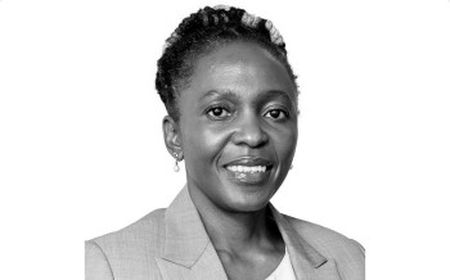
bp Southern Africa has mirrored this progress by appointing two female CEOs in succession: Priscillah Mabelane (2017–2020) and me (from June 2020).
I am now in my sixth year as CEO of bp Southern Africa, and these past few years have been both challenging and fulfilling. When I joined, the global oil industry faced unprecedented challenges: the Covid-19 pandemic, followed by the Russia/Ukraine conflict in early 2022, alongside a major global restructuring at bp aimed at achieving net-zero emissions by 2050 or sooner. This period demanded visible leadership, strategic focus and resilience. Together with a gender diverse leadership team, we embarked on a recovery journey, growing our market share and pursuing new growth initiatives.
At bp Southern Africa, our commitment to transformation goes beyond leadership appointments. We continue to reshape the business internally, through our choice of suppliers and franchisees and externally by contributing to the transformation of South Africa’s energy and transport sectors, making them more diverse, inclusive and reflective of the society we serve.
A long road lies ahead
Although the transformative changes at the top are conspicuous, and there has been some progress, women are still underrepresented throughout energy organisations across the globe.
According to a Boston Consulting Group (BCG) report in 2023 (Women in Energy 2.0), between 2018 and 2023, female representation in the energy sector rose from 26% to 28% as more investors are prioritising environmental, social, and governance (ESG) and diversity, equity and inclusion (DEI). Women in management accounted for 27% of senior management in 2022, a nine-point improvement on 2018 levels.
Figures for the local business sector show that racial and gender imbalance continues to be a challenge. According to the Department of Labour’s 2023 Employment Equity Report, only 23.5% of top management positions are held by black leaders, even though this group makes up the majority of the population. Female representation, particularly among black women in leadership roles, remains similarly low, with women accounting for only 25.3% of top management in the private sector. These figures highlight the ongoing need for intentional action to create more equitable and inclusive leadership.
BCG identified four challenges to increasing gender diversity in the sector:
- Fewer women choosing to study technical subjects;
- Fewer women joining the energy sector at entry level;
- Companies not offering the right benefits to retain mid-career women; and
- Companies not offering women comprehensive promotion opportunities.
Steps towards change
Transformation is fundamentally about mindset. The industry needs to change perceptions that it is male-dominated, starting with leadership that re-evaluates policies and practices, actively builds a diverse leadership pipeline, encourages inclusive and transparent conversations and creates broader impact throughout the supplier chain.
Beyond their immediate spheres of influence, energy companies have a responsibility to actively invest in educating more girls in the technical subjects they need to get ahead in this industry. They can do so by supporting education from the foundational level through to postgraduate studies and by offering work experience opportunities to new graduates.
What I have learned in my career is that mentorship and support are crucial. Women need strong mentors, and women leaders should use their influence to uplift other women — but these initiatives should be pursued without leaving men behind. Supporting one another not only helps break down systemic barriers but also creates a culture where diverse perspectives can thrive. This is not about favouring one gender over another: it’s about building stronger, more creative and higher-performing teams.
Research supports this: a McKinsey & Company report showed that companies with high gender diversity are 25% more likely to financially outperform their peers, and organisations with greater ethnic and cultural diversity are 36% more likely to surpass average profitability levels.
bp Southern Africa is focused on building a solid pipeline of diverse talent — which has to include women — and growing the number of women-owned businesses in our supply chain. We will continue these efforts to ensure we maintain our market-leading position on diversity, equity and inclusion.
While we celebrate the strides we’ve made in driving transformation, we know there is still a long journey ahead — and it will take all of us to ensure progress remains steady and meaningful, ultimately achieving true equity and inclusion for everyone. DM
Taelo Mojapelo is CEO of bp Southern Africa.