




/file/dailymaverick/wp-content/uploads/2025/09/label-Opinion.jpg)
I have been a veterinary physiotherapist for more than a decade, helping to rehabilitate injured and ageing pets and empower their owners to support their journey of recovery and wellness.
I have seen good progress in many of my patients over the years, but I held a constant feeling that there was more that I could do to support them. I started my career in human movement science and learnt the importance of movement and exercise, as well as the significant role good nutrition has in optimum body performance and function.
I have always been interested in how our bodies move and always wanted to learn about how everything works together. This led me to gut health and the intricate role it plays in so many aspects of our body. This concept has been around in human medicine for a few years, but it is relatively new in the animal nutrition world.
In 2025, believing in the mantra that food is medicine and understanding the importance of nutrition and gut health, I undertook the Feed Real Canine Nutrition course and gained my certification as a certified professional in canine nutrition towards the end of last year. Finally, I felt I could better help my patients and owners, not just with physical rehab, but with the understanding of the fundamental building blocks that underpin holistic wellness through their diets.
Changing our ‘pawspective’ on pet food
In response to a Daily Maverick article discussing disruptions and consolidations within the pet food industry in South Africa, it is time to step back and change our “pawspective” on how we, as pet owners and pet healthcare professionals, can consider the opportunity to make a change and use every meal to proactively protect our pets.
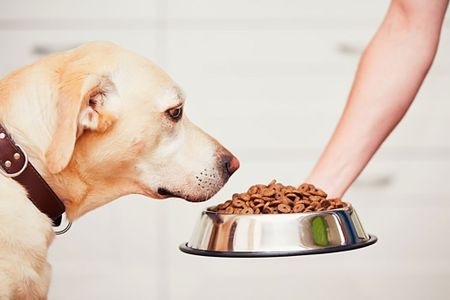
The global pet food market is valued at more than $130-billion and continues to grow at a rapid pace. Dion Chang, author of A Pawfect Life, reveals the increase in pet parents and fur-children, with a staggering 43.5% increase in household pets in the US alone, from 2023 to 2024.
This rapid shift highlights the reality that this growing spend on our pets has driven the pet food industry to be highly commercial and profit driven. As with many large-scale economic systems, the pressure to maintain margins can sometimes come at the expense of quality and transparency. This concern is emphasised by the continuous pet food recalls worldwide.
Surely, the frequency of these recalls naturally raises questions about regulation, oversight and consistency within the industry? In my experience, this is limited to the bare minimum. In America, the National Research Council holds pet food producers to outdated nutritional requirements, last updated in 2006.
General safety standards have intentionally low thresholds which is potentially part of the reason behind the high numbers of product recalls. Decreases in production and occasional company shutdowns result in fewer active manufacturers. This causes reduced market competition which in turn can lead to lower-quality products and higher prices for consumers.
Many pet owners, worldwide, are navigating their pet’s ongoing health challenges such as obesity, cancer and other chronic diseases. Frequent veterinary visits and long-term medications can become financially exhausting, while the cumulative effects of ongoing medication on a pet’s body and the emotional strain on owners can take a significant toll over time.
As with humans, it is well documented that good nutrition correlates strongly with healthy pets. However, nutrition should not be a one-size-fits-all approach. Every pet is different, and interpreting what works best for your pet is key. The food we feed our pets can either support long-term vitality or continuously contribute to weakened internal systems and chronic disease.
While attractive packaging and persuasive marketing are hard to ignore, it is essential to look beyond the “mask” and understand what is actually going into your pet’s bowl and where it has come from.
We can use food as medicine, but one of the greatest challenges is knowing what and who to trust. A good starting point is understanding where food is sourced and how to interpret the labels that come with it. Just as we should ask where our food is coming from, we should also be asking the same question about our pet’s food.
If you pick up a bag or container of your pet’s food, how many of the ingredients on the list are you familiar with, and more importantly, how many of those ingredients would you be prepared to consume? While I am not advocating for you and your pet to share meals, the point still stands, do you really understand what you are feeding them and how those ingredients affect their bodies?
/file/dailymaverick/wp-content/uploads/2025/10/13469594.jpg "Pet Fair South East Asia 2025. An exhibitor displays pet products for cats at Pet Fair South East Asia 2025 in Bangkok, Thailand, 29 October 2025. EPA/RUNGROJ YONGRIT")
Typically, sourcing gold-standard, high-quality food comes with a financial barrier that many cannot afford. This is a conversation for a different article, but for the lucky minority who are not deterred by the financial barriers to access high-quality feeding, accessibility becomes the next hurdle.
Sourcing ethically raised, sustainable and organic food remains a challenge, despite rising demand. The ability to provide healthy food for your pet is difficult because genuinely reputable retailers are few and far between, and let’s be honest, can we really always trust what we read on the perfectly designed labels? Just consider the free-range vs pasture-raised products we are starting to see on our shelves.
Responsibly sourced and thoughtfully produced pet food may once have seemed idealistic, but it is increasingly becoming achievable. Across the industry, networks of ethical farmers are emerging and thriving, supported by healthier soils, more sustainable practices and a deeper respect for the land that produces our food.
This creates a “pawfect” opportunity for producers willing to embrace transparency and invest in honest, traceable value chains. As demand grows for clean, whole ingredients and greater clarity around sourcing and processing, the shift towards ethical, sustainable production gains momentum. Ultimately, the goal is to set a new standard that is beneficial for us, our pets and the environment.
I would like to invite you to broaden your perspective on your pet’s food. The age-old saying, you are what you eat, could never be more poignant. DM
Lara Krass de Krassnokutski is a certified canine nutritionist and veterinary physiotherapist in South Africa.