



/file/dailymaverick/wp-content/uploads/2025/09/label-Opinion.jpg)
When Heineken’s global CEO, Dolf van den Brink, announced his resignation at the start of the year, the company described it as a routine leadership transition.
After six years at the helm, Van den Brink is stepping down amid lower sales volumes and declining revenue in major markets. The problem that Heineken and other alcohol companies are grappling with is that young people in Europe and North America are drinking less. In these regions, the sober curious movement is growing, making liquor less appealing to a new generation. This is a positive shift for public health, but for an industry dependent on sales volumes, a decline in drinking represents an existential threat – visible in the recent jobs cuts in the company.
Van den Brink’s resignation may signal a deeper crisis within multinational alcohol companies. For SA, it’s a warning: when big liquor companies face challenges abroad, they often turn to emerging markets to maintain profits. This is what Heineken intends doing as it pushes ahead with its EverGreen 2030 strategy that prioritises emerging markets for future growth.
Heineken’s focus on emerging markets presents Africa and parts of Asia as the next frontier for expansion. In corporate language, this sounds neutral, even optimistic. In practice, it signals intensified efforts to sell more alcohol in countries where regulation is weaker, healthcare systems are under strain, and communities already bear a heavy burden of alcohol-related harm. SA sits squarely in that target zone.
What growth really means
When multinational alcohol companies talk about growth, they are rarely referring to healthier communities or safer roads. They are referring to volumes sold, market share captured and profits secured. For them, success in SA means more alcohol moving through taverns, spaza shops and delivery apps.
We know what follows: heavy drinking leads to harm. National homicide research has found that alcohol was present in 55% of male homicide cases and 38% of female cases. On our roads, alcohol is a factor in a quarter of traffic fatalities due to driver error.
Independent research shows that when alcohol becomes more affordable and more available, harm increases – in violence, road injuries, disease and social disruption. Pricing policies such as higher taxes and minimum unit pricing (MUP) reduce consumption, especially among heavy drinkers, leading to better health outcomes. Modelling in SA suggests a floor price of R10 per unit of alcohol could result in up to 22,600 deaths averted over a 20-year period, and public health savings of an estimated R3.9-billion.
An industry under pressure
The latest Big Alcohol Exposed report by social movement Movendi International documents how declining consumption in high-income countries has triggered a structural crisis in the alcohol industry. Rather than adapting their business models to align with public health realities, liquor producers have responded by intensifying marketing and public relations campaigns.
Before recent excise tax debates, industry-commissioned studies dominated local media coverage, with claims that “nearly one in five” alcoholic drinks sold in the country is illegal. These numbers were widely reported despite limited transparency and weak independent verification. Their purpose is clear: to frighten policymakers away from meaningful tax reform.
A critical moment for public policy
The National Treasury’s current debates on pricing reform represent one of the most important public health opportunities in years. If implemented with integrity in this country, excise reform and MUP could reduce alcohol-related deaths as they have in Scotland, and reduce crime as they have in Canada. This must, however, be complemented by other evidence-based strategies, such as restricting advertising and managing outlet density.
We cannot allow our policies to be shaped by multinational corporations in favour of their bottom line. We must choose policies that protect people from violence and injury. DM
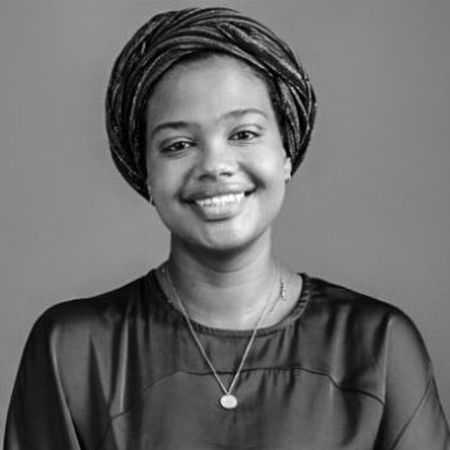
Kashifa Ancer is campaign manager at Rethink Your Drink, an alcohol harms reduction campaign by the DG Murray Trust.