/file/dailymaverick/wp-content/uploads/2025/09/label-Opinion.jpg)
To achieve sustainable conservation, all stakeholders must engage in honest, inclusive grassroots dialogue. Prioritising fundamental animal welfare and human wellbeing is essential to stop wildlife from disappearing.
I have long contemplated putting pen to paper on this issue, but every time I try, I get pulled back into yet another elephant-management saga, and the writing gets sidelined. I’m getting dizzy from the constant roundabout.
In a nutshell, we must start at the grassroots!
We ALL need to sit around the same table and talk – honestly – if we hope to achieve ecologically sustainable conservation outcomes for the benefit of both people and wildlife.
Until then, we will continue going in circles while the very wildlife we claim to protect slowly disappears. We spend enormous amounts of time, energy and, most critically, our limited resources defending our own “islands” of ideology, each convinced we hold the key to sustainable conservation.
What we aren’t doing is creating an inclusive platform for genuine engagement. After 30 years in this field, I can confidently say our discussions have borne no fruit because we’ve been participating without truly engaging. We talk, but we do not hear.
I’m always amazed at how articles and commentary on these issues misrepresent facts either through ignorance, or to support a preferred agenda, yet still insist there’s “no time for finger pointing!” Of course, authors can frame information to fit their narrative, but muddying facts only confuses readers and delays meaningful progress.
We often blame “animal rightists” yet lump “animal welfare” into the same category. These are not the same. Animal rightists may hold extreme views, and their constructive contribution can be debated – but animal welfare is fundamental. It concerns the wellbeing of the very animals we claim to protect. For any ranger, conservationist, custodian or stakeholder, animal welfare is non-negotiable. Our love for wildlife and the landscapes they inhabit is why we do this work. Human wellbeing is inseparable from the wellbeing of the ecosystems we depend on. That’s the essence of One Health.
Facts must be presented clearly and accurately – by all stakeholders – so a well-informed, unbiased view can be formed. This isn’t about choosing sides; it’s about laying out the facts so that constructive decisions can be made.
Let’s look at the Madikwe Game Reserve saga.
There is no perfect solution. Resolving the current elephant situation will require a multipronged approach. And, as in many similar cases, it is mismanagement – or a complete lack of management – that created the situation in the first place. Madikwe had the opportunity to introduce immunocontraception as far back as 1998, when a colleague and I first presented the option. At the time, the population was under 300 elephants. Had that proactive step been taken at the time, the issue would never have escalated to the point we are at today.
Yet again, we kicked the can down the road until reactive, kneejerk decisions have become inevitable – along with their consequences. With the knowledge, experience and resources we now have in conservation, this is unacceptable.
Effective, humane, proven and proactive elephant-management options have existed for 25 years! Still, old-school thinking, ignorance, hidden agendas, politics and misrepresentations of “sustainable use” have blocked implementation – setting the stage for the perfect storm at Madikwe.
Whatever decisions are taken now must be carefully thought through. There are significant collateral risks that must be anticipated and mitigated. These implications reach far beyond Madikwe – they affect the broader wildlife and tourism industry. We already have evidence of the impacts of certain interventions, but others – such as the proposed culling – carry unknown risks.
And what are we comparing these culling recommendations to? The Kruger National Park? Not even close.
If you visited Kruger before 1995, during the culling era, you’ll remember what elephant sightings were like: brief glimpses of animals crossing a road before disappearing in the wilderness. They never hung around.
Ask the same question today, and you’ll hear about incredible sightings and relaxed herds everywhere. Yes, numbers may be higher, but sightings have also increased because elephants feel safe, after 25 years without culling. Kruger also offers two million hectares of wilderness, giving elephants refuges. Madikwe does not offer the same respite.
We have a responsibility to interrogate every management option and its consequences, learning from the past and preparing for what we haven’t yet encountered. We can do this; the expertise exists. But we need transparent, inclusive engagement… And that is where we are failing most.
As Robert Kröger of the Origins Foundation rightly said, “inaction is not a solution”. Yet the North West Parks Board has had many opportunities – from 1998 through to a fully funded initiative in 2020 (with the MOU finally signed only in 2024!) – to implement immunocontraception in Madikwe and Pilanesberg.
Still, another year has passed with no action. And again: inaction has consequences. A pending provincial task team report still to be released, will hopefully spur action.
Which begs the question: what hidden agenda is driving this narrative?
We keep hearing that immunocontraception “doesn’t work” or “can’t be implemented long-term on larger populations”. On what basis? More than 50 reserves have used pZP immunocontraception successfully, some for more than 25 years.
Multiple scientific master’s and PhD papers have refuted the behavioural concerns now being recycled in the scientific community and by industry to discredit the method.
Large reserves with elephant populations comparable to Madikwe have used immunocontraception for more than a decade, with excellent outcomes. Yet misperceptions about cost, feasibility, disturbance and efficacy are deliberately reinforced – again serving an unnamed agenda. Meanwhile, we waste precious time.
We all need to sit around the table for a formal, transparent, open-minded engagement to design an ecologically sound model of sustainable use, one that benefits both animals and people.
We spend millions annually defending our ideological silos, instead of coming together to find common ground. Our ultimate goal is the same: conserving wildlife, our natural heritage and the ecosystems that sustain them. But we differ dramatically on how to get there. And until we confront this, we will continue going in circles.
For more than 30 years, I’ve sat in workshops with the same scientists, conservationists, NGOs, managers and officials. We arrive with the same concerns and leave with the same concerns, each time – only to rinse and repeat. We’re going nowhere. Just getting older and greyer, with the same outcomes.
Contraception is not a silver bullet… but it is a proven, highly effective tool that reduces growth rates proactively while safeguarding welfare.
We need the full suite of elephant-management options, applied with open minds, sound science, lessons learnt, transparency, accountability and welfare considerations. Only then can we make informed decisions that uplift both elephants and the people living alongside them. Adaptive management must guide us, constantly refining best practice to meet objectives.
I remain outspoken in every forum I can, but we are still not collectively engaging in a meaningful way.
It’s time!
Let’s sit down together, find common ground and chart a productive, inclusive path forward – one that values science, welfare and shared stakeholder goals, while acknowledging our differences. We must finally move beyond the circular debates and commit to managing our biodiversity holistically, safeguarding our extraordinary natural heritage for generations to come. For this to work will require some compromise from ALL involved. The big question: are we prepared to do that? DM
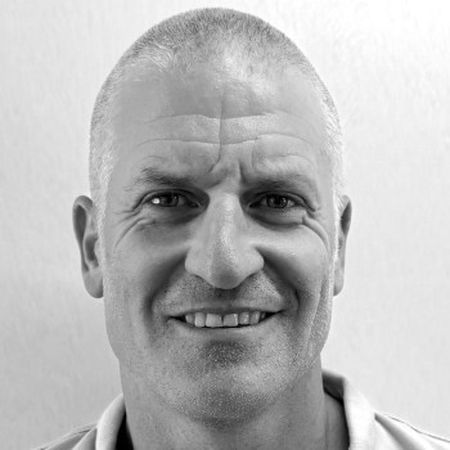
JJ van Altena is a wildlife specialist with more than 30 years of active involvement in the wildlife management arena, specifically with elephants. His expertise is called upon in various government forums to guide legislation and management outcomes on reserves.