



/file/dailymaverick/wp-content/uploads/2025/09/label-Opinion.jpg)
Bloemfontein is a city rich in history, geography and promise. It is the judicial capital of South Africa, home to museums of national significance, heritage buildings and natural vantage points that rival those of far more celebrated destinations. Yet for more than four years some of its most strategically placed public assets have stood empty, locked behind administrative indecision, repeated tender cancellations, and a silence that has cost the city far more than bricks and mortar.
At Naval Hill, the Edge Restaurant, a hilltop venue overlooking the city and Franklin Nature Reserve, remains vacant after multiple failed tender processes. At the Fidel Castro Building, the iconic revolving restaurant, renovated at public expense, has not served a single paying customer in years. At Oliewenhuis Art Museum, a premier cultural destination, restaurant facilities remain underutilised. The Bloemfontein Zoo, once a cornerstone of family tourism, remains closed following court rulings that exposed deep governance failures rather than operational ones.
These are not isolated failures. They are symptoms of a systemic inability to activate public infrastructure for public benefit.
Over the years, official explanations have been consistent: procurement delays, tender irregularities, difficulty finding suitable operators, legal and compliance challenges. Each reason, taken individually, may sound reasonable. Taken together and repeated over years, they reveal a deeper problem: a paralysis of execution in a city that can no longer afford inertia.
Tourism and hospitality are not luxury sectors. In South Africa, they are labour-intensive industries that absorb young people, create entry-level employment, and provide pathways for skills development. Nationally, tourism contributed hundreds of thousands of jobs prior to Covid-19 and remains a cornerstone of economic recovery strategies. Yet in Bloemfontein, hospitality graduates emerge annually from universities, TVET colleges, and private institutions into a market where flagship venues are locked and dark.
Devastating mismatch
This mismatch is devastating. Students are trained for jobs that do not exist locally. Entrepreneurs are encouraged to invest, only to face cancelled tenders and sunk costs. Public money is spent maintaining vacant buildings instead of generating revenue. The city loses visitors not because it lacks attractions, but because it fails to offer complete experiences.
Compare this with Cape Town’s V&A Waterfront, Durban’s beachfront precincts, or Johannesburg’s inner city regeneration zones, places where culinary diversity is not an afterthought but a tourism strategy. Restaurants at heritage sites are not merely food outlets; they are anchors that extend visitor stay, increase spend and create employment ecosystems. Bloemfontein, by contrast, has regressed: visitors pass through rather than linger, and iconic sites are reduced to photo opportunities rather than living spaces.
The tragedy is not that these facilities are difficult to run. It is that they are ideally positioned to succeed. Naval Hill offers unmatched views. The Fidel Castro Building commands the skyline. Oliewenhuis sits at the intersection of art, history and leisure. These are assets most cities would aggressively activate through transparent, flexible public-private partnerships.
Trust eroded
Instead, the repeated cancellation of tenders – sometimes without public explanation, has eroded trust. Business owners pay for documents, compile submissions and wait, only to be met with silence. The cost is not only financial; it is psychological. It discourages participation and signals that initiative is unwelcome.
As SA approaches another election cycle, accountability must extend beyond campaign promises to the everyday stewardship of public resources. Vacant restaurants are not neutral. They represent lost jobs, lost training opportunities, lost tourism revenue, and lost faith in governance.
Bloemfontein does not need another feasibility study. It needs political will, transparent procurement and urgency. These spaces should be alive, employing youth, training chefs, hosting visitors and reminding citizens that public infrastructure exists to serve the public.
A city cannot grow when its landmarks are silent. DM
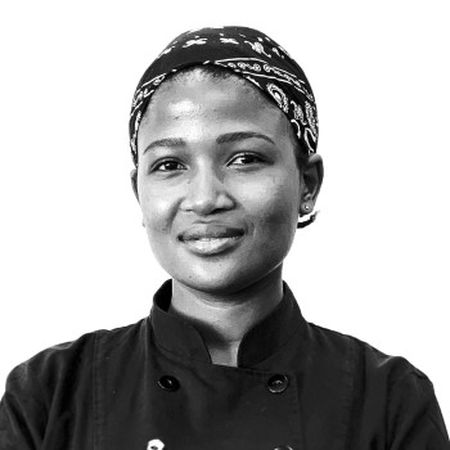
Lerato Sedi is a Bloemfontein-based culinary professional with more than 12 years’ experience in hospitality and restaurant development.