



/file/dailymaverick/wp-content/uploads/2025/09/label-Opinion.jpg)
In recent weeks, when Gwede Mantashe said South Africans should stop “waiting for the government to hand out jobs”, he struck a nerve.
Most people reading those words did not hear a solution – they heard blame-shifting. And they felt it because too many, if not all, of the job creation strategies South Africa tried for decades have ended the same way: quietly, quickly forgotten, and unresolved.
But having launched, supported and grown hundreds of small businesses in 14 countries, I can tell you: South Africa does not lack hardworking people. What we lack is an economic environment where businesses can truly survive long enough to employ people, grow and reinvest locally.
The reason so many well-meaning programmes fail is not because of a lack of money. It’s because the support ends as soon as the funding runs out. It’s like enthusiastically teaching someone to fish by giving them all the kit and equipment, showing them how to cast a line once and then walking away.
Tools and temporary help are useful, but they do not give someone the ability to survive when conditions change.
Real backing
The kind of change that actually moves the unemployment needle is about ongoing, aligned commercial support – which is the only type of support with longevity and practicality built into its core. I have lived and built businesses abroad for more than 20 years and have seen this turn whole economies around.
In Malaysia, for example, the government did not treat small business support as a temporary programme. It created entities that bought master licences of successful business formats from around the world and embedded them into the local economy, enabling local operators to work within proven commercial systems with real market backing. This approach was not a grant. It was a government-facilitated, commercially vested strategy to help businesses survive, compete and grow.
You see similar outcomes in places like Brazil, where business formats that tie local operators into broader commercial models have helped support millions of jobs – nearly 1.7 million directly in those networks alone by connecting local businesses to wider markets rather than leaving them to fend for themselves.
Long-haul support
And when you look at economies that have strong local enterprise ecosystems, like Singapore, the difference is the same: businesses are supported over the long haul, not after the first year of a programme. They are part of logical, mutually beneficial networks that keep them plugged into customers, supply chains and growth opportunities.
South Africans hunger for opportunity. Every town has people with ideas, energy and ambition. But ambition alone doesn’t mean survival. What makes the difference is sustained commercial backing where a business’s success benefits not just the founder but the people who support it, the markets it serves and the ecosystem it operates in.
Blaming people for unemployment does not fix unemployment. Neither does throwing money at programmes that end after a few cycles. What creates real jobs at scale is when you structure support so that the incentives of all parties are tied to long-term success, and everyone benefits when a business survives and thrives.
The job creation challenge we face is not a motivation problem. It’s a survival problem. And the way out is not more short bursts of funding; it’s building and backing businesses in ways that keep them alive long enough to grow, employ, and reinvest in communities. Because when businesses truly survive, people truly work. DM
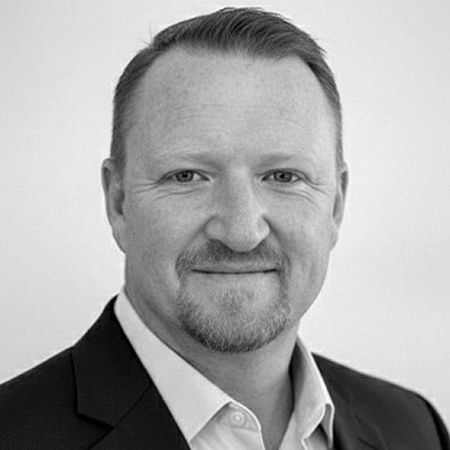
Sean Goldsmith is the founder of Groe Global and a South African entrepreneur and franchise strategist. He has served as a board member of the British Franchise Association, a QuickBooks Small Business Expert Adviser and a judge for the Elite Franchise Awards.