



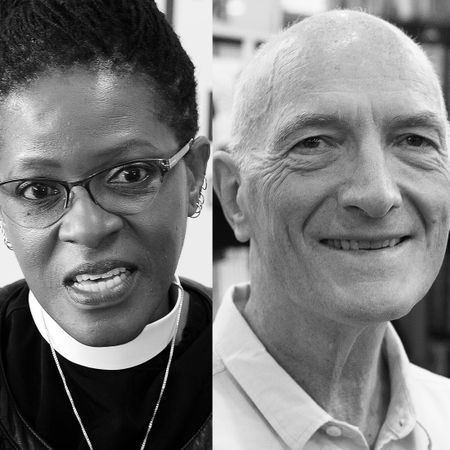
We are profoundly disappointed and concerned over recent rulings by African courts upholding the criminalisation of same-sex intimacy, as well as new laws enacted to stigmatise and criminalise same-sex conduct and love. They represent a tragic step backwards in Africa’s fight for human dignity.
The essence of our shared humanity lies in recognising and affirming the inherent worth of every individual, regardless of gender, race or sexual orientation. Laws that criminalise same-sex intimacy are not only unjust, but they also fundamentally undermine human dignity, a value that is central to any just legal system.
By perpetuating discrimination, fostering fear and persecution, and endangering vulnerable persons, such laws directly conflict with the principles of equality and justice that should underpin any legal framework. The law should protect the marginalised and vulnerable, not target them for their innate characteristics.
As a retired judge and an Episcopal priest, respectively, we have seen first-hand the transformative power of legal recognition and protection of human rights, and proclaim that God is anti-racist, anti-imperialist, anti-patriarchal and opposed to oppression in every form.
It is through legal frameworks that societies seek to uphold the values of justice, fairness and equality. The esteemed former public protector of South Africa, advocate Thuli Madonsela, described three versions of justice.
There is justice that is solely concerned with me and my rights and the harms inflicted on me. This is a type of justice that often concerns teenagers, where one teen argues that they should be allowed to behave as other teens do.
Then there is justice that is for me and people like me. That would be a system of justice that protects people of my race, class, gender, religion or sexual orientation.
Finally, there is justice that encompasses all of us. This is an Ubuntu version of justice. Ubuntu justice is a version of justice that is African at its root and bears indigenous African fruit. The fruit that Ubuntu justice bears is genuinely civilised living that protects and values the well-being of all citizens.
From a religious standpoint, we emphasise that love is the root and core of all spiritual teachings. The late Archbishop Emeritus Desmond Tutu often spoke of a God of love, compassion and inclusivity. He believed, as we do, that all people are created in the image and likeness of God – that every person is deserving of love and respect.
We decry the use of religion as a tool of repression and shame, and as a weapon of any form of subjugation. The promise of religious faith is liberation and hope. African religious leaders cannot preach a gospel of love and abundant life while condoning the spread of hatred and death.
In our capacities as a proudly gay jurist and a black, African, feminist, queer woman and priest, respectively, we know that laws that criminalise same-sex intimacy not only inflict harm on individuals, but also tear at the weave of our society.
Read more in Daily Maverick: Growing number of anti-gay laws highlight Africa’s steady human rights regression
A judge cannot dispense justice to some citizens only, because that is not justice. It would be similarly disingenuous for a priest to proclaim that God is anti-racist, anti-imperialist, anti-patriarchal and opposed to oppression in every form, only to assert that the same God supports the oppression of gender and sexual minorities.
The Christian gospel is good news for all the poor, all the oppressed, all the marginalised. Or the gospel is not good news at all.
We all crave societies built on inclusion and mutual respect. We all want and deserve to live free from fear. Justice, religion and African culture are all deeply concerned with the well-being of the individual because they all recognise that a flourishing society can only exist when all members of the society can flourish.
We join all justice-seeking people on our continent in calling for the repeal of these regressive laws. We strive for a world where every person can live with dignity and without fear, in respect and caring for themselves no less than for others. DM
This story first appeared in our weekly Daily Maverick 168 newspaper, which is available countrywide for R35.
