



I was barely 21 when I accepted my first teaching position. I was thrown in at the deep end: Afrikaans for Gr. 10 and 11. The following year, the matrics were entrusted to me – some of them were older than me.
Back then, some of the schools had so many young men on their staff that we could field a rugby team for the annual derby. But that was then. Nowadays, young teachers are as scarce as politicians without a tender contract.
Now that all learners have returned to school, we are experiencing a serious shortage of teachers because not everyone can return due to underlying illnesses. Nationwide, about 22,000 teachers – and about 2,700 teachers in the Western Cape – worked from home.
The general public's sentiment about educators with comorbidities was unsympathetic. Some of the comments on social media were, “Teachers who stay at home should not get paid”, “Replace teachers with comorbidities with people who really want to go to school” and “Why can teachers sit at home and receive a salary every month but nurses have to work every day?” There were probably many other such remarks, most of which speak of ignorance and stereotyping.
After 40 years of experiencing education from all sides (as a teacher, deputy principal, principal, circuit manager and now lecturer), I know that the vast majority of teachers earn their daily bread through hard, honest work.
Yes there will always be those who exploit the system. We already hear of teachers who are too ill to teach, but apply to mark matric papers; who believe schools are dangerous places, while hanging out in busy shopping malls. But they are the exception and hopefully they will be… unmasked.
Nevertheless, we have a responsibility to address the shortcomings in the education system. It has now been said several times that Covid-19 has opened our eyes to the shortcomings in our schools. One is that teachers’ average age is 47. In 2004 it was 42. We are therefore an aging teaching corps.
So far we have been able to handle this, but with many teachers retiring out of fear of Covid-19, red lights should start flashing for governing bodies, education departments and teachers unions. Every year I sign numerous visas for young teachers who have to seek work abroad because they cannot be helped here. The most popular destinations are China, South Korea and New Zealand. One of my former students even teaches at a school in Madagascar.
Yet young people were good enough to come to our rescue when numerous teachers could not return. There is now an opportunity for a new approach with the appointment of teachers. Better career planning is needed so that experienced teachers can train their successors to be ready when they retire.
The ideal staff is one where the experience of seasoned teachers is complemented by the skills of the younger generation. There is room for both. It's a waste of state resources to train teachers just for them to teach English to children in the East. We need them here. DM
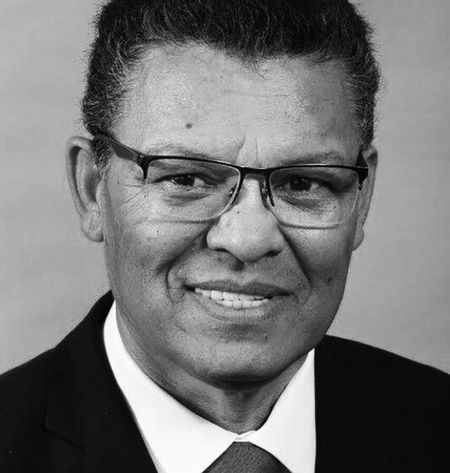
Prof Michael le Cordeur is Chairperson of the Department of Curriculum Studies at Stellenbosch University.