




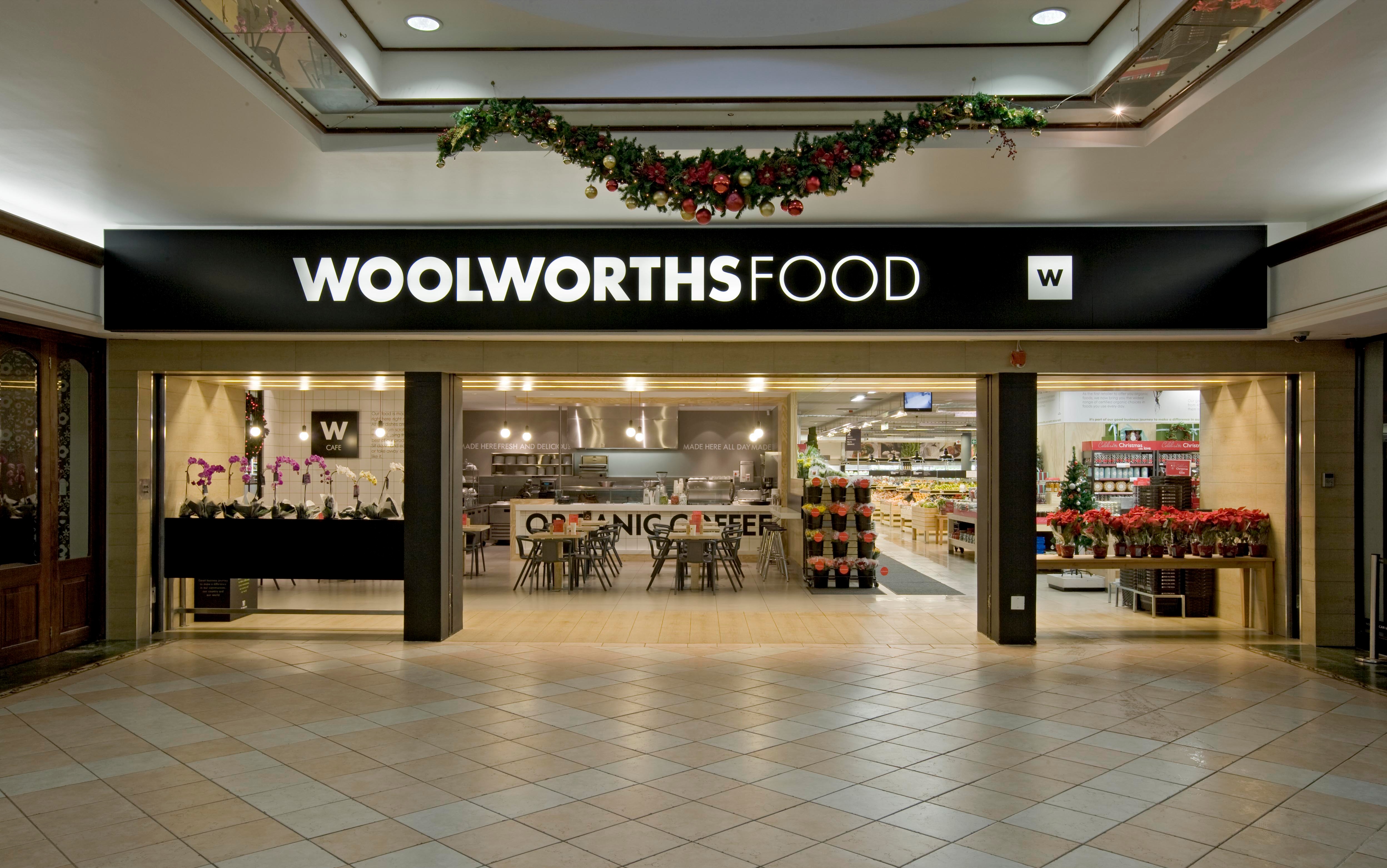
 Woolworths is set to acquire full control of the prepared foods supplier in2food. (Photo: Woolworths)
 Woolworths said this week that it intends to acquire 100% of the prepared foods manufacturer in2food from its founders, Old Mutual Private Equity and other exiting shareholders.
The deal will give Woolworths ownership of one of its most important long-term suppliers, a business that generates more than R5-billion in annual revenue across convenience foods, fresh produce, long-life foods, bakery and ambient lines. Much of what you already toss into your Woolies basket, from scrumptious soups to gourmet sandwiches, prepared meals and baked goodies, is produced by in2food.
Woolies is settling the bill in cash, using the group’s existing financing facilities. The transaction is subject to regulatory and competition approval.
We did ask for the price tag, but CEO Roy Bagattini was coy. He sidestepped the actual price, saying Woolworths was not disclosing many of the details now because the deal still has to go through Competition Commission approval. He did, however, say the deal was financially attractive, “earnings-accretive, margin-accretive and valuation-accretive, with the applied PE multiple well below Woolworths’ own’.
More than ready meals
For Bagattini, the logic is not simply about bringing a strategic supplier in-house. It is also about using in2food’s existing international routes to market to push Woolworths’ food capability beyond South Africa’s borders.
In an interview with Daily Maverick, Bagattini said the opportunity was not only to strengthen supply, innovation and speed to market in Woolworths’ domestic food business, but also to “grow revenue” by leveraging in2food’s capability “both locally, but also, very interestingly, offshore, through existing channels that they sell into today”.
He was unusually explicit about where those channels already exist when pressed for more information. Bagattini said Marks & Spencer is one of in2food’s biggest offshore customers in the UK, while there are also opportunities with US players, in the Middle East and in smaller pockets of Europe. That’s significant offshore exposure.
He added that a large chunk of in2food’s non-Woolworths revenue was already offshore and that this is a part of the business Woolworths intends to grow “fairly aggressively”.
This is not another David Jones drama
/file/dailymaverick/wp-content/uploads/2022/04/GettyImages-483493005.jpg "A David Jones Bourke Street store in Melbourne, Australia, on 9 April 2014. (Photo: Carla Gottgens / Bloomberg via Getty Images)")
That matters because it marks a very different kind of offshore ambition from the one that famously blew up in Woolworths’ hands with David Jones. Woolworths sold its entire shareholding in the Australian department store business in 2023, closing the book on an expensive and strategically painful chapter.
The in2food acquisition, by contrast, is not a bet on turning around a standalone foreign retail chain in an unfamiliar operating environment. It is, at least on paper, a more grounded move: a vertical acquisition stitched into an existing ecosystem, with established supplier know-how, proven product capability, existing export customers and supply chain relationships already in place.
Crucially, in2food’s senior leadership team will continue to lead in2food as a standalone operating business within Woolworths, ensuring continuity of operations while preserving the entrepreneurial culture that has underpinned its success.
“Woolworths and in2food have an extended track record of close collaboration, focused on delivering high-quality, innovative food products aligned with Woolworths Foods’ premium positioning,” said Richard Cooper, the CEO of in2food.
In other words, Woolworths is not trying to build an offshore presence from scratch. It is buying a bigger share of the plumbing.
Buying the pipes, not just the promise
Bagattini framed the transaction as a way to strengthen Woolworths’ “moats”, both defensively and offensively. Defensively, the retailer secures supply from what he described as its largest supplier in this category. Offensively, it gets closer to in2food’s innovation engine, product development capability and manufacturing scale, with the potential to improve product quality, speed to market and, over time, pricing.
Bagattini said the group sees scope to extract efficiencies across financing, operations and ways of working, then recycle some of that benefit back into sharper prices and further innovation.
He was also careful to insist this does not herald a broader grab for control over Woolworths’ supplier base. He said the deal was a “discrete opportunity”, prompted in part by the exit of Old Mutual Private Equity, whose fund is reaching the end of its life.
Woolworths, he said, is “not on a tear to go and vertically integrate”, even if the in2food deal offers learnings and scale advantages that can be leveraged more broadly across its supplier ecosystem.
Still, the transaction shows that Woolworths is willing to bend its traditional sourcing model when a strategic prize is large enough. In2food is not just any supplier. It has grown alongside Woolworths for more than three decades and today sits at the centre of the retailer’s premium convenience food proposition. Bringing that business closer gives Woolworths tighter control over some of the very things that distinguish its food operation from rivals: freshness, product innovation, quality consistency and availability.
Roy sets the table, Sam serves
The offshore angle is where the deal becomes especially interesting. For years, Woolworths’ international story has been tangled up in Australia, with David Jones a reminder that foreign expansion can be a costly vanity project when the fit is wrong. The in2food deal suggests a more sober version of ambition. Rather than exporting the Woolworths retail brand wholesale, the group can use white-label manufacturing capability, established business-to-business relationships and existing international channels to expand more quietly and, perhaps, more effectively.
Bagattini, however, may not be around for long enough to see whether that thesis fully ripens. Woolworths has announced that he will step down as group chief executive and executive director at the end of May, with Woolworths Food CEO Sam Ngumeni set to take over. So the man sketching out this next phase of offshore growth will hand the wheel to his food chief just as the integration work begins.
That, too, may be fitting. If this acquisition is really about backing Woolworths Food’s supply chain, innovation muscle and export potential, then the next chapter belongs less to a retailer chasing glamour offshore and more to a food operator quietly building routes into the world. DM
Comments
Scroll down to load comments...