



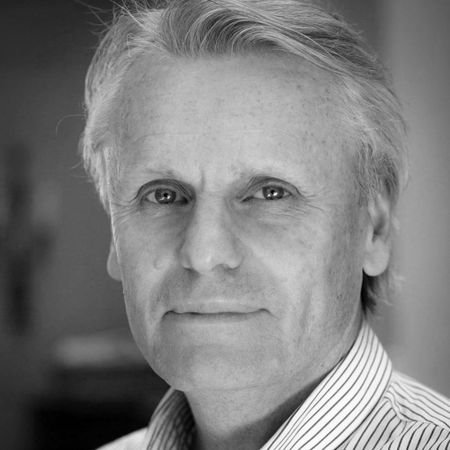
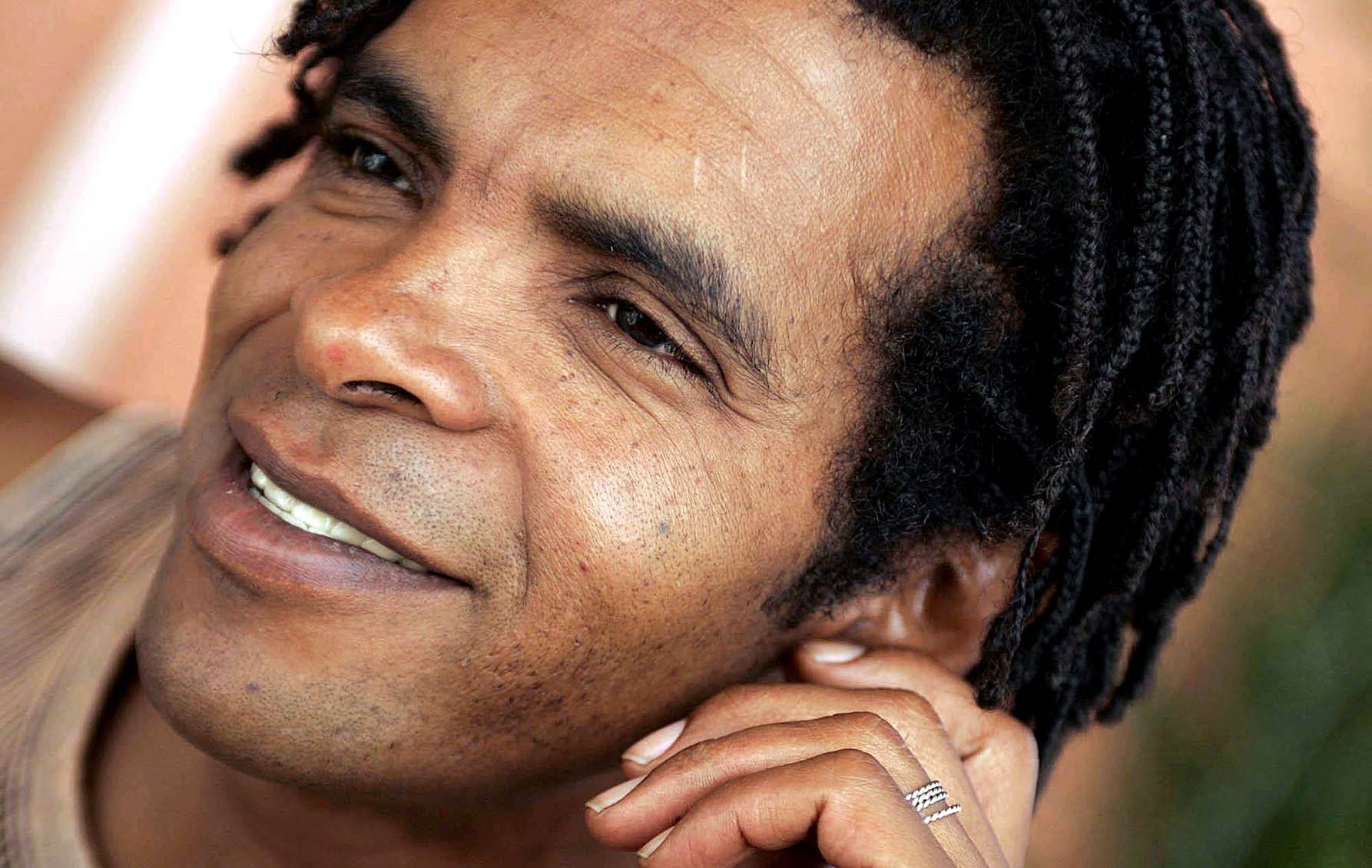
 Soli Philander, well-known South African comedian and actor, and TV show host. (Photo: Gallo Images / Foto24 / Sharief Jaffer)
 So, a sad and fond farewell then Silamour.
I worked closely with the entertainment legend that was Soli Philander (1961-2026) for several years at Cape Talk, and loved his talented, passionate, funny, chaotic way of being. But I never knew, until his funeral service in Athlone last weekend, that his given name at birth in Elsies River 65 years ago was Silamour.
I also never knew of his intense biblical faith, which was centre stage at the New Apostolic Church where we were deep in Thessalonians, Luke and the Road to Emmaus. Stuff I had left behind long ago at compulsory boarding school services.
That sparked in me a meditation on the nature of religion and getting to know people better, and working harder on staying in touch. Sadly, I’d only seen Soli twice in the 20 years since we so happily shared a morning show together, and to which he had brought an energetic cocktail of expression, passion and humour.
Soli did his radio work according to his moods, which were very changeable. The textbook says you shouldn’t do that on radio where you must be constant for your audience. As with most things in life, Soli trashed the rules and went his own way to unique and often hysterical effect.
And soon there were many more thoughts whirling in my mourning mind.
The typical truth is that, as a resident of privileged and prosperous Cape Town, I can almost count the times in my life I have been to Athlone, other than as a rat running home from the airport when the N2 was jammed (as it usually is these days). Several times it was for football at the Athlone Stadium and once, memorably, for a magnificent performance of The Mysteries at the Joseph Stone Auditorium nearby.
The limited picture which I had of Athlone very much did not include the New Apostolic Church set in, what I was going to describe as, the shadows of the stadium, but the church almost overshadows that sporting landmark with an immense, double story of plush theatre seating for more than 1,500 in front of a massive pipe organ with, by my count, 80 pipes, which rivals the famous one in the Cape Town City Hall. There were 10 cameramen in action, and a small army of sound technicians and ushers.
On the expansive and expensive stage sat eight men, identically dressed in sombre black suits paying careful heed to the words of The Apostle, for that was his title, who stood above throughout and proclaimed in stentorian certainty with the rhythm of hymns in a way that made me understand the traditions that Allan Boesak arose from.
/file/attachments/orphans/000035075_349169.jpg "South African comedian and TV personality Soli Philander in June 2006. (Photo: Media24 Pty Ltd (magazines / Gallo Images)")
/file/attachments/orphans/pic1_353024.jpg "Soli Philander at Café Xpress R10 in 2022.<br>(Photo: Soli Philander / Facebook)")
(Photo: Soli Philander / Facebook)
When I first arrived in the church, I positioned myself among some unmarked vacant seats towards the middle. Suddenly, everyone around me rose up and began singing beautifully. I was accidentally right in the midst of the 60-strong choir and hastily scuttled away to safer territory, telling my new neighbour that I could not hold a note. I immediately heard Soli’s distinctive laugh in my head as if he had witnessed my comical white flight from embarrassment.
That glorious choir was just one part of the astounding musical talent on display. A high-quality, 18-piece band-cum-orchestra, including a sumptuous cellist, backed the singers who were directed by a man with the focused intensity of Leonard Bernstein. Their final choral piece raised the rafters, and brought forth tears and applause.
But it was noticeable that there were no ululations, exhortations or loud echoes from the congregation during the service. Just very firm Amens. This was neither in the African tradition, nor was it diverse. This was a demonstrably coloured occasion. Sad in one way. Because if someone with the broad appeal and wide awareness of Soli, who had a loving multiracial marriage to Toni, could not take us into the rainbow dreamland of multiculturalism, then who can? But, also, understandable. This was his community, for whom he was a genuine inspiration. In the end, they mattered to him and he to them. The rest of us were just very fortunate bystanders.
In that extraordinary, extravagant church, I appreciated that I wasn’t seeing another side of Cape Town. I was experiencing just one side of many sides in one of many other sides. There is no single Athlone any more than there is a single Cape Town or coloured identity or a white one or an Afrikaner one or a Zulu one or…
As the preacher proclaimed, “we are of many different multitudes”.
So, my whirring brain churned on, what are the ties that bind us? How are we all South Africans in any way beyond the random lottery of colonial geography that produced this motley Union 116 years ago.
The glue isn’t language when we famously have 12 official ones. It isn’t music when we range from kwaito to sakkie-sakkie with many isolated niches in between. It isn’t religion when The Apostle’s word would neither be heard just down the road in the mosque nor at Moria where hundreds of thousands will gather at Easter for the Zion Church’s version of The Lord.
There has to be something more than Nelson, the Boks, Bafana Bafana and the anthem.
Some will proclaim ubuntu as our defining feature. Much as I would love that to be true, I see too much that is the polar opposite of that noble way of being that’s endemic in our nation; violence against each other (especially towards women), xenophobia, racial prejudices, the brutal wealth inequalities.
On the way home from the funeral, I stopped to spend more than R1,000 on Woolies groceries, and then grumpily waved away the car guard when he wanted a small tip. Ubuntu test failed.
So, my sermon to myself concluded: we all have to work much harder on this and to not take national identity for granted. It’s obvious stuff which most of us get but don’t really act on; avoid stereotypes and sweeping judgements; consciously experience and learn about some of the many other sides; be generous emotionally, financially (if we can) and in our assumptions; and know that we all don’t know what life is really like for most of our compatriots whoever and wherever they might be in this vast land.
Maybe we need to embrace that astonishing patchwork quilt of diversity as the defining symbol of who we are. Perhaps, counter-intuitively, our fragmentation is our unifying thought.
It was no coincidence that Soli’s funeral sparked such a web of conflicting introspection. He was a complex man in a complex society who, in death as in life, made me think. But then I break into a chuckle at the very thought of him. Because Soli could always, always make me laugh. DM
Mike Wills is a journalist and talk show host.
Comments
Scroll down to load comments...