




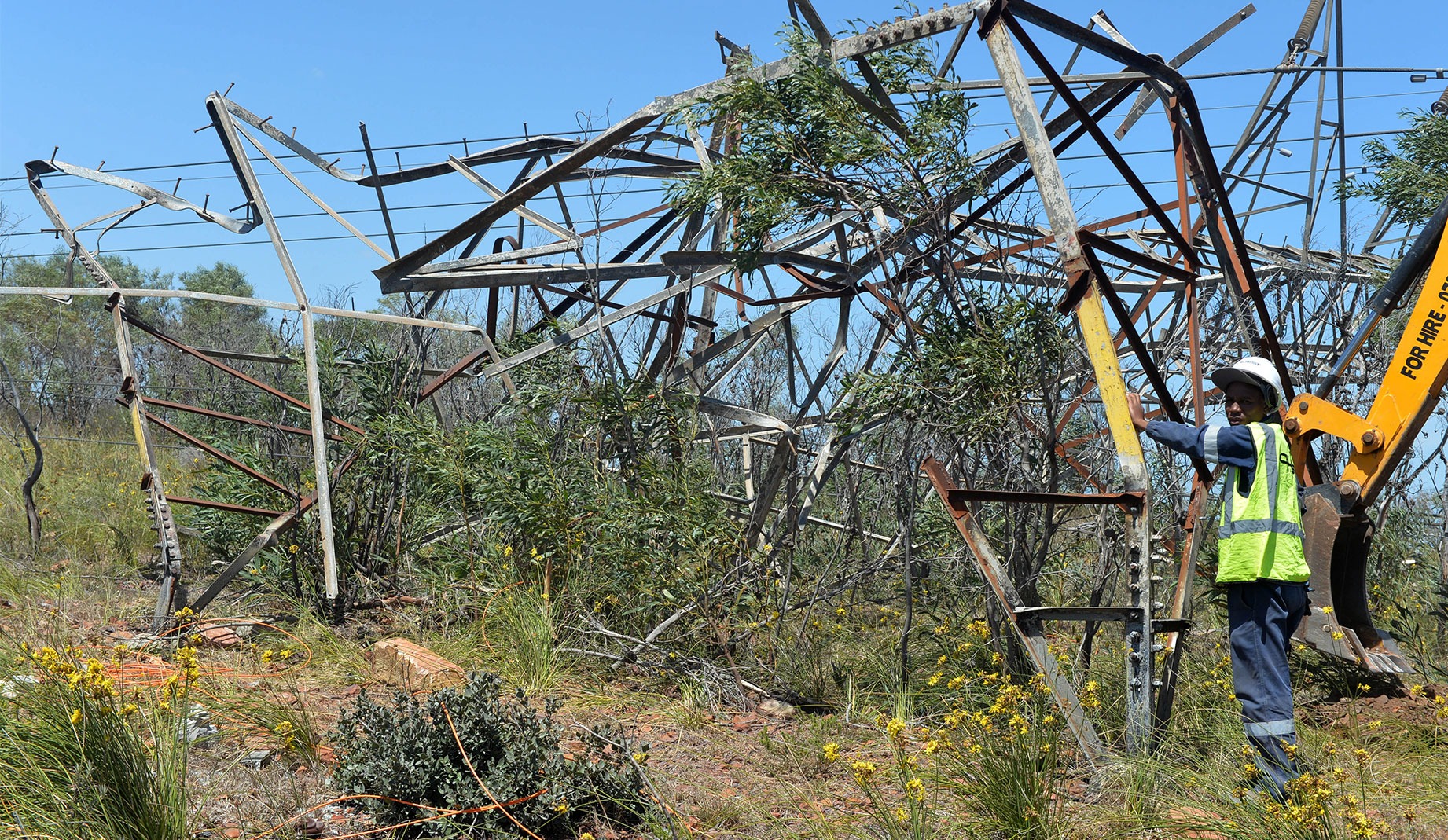
 Months before the high-voltage powerlines collapsed in Gqeberha, a National Energy Regulator of South Africa inspection identified neglect and poor maintenance. Pictured is a line that collapsed in January. (Photo: Deon Ferreira)
 Months before high-voltage electricity transmission pylons collapsed in Nelson Mandela Bay, plunging large parts of the city into darkness, the National Energy Regulator of South Africa (Nersa) had already documented systemic infrastructure failures — including corroded pylons, delayed maintenance and weaknesses in asset management.
In January, high voltage lines on the Betheldsdorp-Greenbushes line collapsed, and despite visible rust and corrosion on the pylons, the city blamed the collapse on vandalism and windy conditions.
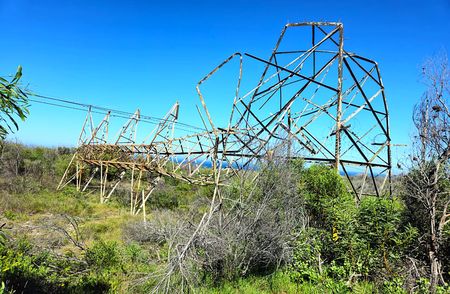
Last week, a high-voltage electricity transmission pylon on the Summerstrand-Arlington 132kV line collapsed, again cutting power to large parts of the city, with more than R35-million needed to upgrade the entire line.
However, as previously reported, these repeated failures — including the latest collapses — may well have been avoided had senior city officials heeded the early warnings issued over the past decade and implemented strategies that had effectively been spoonfed to them.
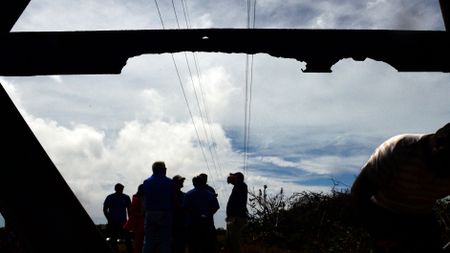
These latest collapses – the seventh of their kind in less than two years – come after Nersa flagged systemic infrastructure problems in the municipality during a compliance audit in October 2025, including corroded pylons and delayed maintenance.
In response to questions from Daily Maverick, Nersa spokesperson Charles Hlebela confirmed that the regulator had flagged significant infrastructure management concerns in the municipality months before the latest collapse.
“Nersa is aware of the challenges related to infrastructure management in Nelson Mandela Bay, including incidents involving high-voltage pylons,” Hlebela said.
“These issues were identified during an audit conducted by Nersa in October 2025, which highlighted systemic failures and mismanagement of infrastructure, including corroded pylons and delayed maintenance.”
/file/attachments/orphans/Rust-1_736396.jpg "Visible corrosion on the Bethelsdorp–Greenbushes 132 kV overhead powerline, which collapsed in January. (Photo: Deon Ferreira)")
Early warning signs of collapse
The regulator conducted the audit to determine whether the metro was complying with the conditions of its electricity distribution licence under the Electricity Regulation Act, 2006.
According to Hlebela, the audit uncovered weaknesses in infrastructure management, even though the municipality was broadly compliant with most of its licence requirements.
“Nersa conducted a compliance audit of Nelson Mandela Bay Metropolitan Municipality in October 2025 to assess whether the municipality was adhering to the conditions of its electricity distribution licence,” he said.
While the metro met most licence conditions, the audit still detected “instances of non-compliance”, including high energy losses and infrastructure-related challenges.
Regulator’s enforcement powers
Hlebela said Nersa had developed an enforcement strategy aimed at addressing mismanagement. The strategy, he said, included identifying non-compliance promptly and implementing corrective measures before issues escalated.
The regulator has the authority to impose penalties or take stronger measures if municipalities fail to meet licence conditions.
“If a municipality fails to comply with the conditions of its licence or the provisions of the Act, Nersa may impose penalties or take further action, including withdrawing the licence,” Hlebela said.
However, he emphasised that Nersa was working with the metro to address the shortcomings identified.
Municipal spokesperson Sithembiso Soyaya confirmed receipt of a request for comment. The city’s response will be included once received.
/file/attachments/orphans/DSC_3040-copy_152773.jpg "In January, the Bethelsdorp–Greenbushes 132 kV powerline collapsed, which left large parts of the city without electricity. (Photo: Deon Ferreira)")
Multiple warnings from city officials unheeded
In October 2024, a year before the Nersa audit and before the city’s electricity boss Tholi Biyela resigned in September 2025, he presented his turnaround strategy for the city’s electricity and energy directorate.
Daily Maverick reported that, besides many sections that detailed infighting, corruption and mismanagement, Biyela's report clearly stated that the maintenance of infrastructure needed to be a top priority.
“The maintenance of electricity infrastructure is currently facing significant challenges due to the absence of a well-structured, funded maintenance plan that addresses short, medium, and long-term needs,” Biyela said in his strategy report.
“The persistent failure to recognise [the] criticality of sufficient investment into repairs, maintenance and rehabilitation of assets has led to a desperate state of the electrical infrastructure.
“The condition of the infrastructure varies widely, influenced by a multitude of factors such as environmental conditions, fluctuating load demands, ageing assets, vandalism, theft and the deterioration of oil-based insulation materials.
“These issues are compounded by the increasing demand for electricity, which strains an already ageing infrastructure. The age of the infrastructure differs significantly across the city, leading to challenges in managing incompatible and outdated assets,” Biyela’s strategy report said.
The metro’s technical manager for metering, Clinton Barkes, compiled a report in which he said the city had been warned about the deteriorating condition of the pylons as far back as 2016, when “advanced corrosion” was found on the Chelsea-Summerstrand-Arlington pylons.
Barkes said that a plan to replace the rusty pylons with new monopoles began in 2016, but the broader refurbishment of powerlines was never completed. The contract expired in 2018.
“No further work could proceed despite the availability of budgetary provision, as municipal procurement regulations require a valid contract to be in place before project implementation can continue. This interruption resulted in portions of the lines remaining in a degraded condition and requiring ongoing monitoring and risk management,” Barkes said in his report.
/file/attachments/orphans/DSC_3095copy_372488.jpg "Members of the DA, led by the party’s mayoral candidate for the metro Retief Odendaal, inspect the rusty pylon near Sardinia Bay, Nelson Mandela Bay on 5 February 2026. (Photo: Deon Ferreira)")
Boss, councillors leave meeting amid power outages
Politicians and senior city officials appear to lack the appetite to confront the city’s worsening electricity problems, judging by events that unfolded at an electricity and energy committee meeting on Friday.
The city’s acting executive director for electricity and energy Bernhardt Lamour left the scheduled meeting early to attend another meeting with mayor Babalwa Lobishe, leaving his subordinates to field questions from councillors.
Lamour’s departure triggered further disruption when two ANC councillors walked out shortly afterwards. Their exit led to the collapse of the inquorate meeting.
The two councillors, Gamalihleli Maqula and Luzuko Ndamse, were the only ANC councillors in attendance, despite the party holding five seats on the committee.
Maqula and Lamour both strongly defended their decisions to leave the meeting, where pressing matters related to the city’s ongoing electricity catastrophes were meant to be discussed.
Residents must report faults to metro
Residents and businesses affected by outages linked to infrastructure failures who want to lodge complaints should report faults through the metro’s customer care system, by logging complaints in person, by email or by telephone.
“The municipality has a 24-hour call centre to handle queries and faults, and complaints are escalated to the relevant department for resolution,” Nersa’s Hlebela said. DM
Comments
Scroll down to load comments...