




 ATB- Madness
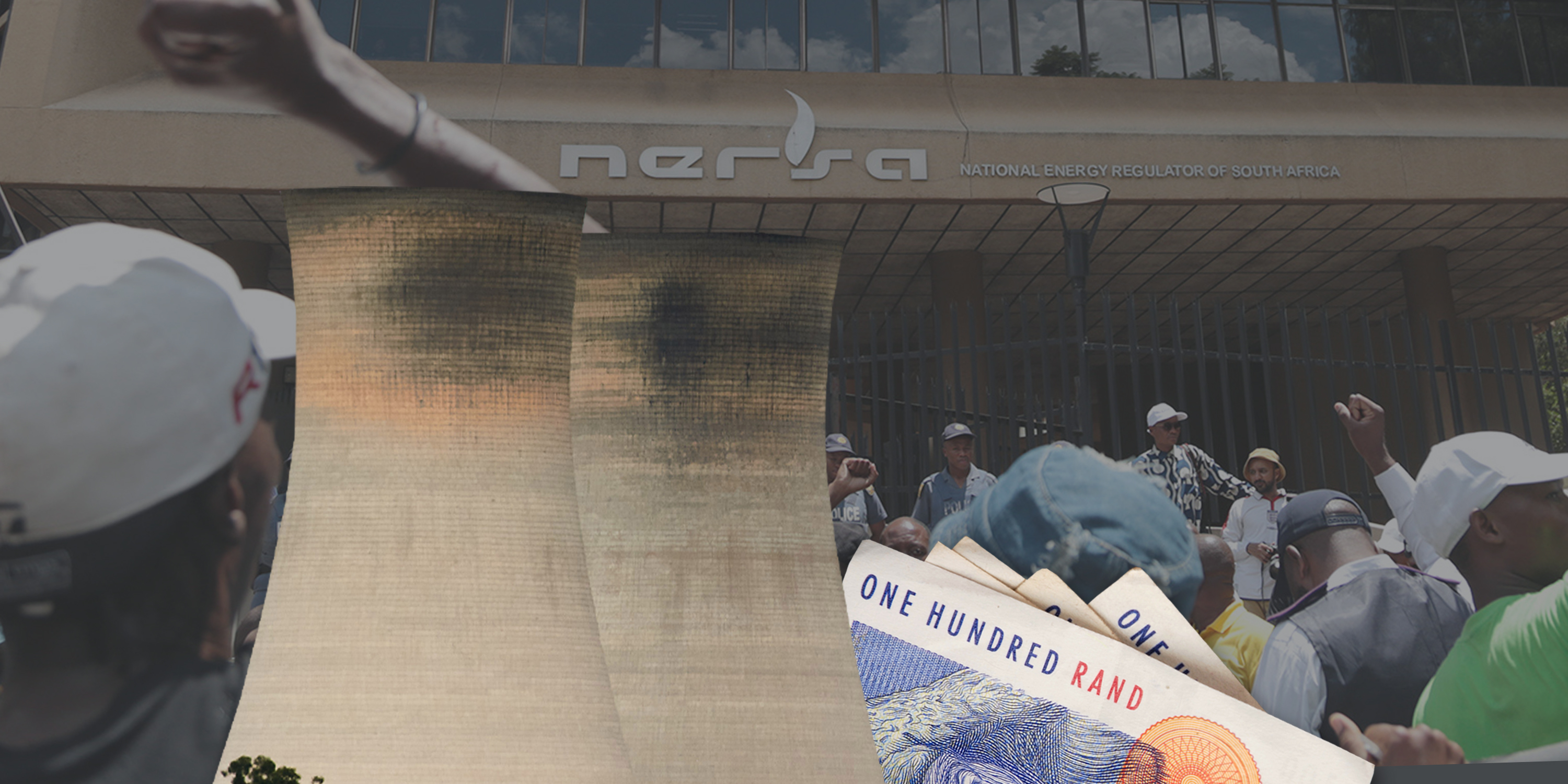
 Residents and businesses in Nelson Mandela Bay, already burdened by the high cost of living, will have to dig deeper into their pockets to keep the lights on, as the metro proposes a 9% electricity tariff hike for the 2026/27 financial year.
The National Energy Regulator of SA (Nersa) bulk electricity tariff increase for the new financial year has not been factored into the proposed 9%, as Eskom has yet to make the determination.
The metro is adamant that the mooted 9% tariff increment is not intended to cover financial deficiencies caused by massive losses worth R840-million in the first six months of the current financial year
There are various proposed tariff hikes for the different categories of businesses based on the type of enterprise, its size and how much electricity it uses, all of which range between 9% and 12%.
The high court’s decision to extend the tariff increase application deadline for municipalities to April allows the metro to conduct a thorough public participation process.
The city also has to submit an electricity cost-of-supply (CoS) study to justify the increase.
Public consultation on electricity
Public participation is an important part of the process, with communities and stakeholders given 30 days to comment on the increase.
A report by the metro’s senior director for retail and commercial management, Mvuleni Bukula, states that delays in the finalisation of the municipal tariffs had caused uncertainty.
/file/attachments/orphans/WhatsApp-Image-2026-02-08-at-1311_829531.jpg "NMB senior director for retail and commercial management Dr Mvuleni Bukula presents the proposed tariff increase of 9% for the 2026/27 financial year. (photo: Andisa Bonani)")
The matter was discussed in a joint electricity and energy, and budget and treasury committee meeting on Friday.
“Eskom’s bulk costs remain the most significant cost driver within the electricity distribution value chain. In the absence of Eskom’s confirmed bulk-tariff increase, the electricity and energy directorate has developed an indicative tariff increase proposal applicable to all customer categories.”
Bukula said the indicative tariffs are subject to revision once Eskom’s final bulk-tariff determination is published.
He said the indicative tariff increases for 2026/27 were derived using the average tariff increases approved in the previous two financial years.
“This approach provides a prudent, defensible and balanced basis for planning, while avoiding premature assumptions that could result in material tariff distortions.”
Nersa had indicated that Eskom’s bulk tariff determination was expected to be announced by the end of January 2026.
Once confirmed, the metro will finalise its CoS study and refine the proposed tariffs accordingly, before submission. As a result, the metro has not provided a tariff structure to determine how much electricity will cost per unit in the different consumption blocs.
Bukula’s report proposes that public participation be conducted in clusters instead of in wards. Nelson Mandela Bay has a total of 60 wards that are divided into six clusters.
Public consultation with external stakeholders and a digital communication campaign, including publication of cluster meeting details, radio interviews and social media campaigns are scheduled for 13 to 20 February.
The tariff increase comes as the city rejected a proposal for a rebate after large parts of the metro were plunged into darkness due to two collapsed transmission towers connected to a 132kV Bethelsdorp-Greenbushes power line.
Communities in the metro endure power disruptions on a regular basis, caused by ageing infrastructure and vandalism of municipal infrastructure that leaves households in darkness and production delays in small enterprises.
/file/dailymaverick/wp-content/uploads/2022/05/MC-NMB_11.jpg "Nelson Mandela Bay city hall. (Photo: Deon Ferreira)")
African National Congress (ANC) councillor Bulelani Matenjwa said he was concerned about informing residents about an increase that could change after Eskom has determined the bulk tariffs.
“If Eskom has not made an announcement on the tariffs, are we taking this 9% to the public? I’m concerned Eskom will increase the tariffs and people will become despondent and not pay because electricity is already expensive.”
Democratic Alliance (DA) councillor Ondela Kepe asked which department was responsible for the CoS study and what informed the proposed 9%.
“In your presentation, Mr Bukula, you mentioned that the city was not trying to bridge the current exorbitant electricity losses. Why then are we not increasing the tariff in line with the inflation rate of 3.6%?”
‘Bring back amnesty period’
ANC councillor Luzuko Peter suggested that the city focus on combating electricity meter tampering, which contributed to the losses.
“We once had an amnesty period where people who tampered with their meters were asked to come forward within a certain period to avoid being fined, and receive free meter replacement so they can start paying for electricity. The programme reduced losses and yielded contribution to the revenue collection.
“Tampering is our biggest enemy; the electricity directorate will always operate at a loss when some households and businesses don’t pay for the electricity they use,” Peter said.
African Christian Democratic Party (ACDP) councillor Lance Grootboom said the tariff increase would have a huge impact on residents and businesses.
/file/attachments/orphans/LanceGrootboom_133737.jpg "Nelson Mandela Bay ACDP councillor Lance Grootboom has questioned the wisdom of introducing a 9% tariff increase for electricity. (Photo: Deon Ferreira)")
“We’ve already lost R840-million in the medium term, and now we’re asked to approve a tariff increase without proper public participation. I’m concerned that this exercise was not done when we have court papers before us that are clear that public participation must be done. What if residents reject it? How did we get to this 9%?”
Economic Freedom Fighters (EFF) councillor Ndumiso Qwazi said he was concerned that conducting the public participation meetings in clusters would not encourage most residents to attend.
“Each cluster has approximately more than 100,000 voters, and not all those people will fill the community halls we have. I would suggest that we hold the meetings in wards, but I’m worried about the time to do this in all our 60 wards, but it’s important to get the true reflection of the public in this matter.”
DA councillor Brendon Pegram said the electricity department was factually bankrupt.
“Let’s hand over this department completely to Eskom. Half of what we make goes towards balancing the books. We can no longer pass the buck to the handful of paying customers. There are many businesses and people who can afford to pay, but are not. The majority of people who came forward during the amnesty period three years ago still don’t have meter boxes and have probably found other means to get connected to the grid again.”
Pegram said there was no political will from both the electricity and budget directorates to turn around their fortunes.
“You can’t publish a public participation schedule a day after it was meant to start. We can’t give people five days to comment on the tariffs."
Electricity cost-of-supply study
Responding to councillors’ concerns, Bukula said he wouldn’t be able to individually answer every issue raised, as information is still outstanding in the process of finalising the tariff increase.
“We appreciate the different views raised by councillors. We don’t take them lightly, but as I’m listening to the speakers, I realise there were issues that should have been taken care of but were not.
“I want to clarify two points, according to the Municipal Structures Act, councillors, officials and the community are a three-legged pot. This means we are all in this together, these tariffs belong to all of us, we need to own this process.”
Bukula said the metro would revise the public participation schedule to incorporate the points raised by councillors.
“We did not thumb-suck the 9% to fill the gap caused by current electricity losses. We got it using a tool to determine the increment percentages from the cost-of-supply study. We supply it with information including losses, inefficiencies and any other issue that affects the cost of supply,” he explained.
Bukula said the metro would not respond to individual stakeholder comments after holding the public meetings, but would compile and include them in the CoS study for consideration. DM