




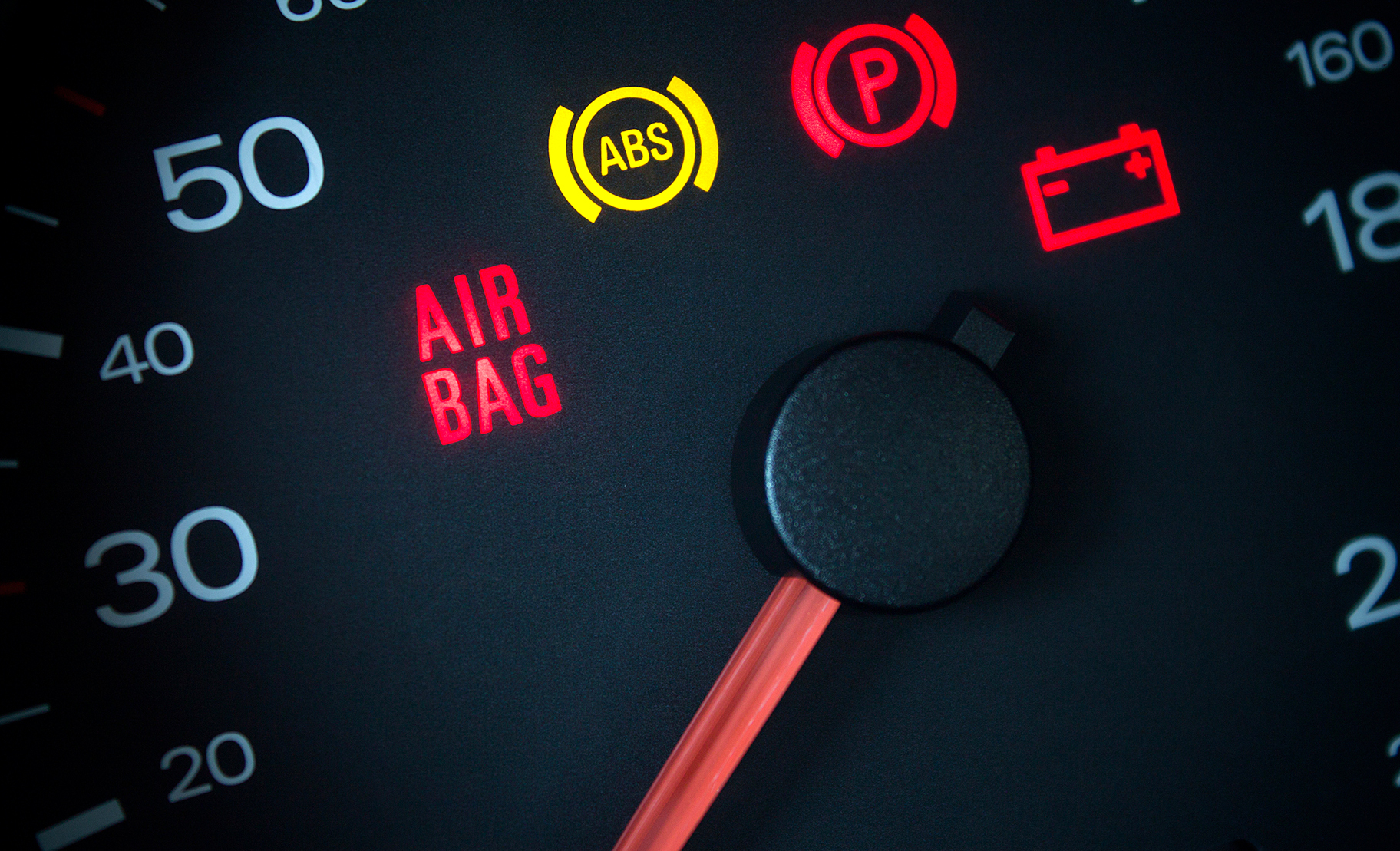
 The National Consumer Commission has notified the public of recalls for 323 Jeep Wrangler vehicles and 18,600 Kia models over safety-critical defects affecting airbags and ABS systems. (Photo: iStock)
 Another safety alert landed on South African roads this week in the form of Jeep and Kia recalls affecting thousands of vehicles. The latest recalls serve as a stark reminder that vehicle safety and regulatory oversight remain crucial to consumer protection in South Africa.
On Monday, 8 December 2025, the National Consumer Commission (NCC) alerted the public to recalls affecting Jeep Wrangler vehicles and various Kia models. Stellantis South Africa is recalling 323 Jeep Wranglers sold nationally between 2016 and 2018. The issue: dust inside the clockspring could compromise airbag circuits, potentially causing the airbag warning light to illuminate, or the driver’s airbag to fail to deploy in a crash.
Kia South Africa, meanwhile, is recalling 18,600 vehicles – including Sportage (SL, KM), Sorento (XM), Optima (TF), Cerato (TD), and Soul (AM) models sold between 2009 and 2015 – due to ABS fuse defects. ABS, or the anti-lock braking system, prevents wheels from locking during sudden braking, helping drivers maintain control. The defects may lead to ABS malfunction, increased stopping distances and in some cases, engine bay damage.
Consumers are urged to take these recalls seriously, arranging inspections and repairs at any authorised dealership at no cost.
Read more: From Rangers to roll-ons — the impact of product recalls
Legal and consumer perspective
Gerhard van der Merwe, senior associate at Trudie Broekmann Attorneys in Cape Town, described the defects as “extremely serious”. In the Jeep Wranglers, the fault could prevent airbags from deploying during collisions, risking serious injury or death. The Kia defects, while seemingly minor – a fuse replacement – could compromise the ABS system and engine bay, with potentially devastating consequences.
“Consumers are, under the Consumer Protection Act (CPA), entitled to goods that are, amongst others, in good working order, free of defects and which are not hazardous,” Van der Merwe said. If consumers suffer damages resulting from these defects, they may claim against the entire supply chain under Section 61 of the CPA.
While manufacturers generally offer free repairs for safety-critical faults, the CPA leaves it up to them to determine the best corrective action, guided by the National Consumer Commission’s product safety recall guidelines. Van der Merwe emphasised that, depending on the risk assessment, actions can include recalls, refunds, replacements, or at-home repairs. Consumers also retain the right to claim loss of value if they feel unsafe.
Older and second-hand vehicles
Many affected vehicles are older and may have changed owners. Van der Merwe advises current owners to contact manufacturers or authorised agents to check if their vehicle is affected. Both Kia and Jeep provide online VIN-check tools. A VIN, or Vehicle Identification Number, is a unique 17-character code assigned to every car that identifies its make, model, year and production details. Entering your VIN on the manufacturer’s website lets you confirm whether your Jeep or Kia is part of a recall.
Patterns and systemic issues
The spate of recalls in 2025, including these latest Jeep and Kia cases, suggests deeper issues in manufacturing quality and recall management in South Africa. Van der Merwe notes that many vehicles remain on roads for years before defects are identified, meaning some accidents could have been preventable.
He recommends a more active role for regulators in defect detection before vehicles reach consumers or inspections by an independent body to ensure compliance with CPA quality requirements. “In SA we focus on which driver was negligent… but we believe there’s too little focus on what went wrong mechanically – a proper diagnosis after each road incident is also important so that road deaths can be prevented,” he said.
Read more: September vehicle recalls underscore enduring safety concerns
What you should do
Jeep Wrangler (2016-2018): Check for airbag circuit defects and arrange inspection and repair at an authorised dealership.
Kia Sportage, Sorento, Optima, Cerato, Soul (2009-2015): Check ABS fuse and arrange repair with an authorised dealership if affected.
For both brands, repairs are free. Consumers who feel unsafe may consider discussing replacement or refund options with the manufacturer.
Consumer rights and the NCC’s role
The NCC requires suppliers to notify the public of defects immediately and offer repair, replacement or refund. Reaching second-hand owners can be challenging, but official VIN checks and dealership coordination aim to mitigate this.
Van der Merwe highlights that companies are judged not on perfection, but on the quality and timeliness of their response to defects. He emphasised how swift action and clear communication could preserve and even strengthen consumer trust.
Bottom line
The Jeep and Kia recalls are more than a technical bulletin; they expose ongoing gaps in vehicle quality control and recall management. For South African consumers, the message is clear: check your vehicle, act promptly and know your rights. DM