


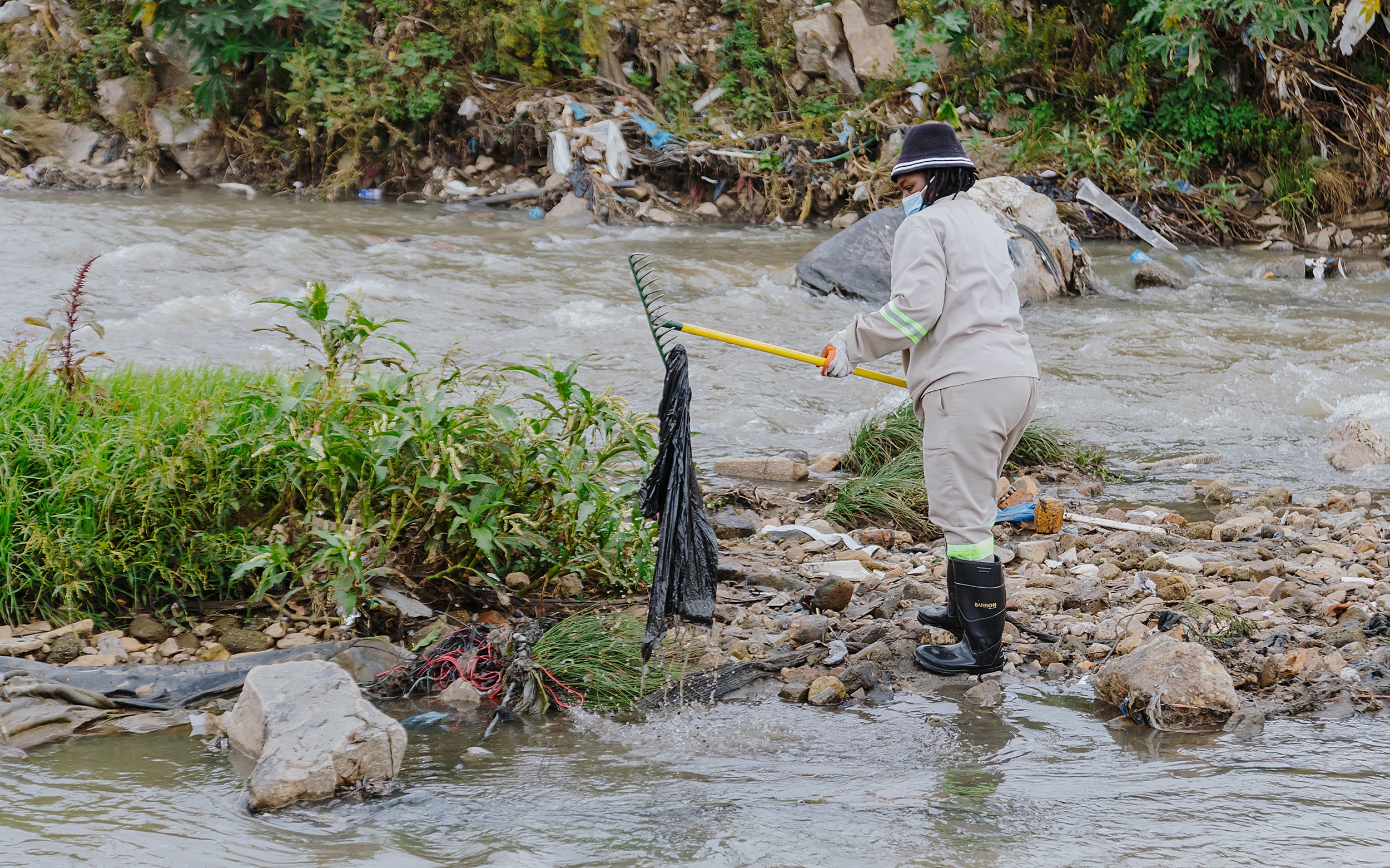
 A volunteer collects rubbish from the Jukskei River. (Photo: SUNCASA / JIYP)
Whoever wins on 4 November inherits a city already being rebuilt, street by street, by people who didn’t wait for permission. The new council owes them far more than applause.
Someone said to me recently, as if letting me in on a secret: “It’s suburban white women who are spearheading the neighbourhood initiatives across Johannesburg.”
It’s a demeaning comment. Not only does it erase people across Joburg, it ignorantly suggests that caring for this city is a lifestyle hobby that belongs to one postcode and one race. Anyone who has spent time beyond a narrow slice of this city knows that its most determined civic work often happens in places with the fewest resources and the least recognition.
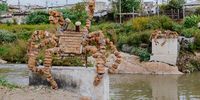
Months ago I spent a day with the Alexandra Water Warriors on the Jukskei, a river most Joburgers know only from flood headlines. The Warriors see it as worth fighting for. They pull out plastic, tyres and things you don’t want to name, and have built imaginative litter traps, because the river runs through their neighbourhood and nobody else was coming. Bricks and debris recovered from the water now stand as artworks shaped like water creatures, teaching residents what this river is worth.
At Lebo’s Soweto Backpackers in Orlando West, a place I know well, the late Lebo Malepa turned a dump site into a community park and abandoned land into a food garden. When Covid-19 hit, that garden fed hundreds of people who had lost their income. Lebo didn’t wait for a municipal programme or a donor conference. He looked at neglected ground and saw what it could be.
On a walk in Kliptown, one of the city’s oldest settlements, I came across young men proudly greening barren lanes with a handful of plants and a few buckets of water.
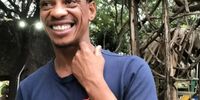
Clearing illegal dumping sites in Soweto
This month, a video stopped me mid-scroll: Khabiso Ya Lefatshe and partners clearing illegal dumping sites in Soweto. There are more dumps to clean, millions of trees to plant and food to grow so communities can sustain themselves. Separate your waste from your recyclables, they urged, because a working recycling economy creates jobs. That is not a lifestyle project. It is economic and environmental policy, delivered by residents with gloves and bags.
When I shared the video, the comments were filled with names, revealing a movement by the people, for the people, from Soweto to Hyde Park and Alexandra to Lorentzville.
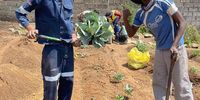

Water for the Future Global South is helping a city with so little water of its own rethink its relationship with its rivers, employing 110 people to care for the upper Jukskei. The Friends of Zoo Lake and the Friends of Zoo Lake Pool keep a much-loved public space open. Volunteers at Melville Koppies protect one of the city’s most precious patches of indigenous veld. Pave the Way is creating employment opportunities, while addressing unstable housing opportunities and cleaning Joburg’s roadsides.
Nor is it only rubbish and rivers. The Melville Art Mile initiative has sparked a neighbourhood rejuvenation project. The Friends of the Johannesburg Art Gallery fight for one of the continent’s great public collections. Jozi My Jozi works for a liveable inner city. Young Urbanists bring a new generation into debates about who the city is planned for.


So who is doing the work? Young and old, township and suburban, defined by neither race nor gender. Artists, scientists, students, gardeners, swimmers and hikers: everyone who decided not to wait.
To whoever takes the council seats after 4 November, regardless of party: you inherit a city whose residents have been carrying the load you were elected to carry. You owe them more than a thank you post.
New ways of living together
You owe them imagination. It would be easy to read the clean-ups as a call for more enforcement: more fines, more inspectors, more bylaws. Bylaws matter; nobody is asking you to scrap them. But these people aren’t asking the City to police harder. They are showing us new ways of living together.
So open up those possibilities rather than shutting them down. Joburg needs safe public space where people from different parts of the city meet, and streets that put people before cars. Pedestrianise a block for a Sunday, then a precinct, and watch who comes out. Let neighbourhoods close a street for a market, a festival or a game of soccer without months of paperwork and prohibitive costs. A city where people gather is a city people look after.
You owe them a seat at the table. They know which drains block, which parks feel unsafe after dark and which open land is waiting to become a garden. Bring them into ward committees and budget planning early, while decisions can still change, not afterwards for a photograph.
You owe them a City that says yes: simple permission to use neglected public land, water connections for food gardens, refuse collection on clean-up days, and partnerships with City Parks and Johannesburg Water that outlast a term of office.

And you owe them honesty. Don’t claim their work as your delivery, or let their unpaid effort excuse the City doing less. Ward councillors, your proudest work cannot be forwarding water and electricity faults that residents have no power to escalate.
The measure of your term will be simple: Did the people already leading the way find it easier, or harder, to keep going?
And to the person with the knowing half-smile: come for a walk. I’ll introduce you to the people actually fixing this city. Bring gloves. DM
Laurice Taitz-Buntman is an avowed urbanist and the founder of Johannesburg In Your Pocket, a city guide and media platform dedicated to reframing Johannesburg through storytelling, travel and urban experience.
Daily Maverick’s Joburg Bureau is for people who love this city. Get the latest Joburg news, events and conversations sent straight to your phone every Friday. Join the WhatsApp Community.
Comments
Scroll down to load comments...