



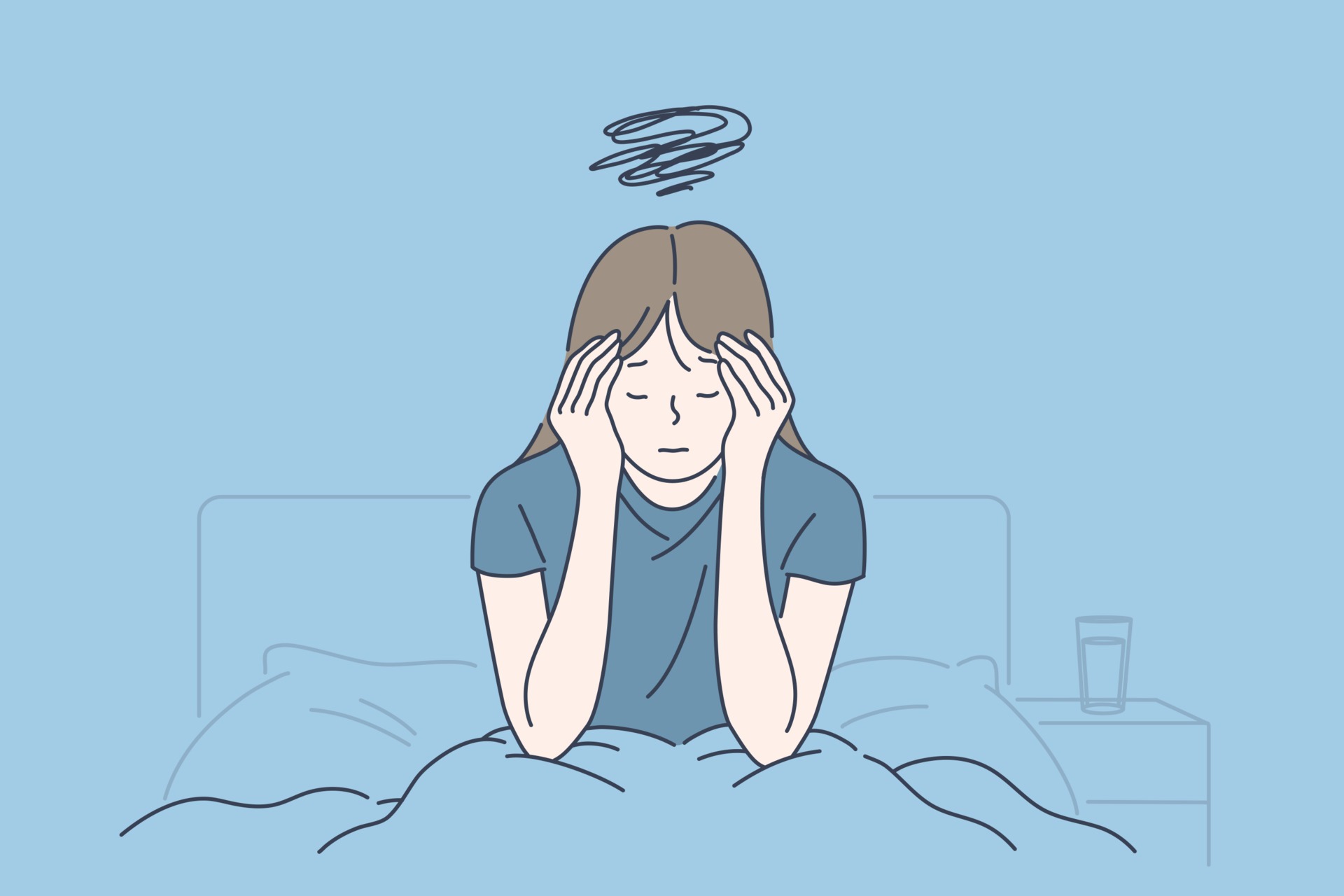
 (Illustration: Dzianis Vasilyeu / Vecteezy)
One of the first things we reach for during a sleep disturbance is sleep hygiene – something that comes up in a Google search before sleep help. Many of us will have a vague idea of what this is: drinking less coffee, avoiding screens after a certain time, exercise or meditating. Yet, for most who have tried this will know (frustratingly) that it seems to do little for our sleep troubles.
Sleep hygiene, itself a curious term, was chosen as there was no better term available to Dr Peter Hauri when he wrote the first rules of sleep hygiene. It brings to mind a kind of sterility and coldness – often what we experience from these manoeuvres that bring us little rest. Why is it that sleep hygiene does so little for ensuring a good night’s rest?
We can begin thinking about two kinds of sleepers: the good and the bad. A so-called good sleeper can have a coffee after dinner, watch a horror movie, brush their teeth and fall asleep as soon as their head touches their pillow.
And for bad sleepers, an evening routine is more of a trapeze act and is one gust of wind away from catastrophe. Good sleepers tend to have little sleep hygiene, while all insomniacs tend to have very good sleep hygiene.
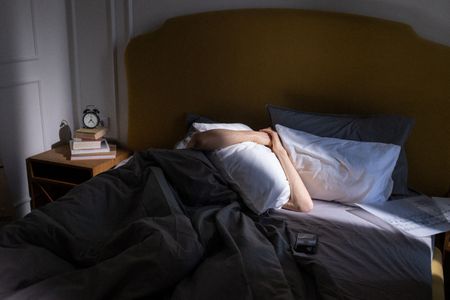
Research has shown that sleep hygiene alone is insufficient to help insomnia and sleep disturbances. This might seem counterintuitive until we pause for a moment. Imagine visiting your doctor for some ailment and all they do is recommend bed rest. While this may help, it is predicated on the idea that the illness will pass naturally. Yet sleep challenges seldom follow such a trajectory.
Typically, there is some acute disturbance to our sleep, be it a terrible deadline, a mounting body of stress, or a personal issue from a break-up to grief. Then, as our sleep becomes more disrupted, we begin to make moves that end up making the problem worse.
Like many coping mechanisms, they seem adaptive at first, yet over time become rather damaging. For example, spending more time in bed: it seems like the logical step when we are tired. Yet, as we continue to battle to sleep, our bodies and minds come to learn that the bed is not a place to sleep at all; but rather where we go to languish and problem solve.
Instead of reaching for sleep hygiene when we have a run of bad nights, we should begin by looking at the cause of our sleep woes. What daytime business are we bringing into the bed? And then, how are we responding to our exhaustion?
It is not that we are stupid, or do not try hard enough. Indeed, much of our inability to sleep comes from how much effort we put into the whole endeavour. Rather than a hopeful and desperate shotgun approach, we need a specific treatment for the cause of insomniac tendencies. We must unpack what is keeping us up and respond to that outside of the bedroom, leaving the bed as a place for rest.
Then we might be able to enjoy the evening bath and cup of chamomile tea for what it is: something to be sunk into rather than a cure-all for our troubles. Who knows, you might even enjoy it. DM
Dr David Backwell is a medical doctor working in sleep medicine, based in Cape Town.
Comments
Scroll down to load comments...