


 Photo supplied.
A business may be unable to trade for days, weeks or even months while repairs are completed. During that time, income can be affected, while many expenses may continue. Understanding what business interruption insurance is can help businesses prepare for the financial challenges that may arise when normal operations are disrupted.
What is business interruption insurance?
Business interruption insurance is designed to help protect a business against the financial impact of an insured event that prevents it from operating as usual.
While property insurance focuses on loss or damage to physical assets, business interruption cover focuses on the financial loss as a result of the interruption itself.
For this reason, it is often referred to as loss of income insurance for business. It recognises that recovering from an insured event is not only about restoring property, but also about helping the business navigate the period between disruption and recovery.
What does OUTsurance business interruption insurance include?
Business interruption insurance from OUTsurance Business insurance provides cover for loss of gross profit, gross rental or revenue following damage to your business caused by insured perils such as fire, explosion, storm, wind, hail and impact.
Optional cover is available for certain additional risks, including theft, machinery breakdown and accidental damage
OUTsurance Business Insurance offers optional cover for the loss of gross profit, gross rental or revenue following damage from an insured peril to a supplier’s or customer’s premises, helping businesses consider risks that may extend beyond their own location.
The costs that don't stop when operations do
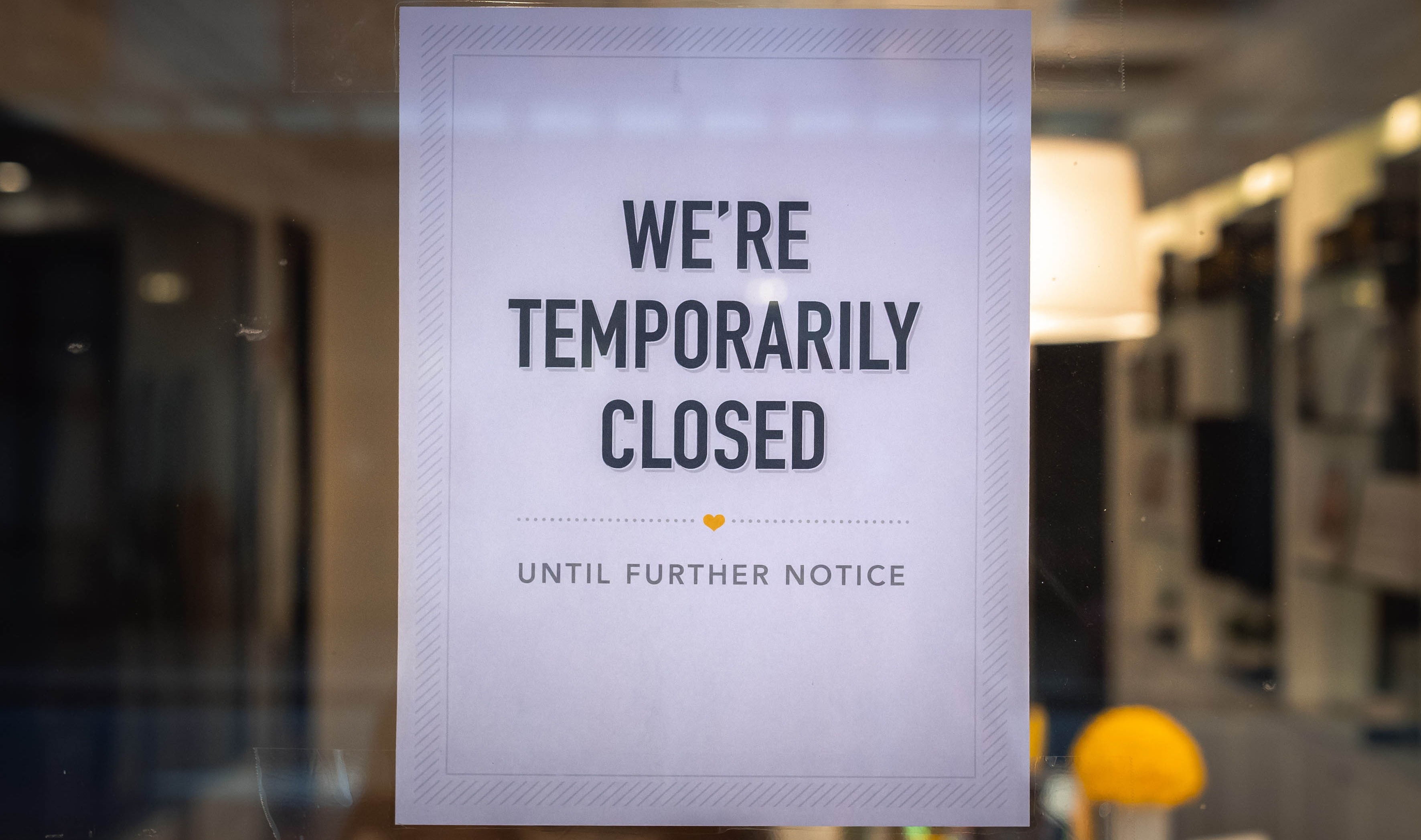
When a business is forced to temporarily close or reduce operations following an insured event, the financial impact can extend beyond the cost of repairs.
Expenses such as rent, salaries, loan repayments, utilities and other ongoing operational costs may still need to be paid. Depending on the nature of the business, there may also be supplier commitments and contractual obligations that continues during this period.
At the same time, income may be reduced or interrupted altogether.
This combination of continuing expenses and reduced income can place pressure on cash flow at a time when the business is already dealing with operational challenges.
Recovery can take longer than expected
A common misconception is that a business returns to normal as soon as repairs are completed.
In reality, recovery often involves more than rebuilding premises or replacing equipment. New stock may need to be sourced, production schedules restored, customer orders fulfilled, and normal trading patterns re-established.
For example, a manufacturer affected by a fire may need to wait for specialised equipment to be repaired, replaced or imported before production can resume. A restaurant that suffers storm damage may reopen only after essential repairs, health inspections and supplier arrangements have been finalised.
The impact of an insured event can therefore continue long after the damaged property has been repaired.
How is business interruption cover determined?
Choosing the right level of cover requires a clear understanding of how the business operates financially.
Important considerations include:
Annual revenue or gross rentals
Net profit
Ongoing operating expenses, such as payroll commitments and loan and rental obligations.
Why regular reviews matter
Businesses evolve over time.
Revenue may increase, additional employees may be hired, new premises may be opened, or new services may be introduced. As these changes occur, insurance requirements may change too.
Reviewing cover regularly can help ensure that business interruption insurance continues to reflect the financial realities of the business. What was appropriate a few years ago may no longer align with current operations, expenses or turnover.
Regular reviews can also help business owners better understand how changing circumstances may affect their exposure to risk.
What is the indemnity period in business interruption cover?
The indemnity period is the maximum length of time during which business interruption cover can respond following an insured event. It starts when the insured event occurs and is intended to allow time for the business to recover and return to its normal level of operation.
Choosing an appropriate indemnity period is important because recovery may involve more than repairing damaged property. Replacing equipment, restoring operations, rebuilding stock levels and returning to normal trading can all take time.
Business risk goes beyond buildings and equipment
Protecting a business involves more than safeguarding physical assets.
Buildings, equipment and stock all play an important role, but business continuity also depends on the ability to manage periods when operations are affected by an insured event. Understanding what business interruption insurance is, is an important part of that broader conversation.
By considering both physical damage and the potential financial impact of downtime, businesses can make more informed decisions about protecting their operations.
At OUTsurance, we believe effective business insurance starts with understanding how a business works as a whole. That's why it's important to consider not only the assets that help a business operate, but also the financial impact of interruptions that can affect income and day-to-day operations.
Because when your business is prepared for the unexpected, you get confidence, continuity and peace of mind OUT. DM
OUTsurance is a licensed insurer and FSP. Ts and Cs online.