




 Photo: Pexels
Heritage Day deserves more. It deserves reflection, conversation, and a renewed commitment to understanding the many threads that, woven together, make up the fabric of South Africa.
South Africa is home to eleven official languages, dozens of ethnic and cultural communities, and a kaleidoscope of traditions shaped by indigenous African roots, colonial histories, Asian and European immigration, and the creative fusion that emerges when all these live side by side. As Archbishop Desmond Tutu famously observed, "We are the rainbow people." That metaphor endures because it captures something true: South Africa's beauty lies not in uniformity but in diversity.
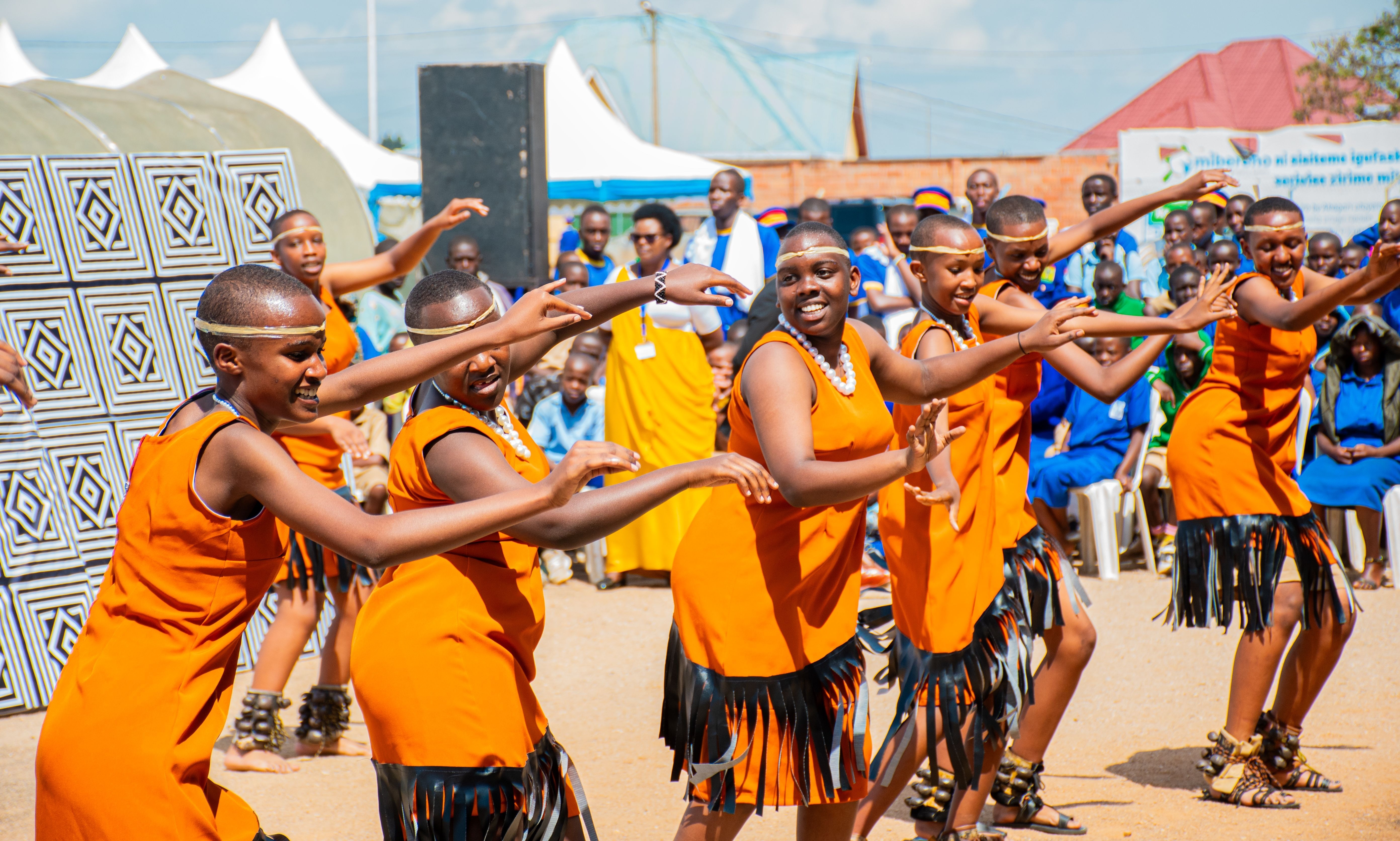
Heritage, in this context, is deeply personal and wonderfully plural. It is the gumboot dance passed down in mining hostels, the roti recipe perfected over generations in Durban, the Afrikaans folk song sung on a Free State stoep, and the click consonants of isiXhosa poetry that echo across the Eastern Cape hills, the sharing of food before the fast is broken during Ramadan and the walking to Shul on Fridays in many neighbourhoods across South Africa. Each tradition is a living archive, a way of making sense of the world. It is in that spirit of creation – not grievance – that Heritage Day finds its deepest purpose.
It is important to draw a clear line between heritage and nationalism. Heritage celebrates identity – it says, "This is where I come from, and I carry it with pride." Nationalism, by contrast, too often says, "My group is superior, and others must conform or step aside." The former opens doors; the latter builds walls.
Nelson Mandela understood this distinction acutely. In his autobiography, Long Walk to Freedom, he wrote: "No one is born hating another person because of the colour of his skin, or his background, or his religion. People must learn to hate, and if they can learn to hate, they can be taught to love." Heritage Day, at its best, is an exercise in that teaching – an annual reminder that cultural pride need not come at anyone else's expense.
Heritage Day's origins are themselves a story of transformation. The date of 24 September was historically observed as Shaka Day. When South Africa's new democratic government set about creating a shared calendar in the mid-1990s, there was fierce debate about whether to retain, rename, or replace the occasion. The compromise was elegant: the day would belong to every South African, not just one group. It would celebrate all heritages equally, turning what could have been a source of division into an instrument of inclusion.
That founding intention still matters. As the Constitution's preamble declares, South Africa belongs to all who live in it, "united in our diversity."
In a country still grappling with inequality, land dispossession, gender-based violence, and the long shadow of apartheid. Heritage Day asks us to step into one another's traditions — to attend the maskandi festival even if you grew up on boeremusiek, to learn a few words of Sesotho if your mother tongue is English, to listen to the stories of communities whose histories were silenced for decades.
As writer and activist Steve Biko once urged, "The most potent weapon in the hands of the oppressor is the mind of the oppressed." Heritage plays a vital role in that project, because a people who know and respect one another's stories are far better equipped to build a just society together. Reclaiming and sharing our heritage is an act of liberation – not only from past injustice, but from the ignorance that allows division to persist.
Heritage is not a relic to be preserved under glass but a dynamic conversation about who they are and who they are becoming.
This Heritage Day, resist the urge to let the holiday pass as just another long weekend. Cook a dish from a culture not your own. Visit a museum, a heritage site, or a community festival. Ask your neighbour about their family's story. Read a poem in a language you do not speak. Share your own traditions generously and receive those of others with curiosity.
South Africa does not need its people to be the same. It needs them to be genuinely interested in one another. That interest – humble, patient, and sincere – is the truest way to honour our heritage, all of it, together.
Author: Natasha Wagiet, Pro bono Manager | ENS