




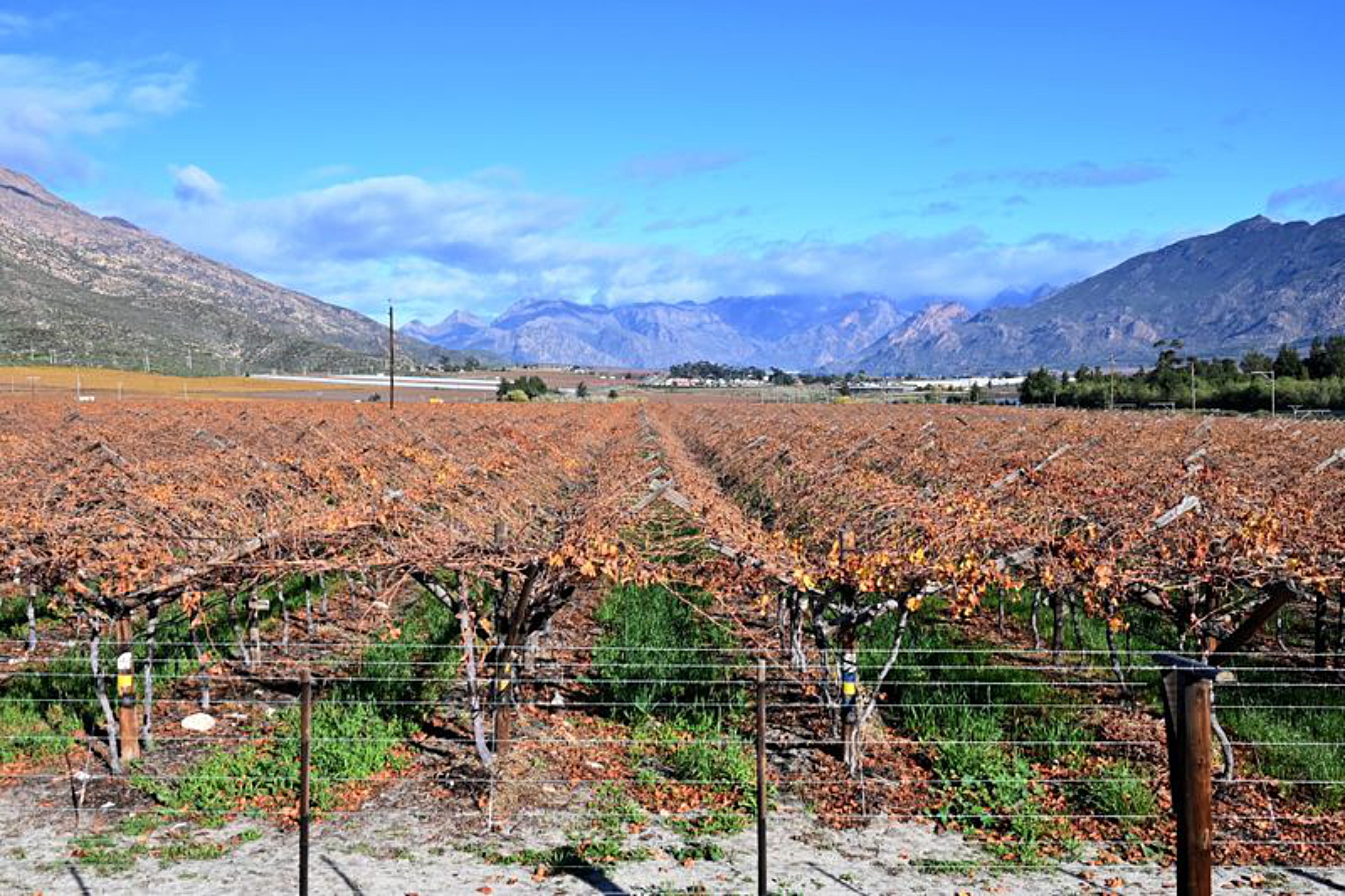
 The expected very strong El Niño of 2026/27, in combination with global warming, is likely to result in 2027 being the warmest year yet recorded. (Photo: Nathi Nqobile)
As of 15 September The Climate Brink records that sea surface temperature anomalies in the central-eastern equatorial Pacific, characterised by El Niño, have strengthened to +3.01°C above average.
According to the World Meteorological Organization (WMO), El Niño is characterised by unusually warm ocean surface temperatures in the central and eastern Pacific. In the Pacific Ocean, warmer-than-normal ocean temperatures usually mean El Niño conditions, which occur when easterly trade winds become weaker, the WMO says.
There is a near 100% likelihood that El Niño will persist until February 2027, according to the organisation.
According to the South African Weather Service (SAWS), most El Niño events bring conditions of below-normal rainfall and above-normal temperatures to the southern African region.
The service’s latest seasonal forecast for October to December 2026 indicates that below-normal rainfall is the most likely outcome over most of South Africa. The country is also very likely to see above-normal temperatures during this period. The rainfall and temperature forecast for November 2026 to January 2027 is very similar to October to December 2026, with the most likely outcome being drier and warmer conditions over most of the country.
Although below-normal rainfall is statistically the most likely outcome in southern Africa this summer, not every El Niño event is associated with drought. The very strong El Niño event of 1997/98 was associated with slightly above-normal rainfall over parts of South Africa’s summer rainfall region.
Global warming cannot be ignored, SAWS seasonal forecaster Christien Engelbrecht told Daily Maverick. Global warming and El Niño can act together to make temperatures even warmer if the weather patterns follow SAWS’ current predictions, Engelbrecht said.
The expected very strong El Niño of 2026/27, in combination with global warming, is likely to result in 2027 being the warmest year yet recorded. If this El Niño event brings the expected below-normal rainfall to southern Africa, it is likely that a high frequency of heatwaves will co-occur and these have the potential to be severe. However, the eventual strength and regional impacts of El Niño remain uncertain.

Food production and food price risks
At this stage, El Niño must be regarded as a significant production and price risk rather than confirmation of crop losses or food price increases, said Ikalafeng Kgakatsi, the director of the Disaster Management and Climate Change Directorate at the Department of Agriculture, Land Reform and Rural Development.
According to Kgakatsi, the above-normal rainfall in the 2025/26 summer provided a vital buffer by boosting dam levels and initial soil moisture, aiding in South Africa’s current record maize supply.
The latest figures from the Crop Estimates Committee (CEC) indicate that South Africa enters the 2026/27 marketing period in a relatively strong maize supply position, he said. The CEC’s August 2026 forecast placed the 2026 commercial maize crop at about 17.40 million tonnes, with about 9.4 million tonnes of white maize mainly used for human consumption and around 7.91 million tonnes of yellow maize mainly used for animal feed.
South Africa’s maize supply is about 4.5% higher than the 2025 crop of about 16.65 million tonnes, he explained. This strong harvest together with available carryover stocks should provide an important supply buffer during the early part of 2027.
According to senior agricultural economist at FNB Commercial Paul Makube, the projected maize closing stock level of 5.12 million tonnes as of 30 April 2027 represents a significant supply cushion, which should help contain upward pressure on maize prices and mitigate the risk of a sharp acceleration in food inflation.
South Africa’s strong maize supply erodes animal feeding margins and lessens the potential of an increase in meat prices, said Makube. El Niño conditions could force livestock producers to shrink their herds and send animals to be slaughtered, which would prevent a surge in meat prices and provide relief in the short to medium term, he said. However, meat prices were at risk of rising once normal weather conditions return and farmers started rebuilding their herds in the longer term.
Makube also explained that since vegetables are produced mostly under irrigation and South Africa has seen elevated dam levels, there is a chance that vegetable prices will not increase.
Consequently, El Niño would not automatically result in an immediate food shortage or a sharp increase in food prices. However, the CEC’s current figures relate to the 2026 harvest and do not guarantee the outcome of the 2027 harvest. Additionally, during the 2026/27 summer season the anticipated high temperatures and below-normal rainfall could cause severe heat stress, reduced crop yields and greater decrease in crop production for various crops across the country, Kgakatsi said.
If food prices increase, consumers will only feel the impact in late 2027, and if El Niño conditions manifest, according to Makube.
Makube said dryland crops or crops grown in rain-fed conditions remain vulnerable to extreme heat and below-normal rainfall. Crops such as maize, sunflower, soybeans and potatoes will be the most vulnerable during summer.
Further, according to Kgakatsi, intense heat could accelerate soil evaporation and evapotranspiration, stripping essential moisture from fields during critical planting and growing windows for summer grains like maize, sorghum and soybeans.
El Niño could pose irrigation risks, he said. Low rainfall could reduce dam levels, triggering potential water restrictions that limit vital irrigation for vegetables, fruits and field crops, especially grain production.
Additionally, higher ambient temperatures create favourable breeding conditions for agricultural pests and crop diseases, he said. Anticipated hot conditions during summer are usually associated with related pests and diseases, so farmers are urged to continually scout and put control measures in place where necessary, he added.
Livestock deaths can also occur during hot and dry periods, especially when additional feed is not provided, Kgakatsi said.
/file/attachments/orphans/Iman-ElNio_809461.jpg "A maize field flooded at Farm Pampita on February 13, 2025 in Jagersfontein, South Africa. It is reported that Wimpie van der Merwe lost 72 hectares of maize crop when 80mm of rain and hail fell on his farm in just 35 minutes. (Photo: Gallo Images / Volksblad / Mlungisi Louw)")
Department of Agriculture’s advice to farmers
Farmers should be on the lookout for the monthly seasonal forecasts issued by SAWS and the monthly advisories from the Department of Agriculture, Kgakatsi said. These contain comprehensive strategies on crop production, water and livestock management, among others, to ensure farmers are prepared and implement related prevention and mitigation measures, he explained.
Crop farmers must prioritise suitable cultivars such as those that will withstand dry and hot conditions, he advised. They should also prioritise cultivars as listed in the National Varietal List in compliance with the Plant Improvement Act 11 of 2018.
They are also encouraged to keep livestock in balance with the carrying capacity of the veld and available grazing, which can be done by ensuring there is no overstocking which leads to overgrazing that exacerbates the impact of drought and causes deaths, he said. Farmers should always practise best veld management strategies such as rotational grazing and provision of additional feed.
Farmers need to use water sparingly and should always conserve resources through mulching, water harvesting and best irrigation methods such as drip, he explained. They are always encouraged to irrigate at suitable times that conserve water, such as in the morning or evening. They are also urged to comply with water restrictions in their areas should there be insufficient rain.
Dry and hot conditions during summer are usually associated with pests and diseases, so farmers are urged to continually scout and put control measures in place where necessary, which includes regular vet visits and vaccinations, Kgakatsi said.
Farmers and farmworkers on El Niño
Potato farmer and board member at Zandrug Boerdery Jannie Basson predicts that South Africa’s experience of the coming El Niño will be worse than the previous one, because 2026 was already a difficult year for South African farmers due to high input costs and low commodity prices caused by conflict in the Middle East.
Basson added that the citrus and potato market conditions negatively affected the financial situation for farmers and caused unforeseen debt going into 2027.
To adapt to potential low rainfall and above-average temperatures, Zandrug Boerdery will not plant any potatoes during high summer, but instead at the end of summer and into winter. From February it plans to irrigate the crops at night until midmorning. Irrigation will strictly take place according to soil moisture monitoring software and potato fertiliser programmes will be administered according to average daily temperature and irrigation water available.
Seasonal farmworker Zinhle Genje expressed concerns about working during potential heatwaves. She fears developing skin rashes in particular. In the past she had developed rashes from working with table grapes sprayed with pesticides in times of intense heat. Genje said working among pesticides during heatwaves is very difficult, and in the past it had made her cough and irritated her eyes.
/file/attachments/orphans/Iman-ElNio_105058.jpg "Agricultural produce at the Nampo Agricultural Trade Show on May 14, 2024 in Bothaville, South Africa. The trade show is a major agricultural exhibition that showcases agricultural machinery and livestock and provides producers with the chance to learn from experts. (Photo: Gallo Images / Volksblad / Mlungisi Louw)")
A potential test of South Africa’s food systems
According to senior researcher in climate policy and food systems at the Institute for Economic Justice Andrew Bennie, El Niño points to the importance of addressing inequality in South Africa and the importance of properly considering and using economic and social policy tools to build resilient food systems.
Agrocecology should be on the government agenda to increase resilience in food production through water retention, improving soil health, increasing biodiversity in food and farming, he said.
Economic or labour market policies should also be considered to conceptualise how households can become resilient, he added. Structural mechanisms are needed so labour market policies can ensure decent employment, which is important for households’ resilience. The introduction of a basic income grant would also be an important aspect of building resilience when food prices could rise, he said.
“El Niño is a stress test for South Africa’s unequal, concentrated and ecologically fragile food system,” said executive director of the African Centre for Biodiversity Mariam Mayet.
It will test not only harvest and water systems, but also the power of concentrated food corporations and the weakness of public support, particularly for vulnerable poor households, farmworkers and small-scale farmers, she said.
The government must have an effective disaster response and provide emergency water access, according to Mayet. Targeted relief must be provided for small-scale producers, women farmworkers, especially small-scale farmers in communal areas, informal settlements and in food-insecure households; stronger school feeding, community nutrition and social protection should also be provided, Mayet said.
South Africa needs strict scrutiny and monitoring of staple and fresh produce prices in real time and the government must be ready to act against profiteering and excessive mark-ups and use emergency procurement to support local market informal traders, community kitchens and public institutions rather than rely on intermediaries, she added.
Private sector accountability was also needed – this sector must be able to justify food prices, avoid excessive mark-ups, maintain fair buying terms and protect workers from retrenchment and unsafe heat conditions. DM
Comments
Scroll down to load comments...