




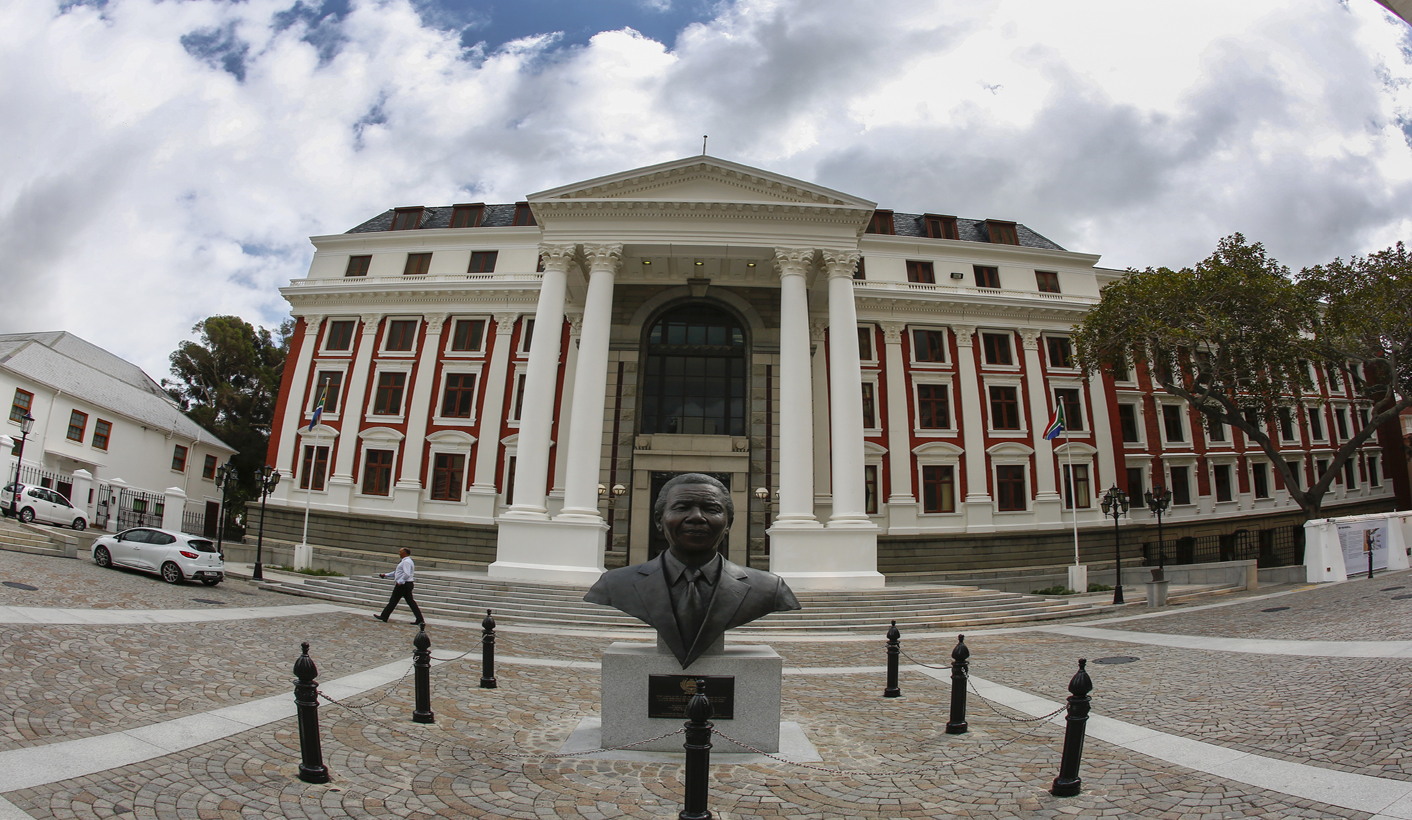
 South African Parliament
South Africa’s Parliament does not suffer from a lack of attempts at effective oversight. There are audits conducted, oversight visits carried out, and thousands of questions being asked. On paper, it presents a well-oiled machine, but with all these mechanisms in place, are things really changing?
Reflecting on the current context, we still see the same issues arise. Problems like stalled infrastructure projects, vacant senior positions, procurement failures, and the promise to fix them are accumulating year after year. Parliament records all their meetings, reports and questions, but we have to ask a hard question: are all these activities improving the felt reality of South Africa? MPs are clearly busy, but citizens are still left wondering who ultimately is held accountable. Towards responding to this question, OUTA’s 2026 Parliamentary Oversight Report (POR) covers the period from 1 July 2025 to 30 June 2026, and we paint a picture that deserves recognition for follow-through, whilst we cannot dismiss any weaknesses.
The second year of the 7th Parliament was undeniably active. We see that committees have increased their oversight activities, and continue to receive quarterly progress reports, time-bound action plans, implementation and evidence of corrective actions. Below, we reflect on four key instances of oversight: Questions & Answers, Budgetary Review and Recommendation Reports (BRRRs), oversight visits and committee attendance.
During this period, MPs submitted 7,771 questions, an increase from 6,762 in the previous period. Almost 94% were written questions. About 89.8% of the written questions were eventually answered; only 26.6% received timeous replies, showing a decrease from the first year.
/file/attachments/2997/MPsQuestionshi-res1_866035.jpg)
A parliamentary answer can become less useful as the weeks go by and result in poor accountability. Time and again we have seen how concerns tend to receive urgent attention only after a political party, journalist or member of the public shines a spotlight on it. Parliament should be ahead of this spotlight, instead of reacting to it. The Presidency and Deputy Presidency achieved full compliance with their smaller, highly structured sets of questions, while several departments struggled with compliance. Late replies can be avoided with better systems, increased capacity and managerial discipline. We need to understand that delays are not a harmless administrative weakness.
We need to be clear about what oversight actually entails. For example, a committee can summon a departmental or entity representative, such as the Minister, DG or the CEO, question them about unsatisfactory performance, and insist on corrective measures. However, merely reprimanding poor performance lacks weight, whilst the governmental representatives assume that accountability has been achieved. But what happens next year, when the same individual returns with the same excuses for the same failures? To us, this is not hypothetical; it is a pattern; it’s the reality we face.
When looking at ParliMeter, we see similar trends with the 2025 BRRRs. Across all 30 portfolio committees and relevant standing committees, 1,047 recommendations were recorded. Of these, 810 were unresolved recommendations carried over from the 6th Parliament, while 237 were new.
/file/attachments/2997/BRRRs1hi-res_139291.jpg)
This mirrors what we observed with the non-compliance in responding to questions on time! The figure of repeat recommendations alone should stop us in our tracks, because it highlights repeated instances where addressing recommendations is not prioritised. In addition, the backlog can also point to weak tracking, lack of implementation and remedial deadlines, and no real consequences. Although we are cognisant that some reforms take years due to their complexity or constrained resources, it should not excuse the lack of political will.
Oversight visits bring MPs face-to-face with conditions that departmental presentations mask, such as distressed municipalities, negligent NSFAS administration, unsafe learner transport, digital exclusion and service delivery failures affecting vulnerable communities. Now let’s look at the reality of these: oversight visits are moot if they don’t result in follow-ups and meaningful improvements. There are examples of some committees having follow-up engagements with Departments and entities to oversee whether the recommendations in their oversight reports are being implemented. This practice needs to be scaled up. Public hearings can comply with procedures while still leaving citizens unsure of whether their inputs influenced the decision-making. Parliament continues to make strides to strengthen civic education, enhance reporting on public hearings and broaden its outreach to a diverse audience. However, meaningful participation requires Parliament to report back and respond to the following questions: What issues did citizens raise? What did we change? What was rejected and why? If Parliament is able to answer these questions, it can start building more meaningful public participation.
Finally, let us consider parliamentary committee meetings. Here we observe encouraging signs worth acknowledging. Parliament scheduled 1,187 committee meetings during the reporting period, with overall recorded attendance of 79%.
/file/attachments/2997/ParliataGlancehi-res_187282.jpg)
Recommendations were in some committees more specific, time-bound and measurable. We applaud those committees who have increasingly asked for action plans, progress reports and evidence of implementation. This is a welcome shift from simply noting a problem to asking what has been done, and insisting on evidence.
The 7th Parliament does not lack authority or oversight tools. It also has a more competitive, multi-party environment which could encourage stronger scrutiny. What Parliament needs now is implementation discipline and dedication to follow through on all findings with corrective measures and stricter consequences when deliverables are not met. Parliament is the ultimate custodian of government oversight, and if they thoroughly achieve this, Parliament will continue to rebuild public trust.
In our report, we advise: “Oversight identifies the failure. Accountability fixes it”. This needs to become the main objective for the rest of the 7th Parliament. Being busy is the start; accountability must be the destination. DM
For the 2019-2025 editions of OUTA’s Parliamentary Oversight Reports, click here.
Author: Naailah Parbhoo, Senior Researcher at OUTA