



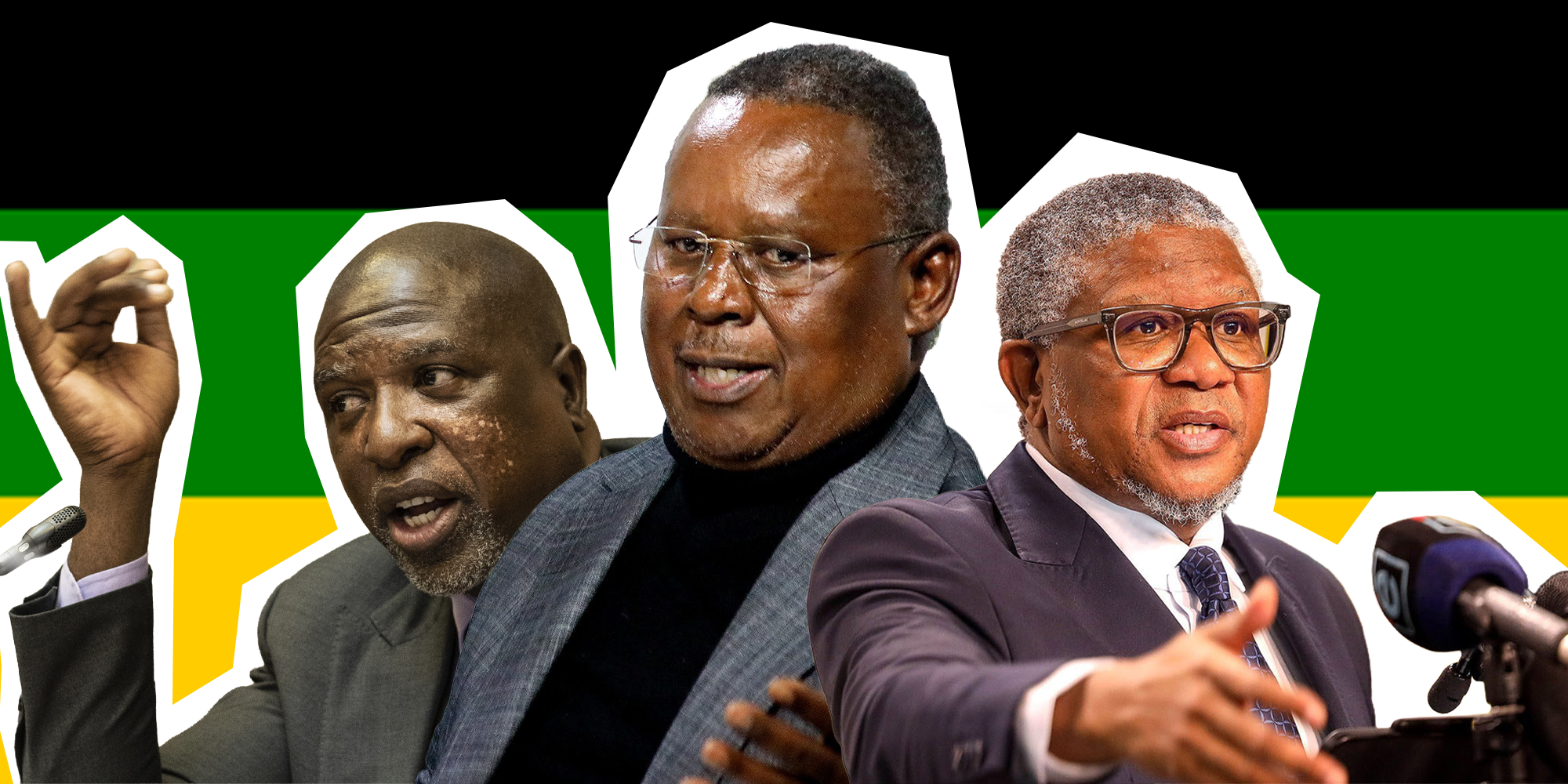
 Illustrative image (from left): Limpopo’s Soviet Lekganyane. (Gallo Images / Brenton Geach) | Reverend Frank Chikane. (Gallo Images / Fani Mahuntsi) | ANC Secretary-General Fikile Mbalula. (Gallo Images / Sharon Seretlo)
/file/attachments/orphans/Election2026LogoInarticle_260133.jpg "LGE-2026-logo-signpost")
Facing a loss of up to 1,400 candidates in the 4 November local elections, ANC power brokers in provinces and regions have scuppered reform candidates supported by the party’s national leaders.
This has led to the list fight where the party failed to register 181 councillor candidates (130 proportional representatives and 51 ward candidates). It’s a tiny percentage of total candidate submissions, but the growing crisis shows the party’s centre is not holding as it becomes increasingly federalised.
/file/attachments/orphans/ANC-candidatelist-Mbalula3_294547.jpg "Visual presentation at the media briefing on the submission of councillor candidates for the 2026 Local Government Elections at Luthuli House Media Centre on September 08, 2026 in Johannesburg, South Africa. The briefing provided an overview of the candidate submission process, and further confirm readiness to contest the upcoming local government elections. (Photo: Gallo Images / Sharon Seretlo)")
The ANC has always operated on the philosophy of democratic centralism: a strong national leadership with systems of smaller structural power for provinces and regions. This is how the party built its movement character and stayed in power for as long as it has – the ANC is Africa’s oldest liberation movement. That idea is now under assault from inside.
Centre not holding
As the ANC gets smaller, and more members are threatened with political and administrative job losses, the centre is not holding. The rate of cadre deployment into municipal administration is higher than at national level, and ANC members face significant livelihood and rent losses.
/file/attachments/orphans/Fer-ANCfederation5_513612.jpg "Reverend Frank Chikane testifies at the Khampepe Commission Of Inquiry at Sci-Bono Discovery Centre on May 19, 2026 in Johannesburg, South Africa. The inquiry was established to investigate allegations of political interference in the investigations of apartheid era crimes. (Photo: Gallo Images / Fani Mahuntsi)")
This is a key factor behind the fight that the ANC will take to the electoral court this week. As Lunga Simelane reports, the ANC will face an uphill battle as the IEC audit trail shows its systems worked and that the party’s problems emanated from its sub-national structures that did not submit names, were late or used incorrect ID numbers in 252 cases. The Eastern Cape, for example, submitted its lists to the ANC HQ 29 minutes before they were due, according to weekend reports of an internal party assessment.
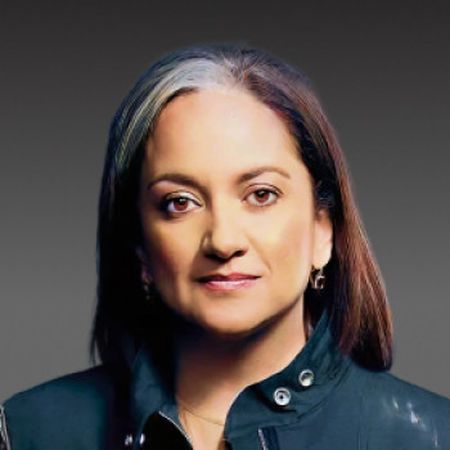
/file/dailymaverick/wp-content/uploads/2025/10/ED_579183.jpg "Soviet Lekganyane, chairperson of Parliament’s ad hoc committee inquiry into alleged corruption and political interference in the criminal justice system. (Photo: Gallo Images / Brenton Geach)")
In Gauteng, the ANC’s Joburg region failed to submit the name of the party’s big reform candidate, Reverend Frank Chikane. The veteran leader is meant to face off against the DA’s Helen Zille, the leading candidate in two sets of polls.
In Limpopo, MP and bigwig Soviet Lekganyane, a potential Polokwane mayoral candidate, was also left off the list. The two, as well as other absences, show that regional and provincial bosses will not easily accept or assimilate candidates touted as reformers by national leaders.
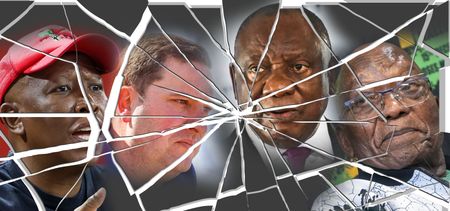
The ANC’s year of fixing local government, declared in its January 8 address, is in fact becoming its year of splintering. The party opened its selection processes to six different entry points, including public nominations, as this statement set out. The narrative was that the party would open up to the best and brightest who wanted to join and lead.
But in local fiefdoms like the Eastern Cape and Gauteng, where the ANC’s decline started to bite with losses in 2024, local leaders are fighting back. They are doing so because the taps of patronage are being turned off as the political landscape becomes more competitive (or they have to share too high a percentage of patronage profits with other parties in coalitions) and because livelihoods are at stake.
/file/attachments/orphans/ANC-candidatelist-Mbalula12_858559.jpg "ANC Ward Representatives picket outside Luthuli House during the official media briefing on submission of councillor candidates for the 2026 LGE on September 08, 2026 in Johannesburg, South Africa. The picket follows a major administrative blunder that led to the party missing the Independent Electoral Commission (IEC) registration deadline for several councillor candidates ahead of the 2026 Local Government. (Photo: Gallo Images / Sharon Seretlo)")
Councillors earn a decent salary with benefits, and they will not simply be told to give up their positions, as the ANC tried to do. One idea from the party’s powerful Electoral Commission was for new reform candidates to take up seats, which would have meant PR candidates would have to step down. There is open rebellion against this, or the new commission directorate that candidates (like Chikane) who have been left off, be elected in by-elections straight after the November poll.
The lists crisis may also reveal an early rebellion against Mbalula’s entry into the race for the party presidency. With the favourite for that role, Deputy President Paul Mashatile, so ill he can’t campaign, the secretary-general sought to make hay while the sun shines. There are numerous calls for his head now, because of how the candidate list process has been managed.
It could be a proxy battle ahead of the story of 2027, say analysts – and that story will be: who will lead the ANC? DM
Who controls ANC candidate lists?
The ANC’s 2022 constitution divides authority over elections and candidate selection between the Electoral Commission, provincial structures and the National Executive Committee (NEC). For the dispute over the candidate lists, these are the key provisions:
The Electoral Commission has explicit dispute powers. Rule 14.1.5 gives the ANC Electoral Commission the power to establish voting procedures and, crucially, to “determine any dispute raised in regard to elections and election procedures”. It can also decide how tied votes are resolved.
The commission is appointed by the NEC. The NEC appoints at least three members to the Electoral Commission. Their names are subsequently submitted to National Conference for endorsement, with provincial and league delegations adding representatives.
Provinces have a specific role in local-government candidate lists. Each provincial executive committee (PEC) must annually appoint a provincial list and candidates committee of between five and nine people. The constitution specifically gives this committee responsibility relating to the selection of candidates for local government elections.
But the province is not sovereign. The same provision says the PEC must report to the NEC and is “bound by the recommendations of the National List Committee”. That places the provincial candidate selection machinery within a national chain of authority rather than giving a region or province the final word.
The NEC sits at the top between national conferences. Rule 12.1 describes the NEC as the ANC’s “highest organ” between national conferences. It can issue instructions to provinces and “supervise and direct” the ANC and all its organs, including local government caucuses. It may also make rules and regulations for the functioning of the organisation and delegate powers to the NWC, national officials or secretary-general.
What does this mean for the Johannesburg dispute? On the constitution alone, the Johannesburg regional structure does not appear to have an unfettered final power over the ANC’s council candidate list. Provincial candidate selection structures operate under national authority, while the Electoral Commission has an express constitutional power to determine disputes concerning elections and election procedures. The NEC, meanwhile, remains the highest ANC authority between conferences.
There is an important additional layer for the 2026 election. The NEC approved separate 2026 Local Government Election candidate selection rules and mandated the Electoral Commission to administer/communicate that process. Those rules were expressly designed to restore branch participation while maintaining the party’s candidate selection machinery.
(Source: African National Congress | Gemini with editor checks.)
Comments
Scroll down to load comments...