




 Image supplied
For decades in South Africa, few words have carried a heavier stigma than impimpi. Historically used during the liberation struggle to refer to apartheid collaborators who betrayed their own communities for personal gain or survival, the term became closely associated with the ultimate betrayal. To be called an impimpi was not just an insult – it was a social and sometimes physical death sentence.
But today, we are fighting a very different war. Our enemy does not come at us with guns and handcuffs, but with bribes and kickbacks. Corruption, the cancer eating away at our democracy from within, thrives not only because people steal, but also because too many people feel they cannot safely speak out.
The language we use to describe those who speak up matters because it shapes whether society views them as protectors or traitors. So when whistle-blowers stand up to expose the theft of public funds, the looting of state resources, or the crippling of local service delivery, why do we brand them as impimpi?
Why are we using the language of our painful past to protect the corrupt individuals destroying our future?
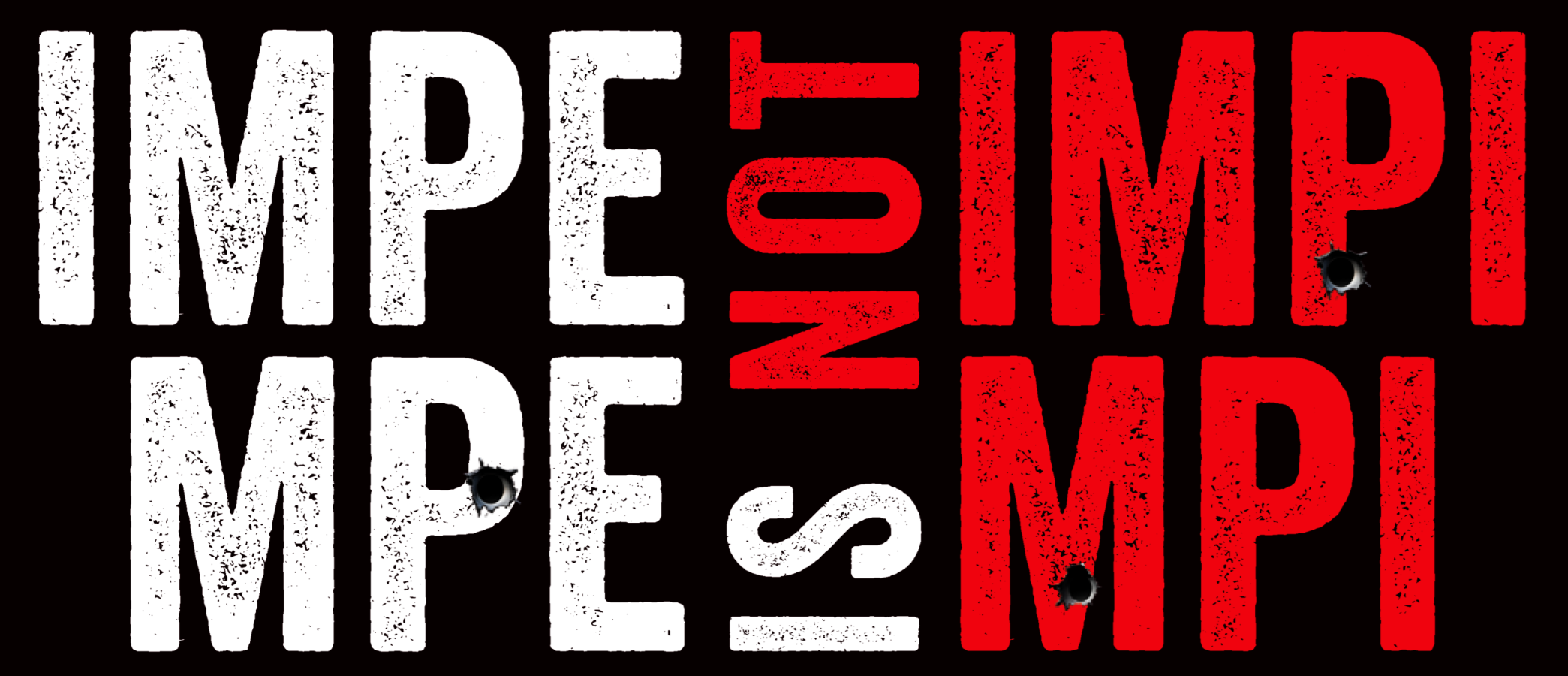
Corruption Watch’s new Impempe campaign aims to address exactly that, among other goals. Launched at the end of June, Impempe is designed to get the public thinking about who is the real impimpi (sell-out) or impempe (whistle) in the fight against corruption. The campaign also aims to de-stigmatise the act of exposing corruption while playing tribute to those who have sacrificed so much – in some cases, everything – by blowing the whistle.
Shifting the narrative: from betrayal to bravery
We should never forget why the word impimpi carries such pain. During apartheid, informers often enabled arrests, torture, and the suppression of communities fighting for freedom. That history deserves to be remembered and respected.
But honouring that past does not require us to apply the same label to people who expose corruption in defence of the public interest. Calling these individuals izimpimpi turns reality on its head, because the two are not the same.
History should also help us recognise when circumstances have changed. To meaningfully fight corruption in our country, we must change how we talk about those who speak out, and ask whether we are applying those derogatory terms to the right people.
If someone exposes corruption that harms their community, are they not protecting that community? When an employee exposes a hospital syndicate stealing money meant for life-saving medicine, or an auditor refuses to sign off on a rigged municipal tender, they are not betraying their community, but defending it. They are refusing to let the hard-won promises of our democracy be monopolised by a greedy few, while people are denied their constitutional rights.
The heavy cost of a bad label
Words have power. When we weaponise the word impimpi against people who expose corruption, we create a culture of silence and fear that discourages others from coming forward. When fewer people are willing to speak up, corruption becomes easier to hide and communities are left to live with the consequences.
But this is not simply a matter of language; it can also deflect and delay accountability. By labelling a whistle-blower an impimpi, attention shifts away from the alleged corruption and towards the motives and character of the person who spoke out. Instead of probing whether public funds were stolen or power was abused, the conversation becomes about how the whistle-blower should be punished.
Fear of social isolation, community backlash, and workplace retaliation keeps honest people quiet. When we look away or label those who speak up as ‘snitches’, we hand the victory to corruption. The money meant for housing, schools, roads, and electricity continues to vanish, and our communities wait longer for houses, patients sit in under-resourced clinics, children attend schools that never receive long-promised improvements, and municipalities struggle to deliver the most basic of services. Corruption is not only about money stolen – it is about the opportunities and dignity that people are denied.
Why speaking up matters
Whistle-blowers are not simply observers sharing stories or trying to cause trouble for other people without reason. They play a vital role in ensuring that corruption does not remain hidden. Without someone willing to expose what is happening and provide credible, firsthand evidence, many of the most serious acts of corruption would remain invisible to the public.
Thus, whistle-blowers are a crucial resource for protecting public resources. By exposing inflated contracts, rigged tenders, abuse of power, and the misuse of public funds, they provide law enforcement agencies, oversight bodies, and civil society organisations with the information needed to investigate wrongdoing, secure convictions, and, where possible, recover money that belongs to the public.
Beyond this, whistle-blowers also strengthen accountability. Their actions send a clear message that public office even at the highest levels is not beyond scrutiny, and that abuse of power can be challenged. Knowing that colleagues or members of the public may report wrongdoing may discourage corrupt behaviour before it even occurs.
Ultimately, whistle-blowing helps protect democracy itself. A society built on transparency and accountability depends on people who are willing to speak out when something is wrong – and in so doing, help safeguard the constitutional promises that all residents are entitled to.
A new culture of accountability
Reclaiming our future means redefining our words. We must stop equating those who expose corruption with betrayal and start recognising them as people acting in the public interest. Speaking up against corruption must be seen as an act of courage and active citizenship. If we want a South Africa where public resources benefit the people for whom they are intended, it is our duty and responsibility to stand behind those who have the bravery to speak truth to power.
In essence, the question is not whether the word ‘impimpi’ should exist, but whether we have forgotten who truly betrays our communities. Is it the person who exposes corruption, or the person who steals from hospitals, schools and municipalities while their neighbours suffer? If we continue to shame those who speak up, we don't just silence whistle-blowers – we silence accountability itself.
Changing our language alone will not end corruption, but changing how we view those who expose it is an important step towards building a society where integrity is valued over silence. The next time someone is labelled an impimpi for speaking up, we must shift focus from "Why did they report it?" to "Why did the corruption happen in the first place?". DM