




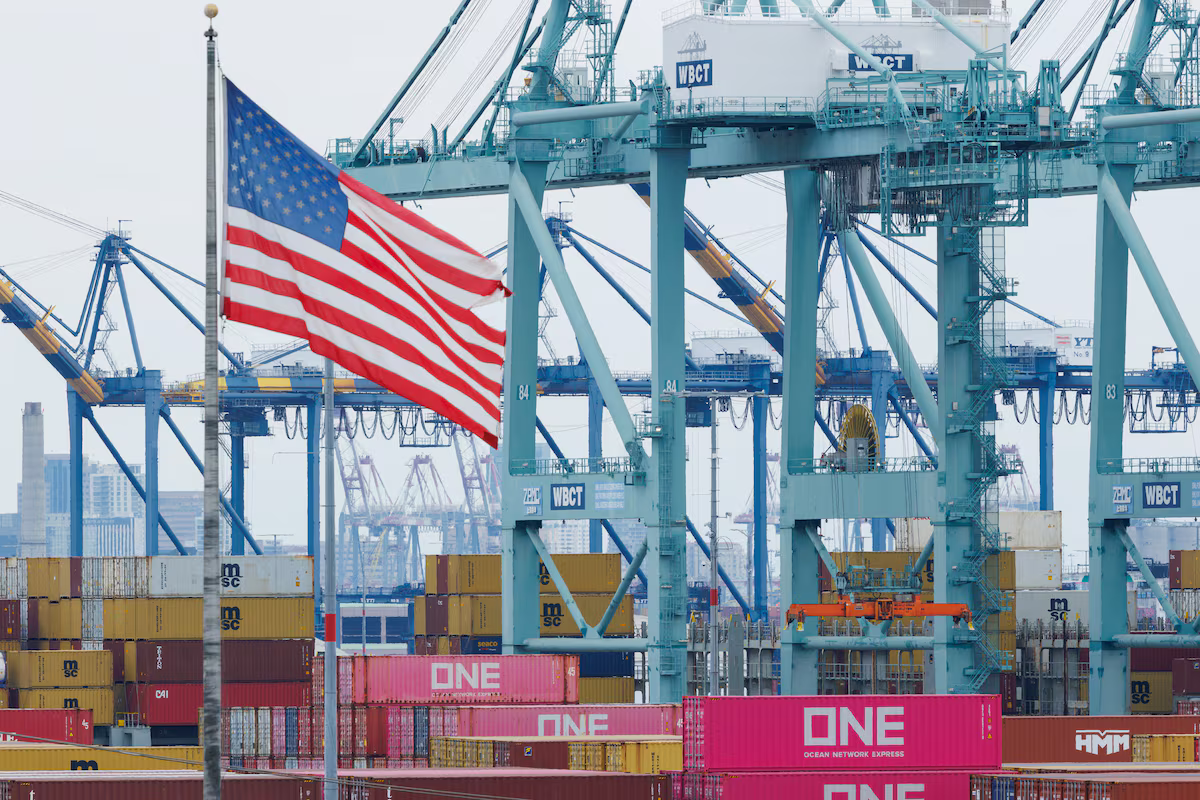
 The White House is to impose tariffs of 10% and 12.5% on 60 trading partners on Friday, 24 July. (Photo: Supplied)
The Trump administration will impose new tariffs of 10% and 12.5% on 60 trading partners on Friday, including the European Union, over allegations of lax enforcement of forced labour bans, just as a temporary 10% global tariff expires, senior administration officials said on Thursday.
The move is the latest effort by the White House to restore President Donald Trump’s campaign vision of a near-global tariff after the US Supreme Court in February struck down his “reciprocal” duties of 10% to 50% imposed last year under a national emergencies law to try to shrink the US trade deficit.
Trump responded to that ruling by imposing a temporary 10% tariff for 150 days that expires at 6.01am on Friday (04:01 GMT), invoking Section 122 of the Trade Act of 1974, a law meant to quell balance of payments crises. The new duties will take effect at that exact moment, with goods in transit exempted until 6.01am on 28 July.
A senior Trump administration official disputed suggestions that the forced labour tariffs – invoked under the 1974 law’s Section 301 – were simply a direct replacement for the expiring levies despite the timing, similar duty rates and vast coverage of nearly all US imports.
The official said the US had stronger import bans on goods made with forced labour and enforced them more rigidly than any other country, giving rivals an unfair trading advantage over the US.
Both Democrats and Republicans in Congress have been calling for the eradication of forced labour from global supply chains, “so we’re really responding to that call”.
The official said Trump would “always use the tools at his disposal to achieve his trade policy objectives, and that includes tariffs”.
The administration official said that many goods would be exempted from the duties, including oil and gas, fertiliser, certain foodstuff and goods that were already subject to Section 232 national security tariffs, such as vehicles, steel, aluminium and copper.
Other goods that comply with the US-Mexico-Canada Agreement on trade will also be exempted because of the highly integrated North American supply chain and high levels of US content in the goods.
The final Section 301 unfair trade practices tariffs largely track the forced labour duties proposed on 1 June. Goods from countries that have passed adequate anti-forced labour laws will be levied at the lower 10% rate, and imports from those with inadequate bans will be subject to the higher 12.5% rate.
Recent actions and legislation by some countries, including India, moved them to the 10% tariff rate since the duties were first proposed. DM