



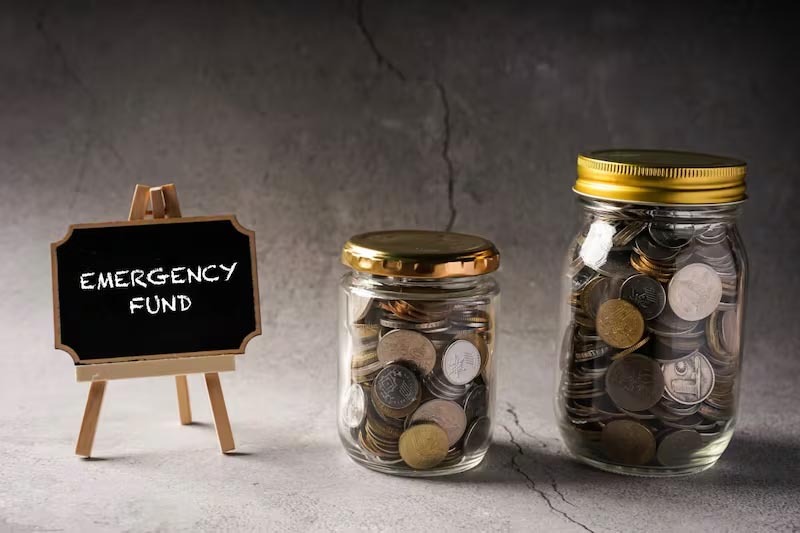
 Time to consider the three-bucket financial strategy. (Image: iStock)
 Question:
My daughter will be working out of France on a boat and earning a lot of money. Her intention is to come back to South Africa in about five years’ time. What should she do with this money she earns?
Answer:
This is a wonderful opportunity, but it also comes with a warning: the next five years could either set her up financially for decades, or disappear into a blur of expensive travel, drinks and “I deserve it” spending.
There is nothing wrong with enjoying the experience. She is young, working hard and living overseas. She should absolutely enjoy some of the rewards.
But she must understand one important truth: you will earn a finite amount of money in your life. What you do with the high-earning years makes a disproportionate difference to your future wealth. If most of this money is invested correctly, it can provide your daughter with a high level of financial freedom in her life.
For many young South Africans working abroad, this is the first time they will earn serious money. The temptation is to inflate their lifestyle immediately. The danger is not one large bad decision. It is hundreds of small decisions that quietly consume the surplus.
The first job, therefore, is not investment selection. It is behaviour design. She should decide upfront:
- How much of her income she should spend with a clear conscience;
- How much must be saved for an emergency fund; and
- How much must be invested.
The money must be moved before she has the chance to spend it. If she waits until the end of the month to save what is left, there may not be enough to save.
The emergency fund is important because working on boats can be seasonal or contract-based. She may have periods between jobs, travel costs, medical costs, visa costs, or a sudden need to come home. I would recommend at least three to six months’ living expenses available in cash. This money should not be in a volatile investment. It should sit in a safe bank account or money market-type account in the currency she will most likely need.
Once that safety buffer is in place, the real opportunity is to invest offshore. Because she will be earning offshore and may not need the money for five years, it makes sense to build an offshore investment portfolio rather than sending everything to South Africa each month. This gives her access to global shares, global bonds and offshore unit trusts. It also avoids converting everything into rands too early when her future spending needs may be uncertain.
The key is to avoid leaving all the money in offshore bank deposits. Bank deposits feel safe, but over long periods they are often poor wealth builders. Cash is useful for short-term needs, but it is not a great engine for long-term financial freedom.
From a financial planning perspective, I would suggest she divides the money into three buckets. The first bucket is short-term cash: emergency money and known expenses over the next 12 months.
The second bucket is the “return to South Africa” fund: money she may want in about five years’ time for a property deposit, car, business or settling-in costs. This should be invested cautiously to moderately, probably offshore, with a clear plan for when and how it may eventually be brought back.
The third bucket is long-term wealth: money she does not need when she returns. This can be invested in a global growth portfolio and left alone. This is the bucket that can quietly change her life.
The most powerful advice I would give her is not to let temporary income create permanent spending habits. Many people who earn well overseas come home with photographs, memories and very little capital. Others come home with the same memories, but also with a serious investment portfolio. The difference is not usually income. It is discipline.
She should enjoy France. She should travel and have fun. But she must pay her future self first. Five years of high income, invested sensibly, can become a financial springboard. Five years of uncontrolled spending becomes a good story and a missed opportunity. DM
Kenny Meiring is an independent financial adviser. Contact him on 082 856 0348 or at financialwellnesscoach.co.za. Send your questions to kenny.meiring@sfpadvice.co.za
This story first appeared in our weekly DM168 newspaper, available countrywide for R35.
/file/attachments/2994/DM-03072026-001_274340.jpg)