




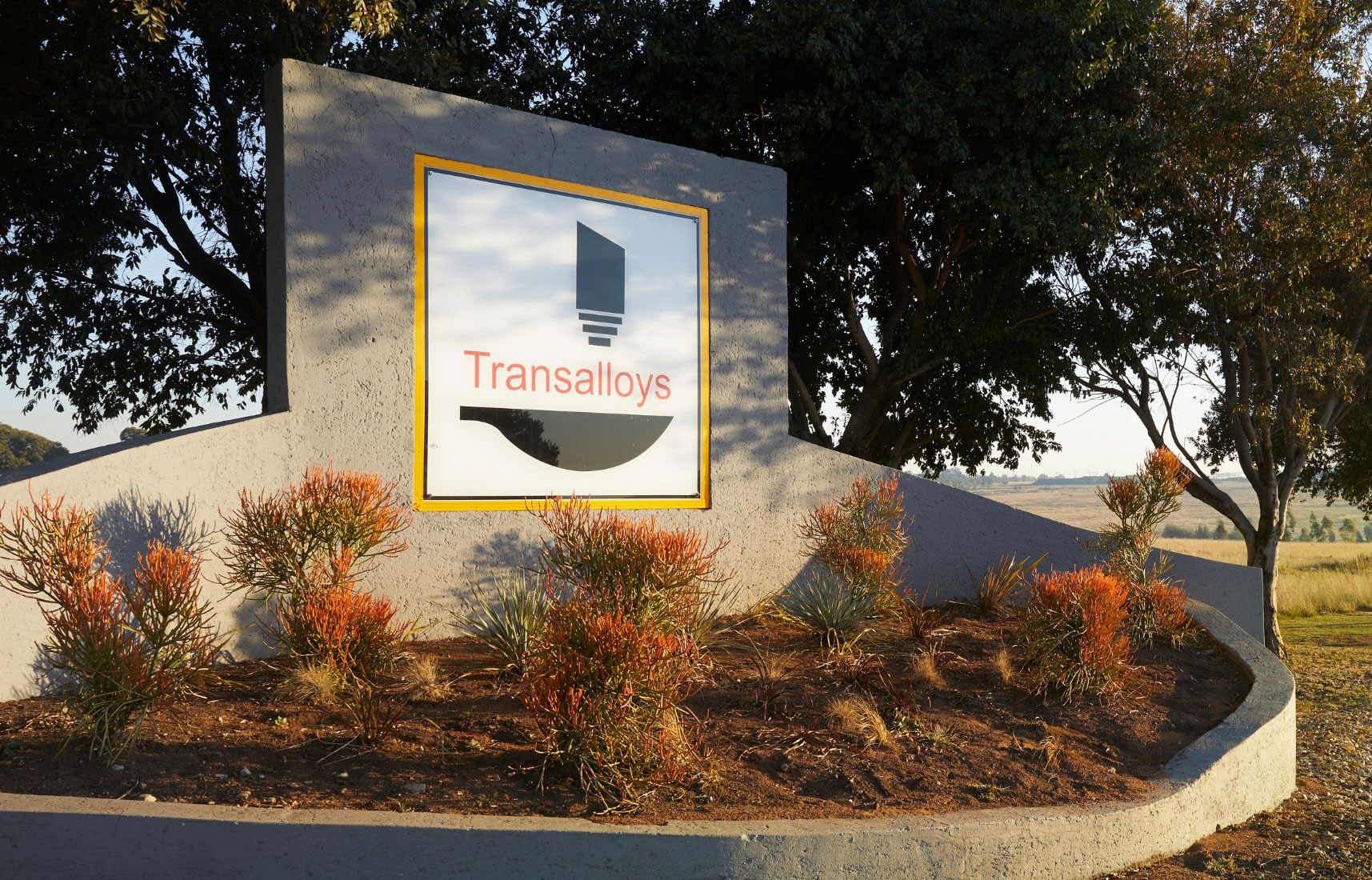
 Transalloys, South Africa’s last manganese smelter, has stopped operations amid financial distress. (Photo: Supplied)
 Despite having the most generous manganese endowment on the planet, South Africa has done a terrible job of supporting this vital pillar of the critical minerals house.
When Daily Maverick pressed Minerals and Petroleum Resources Minister Gwede Mantashe on the department’s strategy for the industry, his dismissive response was: “Why should we ringfence manganese from the other critical minerals? What about coal?”
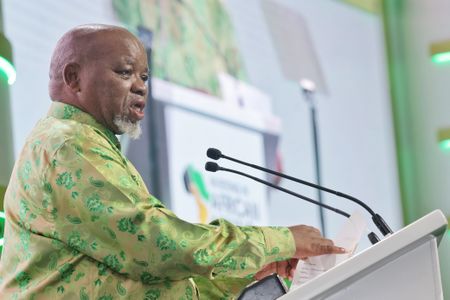
At the time — the Mining Indaba in February — Mzansi’s last standing manganese smelter, Transalloys, was in an absolute crisis. On 1 July, the extinction of this domestic manganese beneficiation capability moved from a theoretical risk to a clear and present reality. The cessation on Wednesday, 1 July, of all furnace operations at Transalloys marks a catastrophic watershed for industrial policy.
Desperate times
Transalloys’ CEO, Konstantin Sadovnik, has been very vocal about the extreme operational and financial strain that led to this shutdown, as well as the agonising decisions regarding the workforce.
“Transalloys has now reached the point where continuing to operate would simply accelerate our own collapse,” the distressed CEO said in a voice note shared with Daily Maverick.
“We have exhausted every option available to us operationally while engaging Eskom, government and the regulators... We have now had to stop our production entirely.”
While the manganese sector faces extinction, the government and Eskom actively intervened in late 2025 and early 2026 to throw a financial lifeline to the adjacent ferrochrome sector.
Under a negotiated framework, Eskom agreed to an emergency 62c/kWh tariff for ferrochrome producers Glencore-Merafe and Samancor in exchange for pausing retrenchments and bringing furnaces back online.
No such framework was offered to manganese or ferrosilicon producers. This exclusion is particularly damaging because these remaining non-ferrochrome smelters represent a mere 11% of the ferroalloys sector’s total power consumption, meaning the cost to save them is a fraction of the broader industrial subsidy.
Sadovnik warned that regulatory procrastination is killing the industry:
“Now, effectively, our destiny is in the hands of Eskom, Nersa [the National Energy Regulator of SA] and DEE [Department of Energy and Electricity] — they are to determine whether Transalloys lives or dies. Further procrastination will amount to a death sentence.”
He explained that unless there is an urgent intervention before the end of July, South Africa will lose its last manganese smelter, thousands of livelihoods and decades of industrial capability.
“Once those furnaces go cold permanently, which is near-term reality, there is no turning back.”
No more second chances
Effectively, if a sustainable tariff agreement is not implemented by 31 July, the consequences will be severe and irreversible. The business is facing the reality that 600 permanent, well-paid industrial jobs in eMalahleni will be permanently lost, affecting up to 7,000 downstream dependents.
A local investment currently valued at approximately R6-billion will be wiped out and decades of highly specialised metallurgical skills and expertise will be permanently erased from South Africa’s workforce.
“What is concerning is that it is currently at a stage where Transalloys is set to pull the plug on its operations,” said Solidarity trade union’s deputy secretary-general, Willie Venter. “It was more or less the same with Samancore and Glencore where they drew a line in the sand, and we cannot wait any longer, or we close our operations...
“The community there can ill afford another closure of this nature. So we truly hope from Solidarity’s side that the parties will escalate the urgency of the process. We have great trust in the parties to find a solution...”
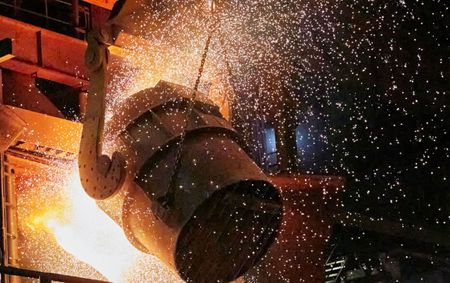
Once high-intensity furnaces go cold for an extended period, the technical and financial costs of a restart are often prohibitive. South African policymakers now face a binary choice: provide the fiscal and regulatory oxygen required for industrial evolution, or preside over a permanent, avoidable act of industrial suicide. DM
Comments
Scroll down to load comments...