




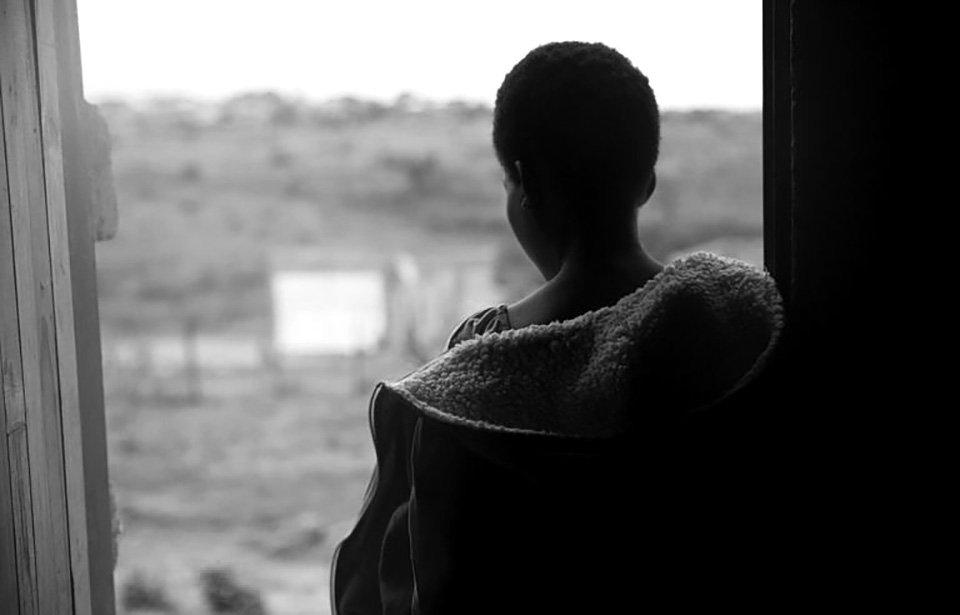
 Access to dignified, comprehensive post-rape care is not a privilege. It is a fundamental right. (Photo: bhekisisa.org / Wikipedia)
 /file/dailymaverick/wp-content/uploads/2025/10/label-Op-Ed.jpg)
The reported shortage of rape kits in parts of South Africa is incredibly alarming. It exposes a deeper problem within our gender-based violence response system: one that remains uneven, under-coordinated and marked by profound inequalities.
For survivors of rape and sexual offences, access to post-rape care is essential. This includes emergency medical treatment, HIV prevention, psychosocial support and a forensic examination. The Sexual Assault Evidence Collection Kit, commonly known as a rape kit, is a vital part of that process. Without it, one of the key mechanisms through which evidence is collected and justice pursued is placed at risk.
No survivor should have to wonder whether the healthcare facility they turn to at a time of crisis will have the basic resources required to provide adequate care. Yet reports of shortages suggest that access to these resources is still dependent on geography and circumstance. Whether someone lives in a metropolitan area or a rural community should not determine the quality or availability of the services they receive.
The shortage also highlights a broader failure in the way GBV resources are managed and procured. The availability of rape kits should never depend on the ingenuity of frontline staff or emergency workarounds. It should be guaranteed through coordinated planning, effective procurement systems and clear accountability between the departments of Health and Justice.
We are encouraged by the dedication of healthcare workers in Thuthuzela Care Centres who continue to provide services despite these challenges. Reports that some practitioners have retained back-up kits in anticipation of shortages demonstrate both their commitment and their awareness of the fragility of the system. But survivors should not have to rely on the foresight of individual professionals to access their rights.
The consequences of shortages extend beyond logistics. Survivors already face significant barriers to reporting sexual violence. Fear, stigma, shame and concerns about how they will be treated often discourage people from coming forward. Uncertainty about whether services will be available risks creating yet another barrier.
Delays in forensic examinations can compound trauma and prolong uncertainty. They can undermine confidence in institutions and deepen feelings of distress and helplessness. Survivors should not bear the emotional burden of worrying whether the systems designed to support them are adequately resourced.
Properly functioning Family Violence, Child Protection and Sexual Offences units and well-resourced Thuthuzela Care Centres are essential, particularly in communities experiencing high levels of crime and sexual offences. These specialised services represent some of the most important gains South Africa has made in responding to GBV. However, they cannot function effectively if the most basic tools required for their work are unavailable.
The shortage of rape kits should therefore be understood not as an isolated issue but as a warning sign. It reveals weaknesses in coordination and accountability that have implications far beyond a single item of equipment.
What is needed is urgent and sustained action. Government departments responsible for health, policing and justice must ensure that rape kits are consistently available across the country. Procurement and distribution systems must be coordinated and transparent. Rural and underresourced communities must receive equitable access to services. Survivor-centred care must be adequately funded and prioritised.
South Africa has repeatedly affirmed its commitment to addressing GBV. Those commitments must be reflected not only in policies and public statements, but in the everyday realities faced by survivors seeking care and justice. The availability of rape kits should not be something survivors, healthcare workers or communities have to worry about. Access to dignified, comprehensive post-rape care is not a privilege. It is a fundamental right. DM
Sino Mdunjeni is the communications coordinator and Jeanne Bodenstein is the advocacy coordinator at Rape Crisis.