




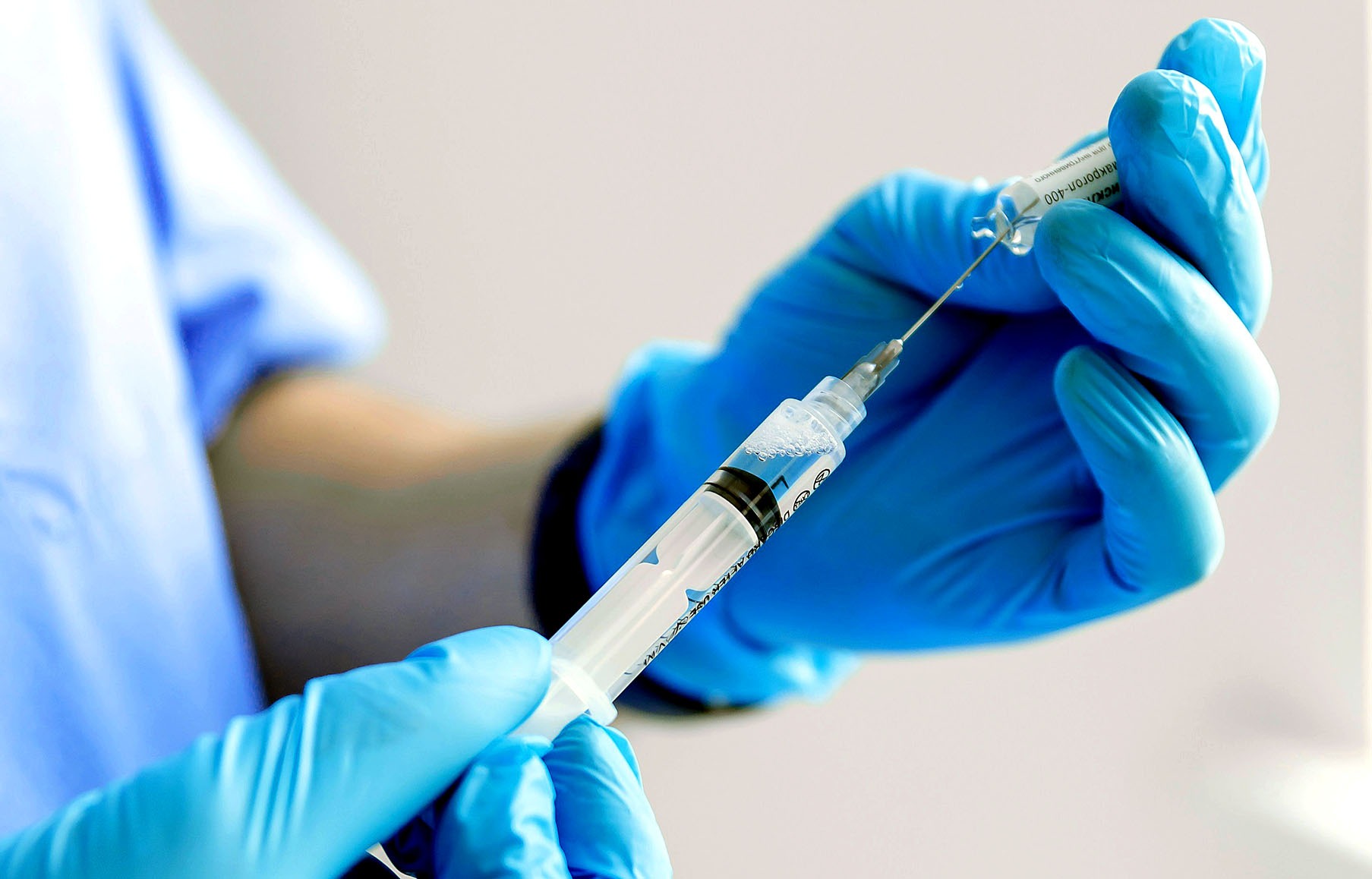
 Lenacapavir, a revolutionary injectable form of pre-exposure prophylaxis, promises nearly 100% effectiveness in preventing HIV. (Photo: Pixabay)
Over the past four decades, there have been several game-changing events in HIV treatment. The initial discovery of anti-retroviral therapy in the late 1980s, the development of effective suppressive therapy in the late 1990s, and the widespread roll-out of anti-retroviral therapy beginning in the early 2000s have transformed HIV from a fatal illness to a manageable condition for many people. These advances have dramatically improved both lifespan and quality of life for people living with HIV.
Yet, major challenges remain. Access to care is still uneven, and taking a pill a day for life can be difficult. At the same time, we have not yet been able to reach another critical milestone: preventing new HIV infections. While the number of new HIV infections has declined significantly – dropping by 57% between 2010 and 2022 – many South Africans remain at risk.
Pre-exposure prophylaxis, or PrEP, marked a major turning point in HIV prevention when it was first introduced in the 2010s. PrEP offers highly effective protection against HIV before exposure occurs. But like treatment, daily oral PrEP comes with challenges, including access, stigma, and the difficulty of taking a pill every day.
Now, a new tool is emerging in this fight.
Lenacapavir (LEN) has officially arrived in South Africa, marking a major scientific milestone with the potential to transform HIV prevention across the country. LEN is a twice-yearly injectable form of PrEP that has shown remarkable results in clinical trials, including near 100% effectiveness in preventing HIV among women and adolescent girls in SA and Uganda. By maintaining protective levels of antiretroviral medication in the bloodstream for six months at a time, it offers a powerful new way to stay protected.
Real-world effectiveness
PrEP has been available for years in pill form, but daily oral PrEP requires people at risk of HIV to take medication every day for a condition they do not have. Understandably, this can make it harder to stay consistent with doses, reducing its real-world effectiveness.
A twice-yearly injection like LEN could change that. Therefore, it is no surprise that it has already generated enormous excitement and is being widely hailed as a historic breakthrough in the fight to end HIV.
However, history shows that success in clinical trials does not always translate into real-world impact. While much of the discussion around barriers to LEN uptake in SA has centred on equity, access and reach, availability alone is not enough to prevent new infections. We learned this lesson during the rollout of Covid-19 vaccinations – having an effective tool does not guarantee that people can and will use it.
To ensure that innovations like LEN achieve their full public health potential, we need to understand the human side of prevention. People are more likely to take medication when it aligns with their beliefs, their understanding of risk, and the realities of their daily lives. If we want this breakthrough to have real impact, we need to look closely at the behavioural factors that shape decisions around HIV prevention.
So, what does that look like in practice?
SA’s history has shaped how people engage with healthcare today. Under apartheid, healthcare was segregated and under-resourced for black South Africans, often marked by poor treatment, limited access and lack of respectful care. These experiences, reinforced by ongoing gaps in access and quality, have left many communities feeling overlooked and misunderstood. In this context, scepticism toward new medications is not surprising, it is grounded in lived experience.
Is it safe?
When a new prevention tool like LEN is introduced, people naturally have questions: Is it safe? What are the side effects? Am I being “experimented on”? For individuals and communities that have experienced inconsistent care or felt dismissed and neglected by the health system, these concerns carry even more weight.
They are further amplified when people don’t fully understand how the medication works, or doubt that it will actually protect them. Together, these factors can make it difficult for even highly effective innovations to gain traction.
At the same time, many people do not see themselves at risk for HIV, even when they are. This is especially true among women, young people, men who have sex with men, and those in long-term relationships where trust in a partner can create a false sense of security. One study, for example, found that only 38% of high-risk men who have sex with men believed themselves to be at moderate-to-high risk, meaning that most did not recognise their own vulnerability.
LEN may simplify adherence, but that benefit matters little if people don’t feel the need to take it in the first place.
Stigma remains another powerful barrier. HIV prevention is still closely tied to assumptions about HIV status and sexual behaviour. Taking PrEP can lead to judgment, whether for being perceived as HIV-positive or as engaging in behaviour seen as socially unacceptable, like promiscuity or drug use. Because PrEP medications look similar to those used for HIV treatment, users are vulnerable to the same judgements. And, in many settings, accessing healthcare is rarely truly private. Even a twice-yearly clinic visit can expose one to gossip or scrutiny, making avoidance feel safer than prevention.
These patterns are familiar. Even life-saving treatments like anti-retroviral therapy still face challenges with long-term adherence, and prevention tools – whether condoms or oral PrEP – are not used consistently, despite widespread availability. If taking medication to stay alive is difficult, it’s no surprise that prevention, often seen as less urgent, faces even greater barriers.
So, what can we do to overcome these barriers and ensure that LEN delivers on its promise?
First, we need to rethink how we talk about HIV risk. Public health messaging needs to move beyond general awareness and speak directly to people’s lived experiences. Many individuals who would benefit from prevention do not see themselves as “at risk”, particularly within long-term relationships or everyday social contexts. Prevention needs to be normalised, not as something for “other people” but as part of routine health. This means moving away from abstract statistics and fear-based messaging, and toward relatable stories, real-life scenarios, and trusted peer voices.
A routine and empowering form of self-care
Second, LEN should be framed not as a response to risk or wrongdoing, but as a routine and empowering form of self-care. Integrating injectable PrEP into broader sexual and reproductive health services – such as contraception, family planning, STI screening, and youth-friendly clinics – can help make prevention feel like a standard part of looking after one’s health, rather than something separate or stigmatised.
Importantly, LEN shifts the challenge from daily pill-taking to something different: staying connected to care over time. A twice-yearly injection may reduce the burden of daily adherence, but it still requires people to return to clinics, maintain relationships with providers, and feel comfortable engaging with the health system. This makes trust, accessibility and continuity of care more important than ever.
That is why clear, transparent, community-led education is essential. People need straightforward information about how the medication works, its safety, possible side effects, and what happens if follow-up injections are delayed. This information is most effective when it comes from trusted sources, such as community health workers, peer educators, or local organisations. At the same time, healthcare providers must be equipped not only with clinical knowledge, but with the skills to communicate in ways that are non-judgemental, respectful, and responsive to the needs of young people and marginalised communities.
LEN has the potential to reshape HIV prevention in SA. But its success will not depend on efficacy alone. What matters just as much is whether people feel informed, respected and willing to stay engaged in care over time.
Looking ahead, LEN may also signal a broader shift in HIV treatment. Early research suggests that long-acting treatment plans can help people with well-controlled HIV stay healthy with less frequent dosing. This raises the possibility of easier and less burdensome long-term treatment options for people living with HIV. If ongoing trials continue to deliver promising results, the same innovation now reshaping prevention may soon simplify treatment too.
Ultimately, the lesson is clear: If LEN is to make a meaningful difference, equal attention must be paid to ensuring people understand it, trust it, feel its relevant to them, and feel able to use it within the realities of their daily lives.
If they fail to consider the critical influence of human behaviour, even the most promising innovations are unlikely to deliver the meaningful change they promise. DM
Lucy Wagner is an MA Research Psychology candidate and Content Administrator at the UCT Centre for Behavioural Medicine. Prof John Joska is Head of Clinical Services (psychiatry) at Groote Schuur Hospital and Director of the Centre for Behavioural Medicine. Dr Amelia Stanton is a clinical psychologist and assistant professor in the Department of Psychological & Brain Sciences at Boston University. Devisi Ashar is a research technician in the Department of Psychological & Brain Sciences at Boston University. A/Prof Stephan Rabie is a psychologist and Chief Research Officer at the Centre for Behavioural Medicine.
Comments
Scroll down to load comments...