



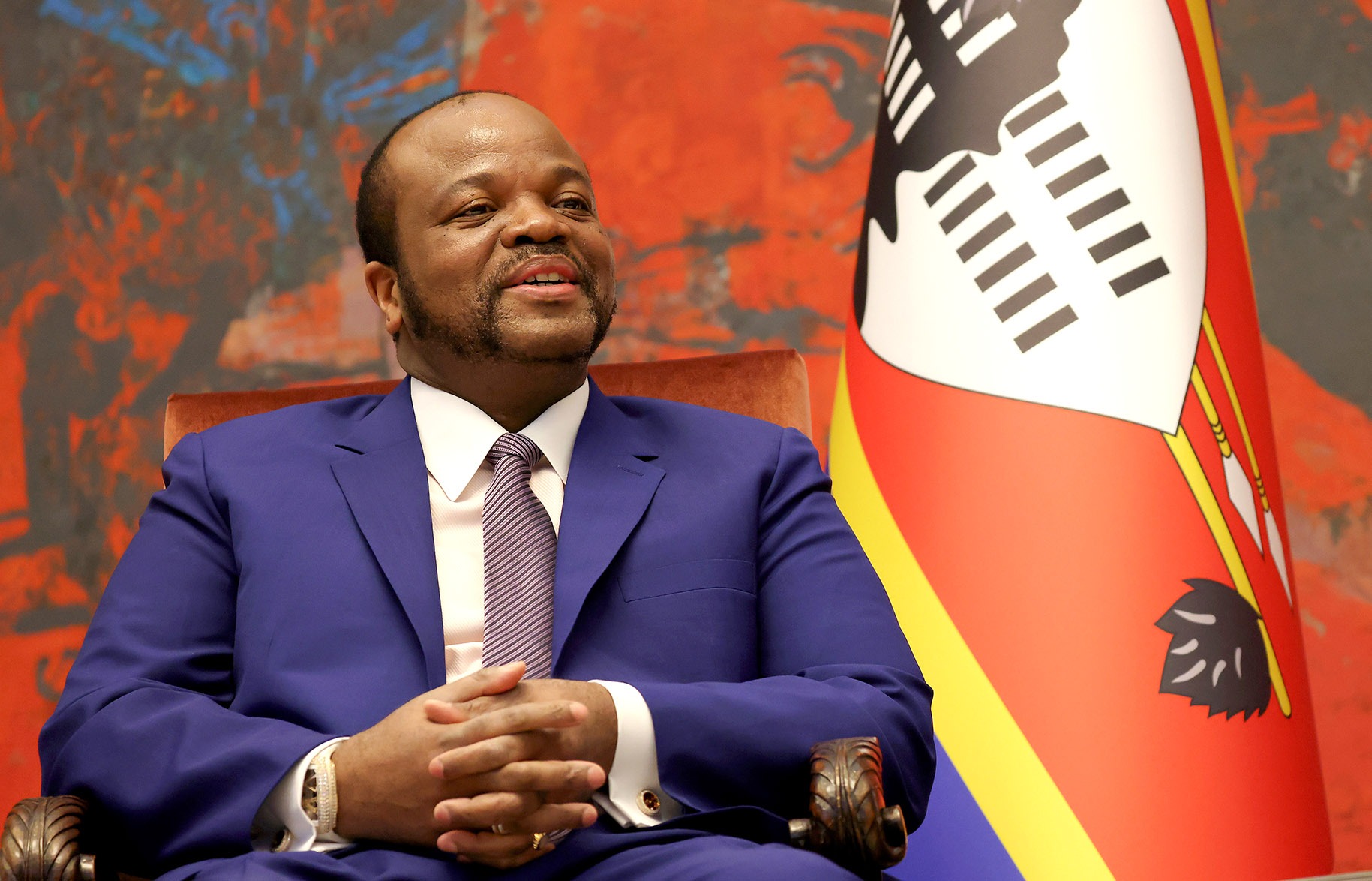
 King Mswati III of Eswatini. (Photo: EPA / Andrej Cukic)
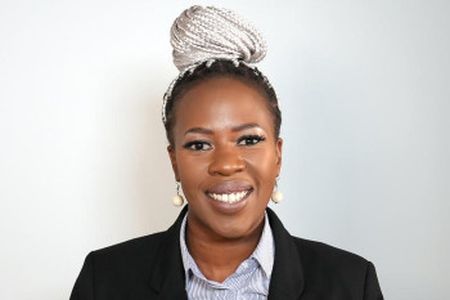
In Eswatini’s second biggest city of Manzini, Sisanda Mavimbela is once again preparing for court.
As the Co-Director of Programmes and Advocacy for Eswatini Sexual and Gender Minorities (ESGM), a group which works to advance LGBTI rights, Sisanda has become all too familiar with the ritual of gathering documents, revisiting judgments, speaking to lawyers and asking the courts, again, to affirm what should never have been in dispute: that everyone has a right to freedom of association.
ESGM has been fighting in the courts for this constitutional right since 2019, when its application to register as a non-profit organisation was first rejected. After challenging the decision in the high court, ESGM eventually secured a landmark Supreme Court ruling in 2023 which declared that the registrar’s approach was unconstitutional and ordered the relevant minister to reconsider the application.
In his reconsideration, the minister of commerce, industry and trade in September 2024 declined ESGM’s application on the basis that Swazi “customary law does not recognise same-sex relationships”.
In August 2025, ESGM again approached the courts challenging the minister’s grounds for rejecting its application. The matter is still before the courts, but ESGM has made it clear that it has no intention of backing down.
Under international human rights law, the right to freedom of association guarantees the rights of all individuals, without discrimination, to form associations and to jointly carry out activities or pursue common goals. Restricting this right is a repressive tactic that undermines human rights in general and, in this case, with a discriminatory impact. The government in Eswatini has used such tactics to restrict civil society organisations which play a vital role in scrutinising state power, documenting abuses, and mobilising public debate.
Keeping LGBTI rights in the spotlight
In Eswatini, the struggle for LGBTI rights is also a struggle for civic freedom. As the government intensifies its attacks on civic space, LGBTI groups are once again being presented as a threat to culture and national identity. King Mswati III and other senior officials have repeatedly denounced LGBTI people in the name of preserving “Swazi culture”.
In his address at an Easter prayer gathering earlier this year, King Mswati made it clear that LGBTI people have no place in Eswatini under his reign. This echoed earlier sentiments by the Swazi minister of education calling for LGBTI children to be expelled from schools.
Despite spending so many years in court, ESGM is intent on pursuing further litigation, recognising the significance of its case for jurisprudence in a country that still has a long way to go in promoting and protecting LGBTI rights. ESGM believes it is the only way to continue to challenge systems, shape public debate, and gradually change the law. For ESGM, continuous litigation forces courts, the government and the public to keep engaging with the conversation on LGBTI rights, which would otherwise be ignored in Eswatini.
The refusal to recognise ESGM as a legitimate civil society organisation is part of a wider crackdown on civic space in Eswatini, where the government is increasingly restricting the establishment and operation of NGOs.
In 2024, Eswatini introduced a Non-Profit Organisations (NPO) Bill, which local organisations have said “severely undermines the ability of Eswatini human rights defenders and civil society organisations to organise themselves and operate freely and independently in the defence of human rights”. This is in addition to repressive laws which are used to silence people who dare to dissent.
A guaranteed right
The right to freedom of association is guaranteed under Article 10 of the African Charter, and the African Commission has made it clear that national constitutions must guarantee this right. The African Commission has called for the drafting of national laws that facilitate and encourage the establishment of associations and promote their ability to pursue their objectives.
Courts elsewhere in Africa have already affirmed these principles. In Botswana the courts confirmed that “all persons, whatever their sexual orientation, enjoy an equal right to form associations with lawful objectives for the protection and advancement of their interests”. In Kenya, the Supreme Court held that LGBTI organisations are entitled to register despite the criminalisation of LGBTI persons in the country.
When governments decide which people deserve the right to organise, civic freedom itself is under threat. ESGM’s struggle is therefore not only an LGBTI issue — it is about governments consolidating power and weakening accountability by attacking civic space and targeting marginalised groups.
Through ESGM’s case, the court has an opportunity to give life to the right to freedom of association entrenched in Eswatini’s constitution – and demonstrate that this is a human right to be enjoyed by everyone. DM
Khanyo Farisè is a Regional Civic Space Researcher at Amnesty International.
/file/attachments/2993/unnamed-2_396617.jpg)
Comments
Scroll down to load comments...